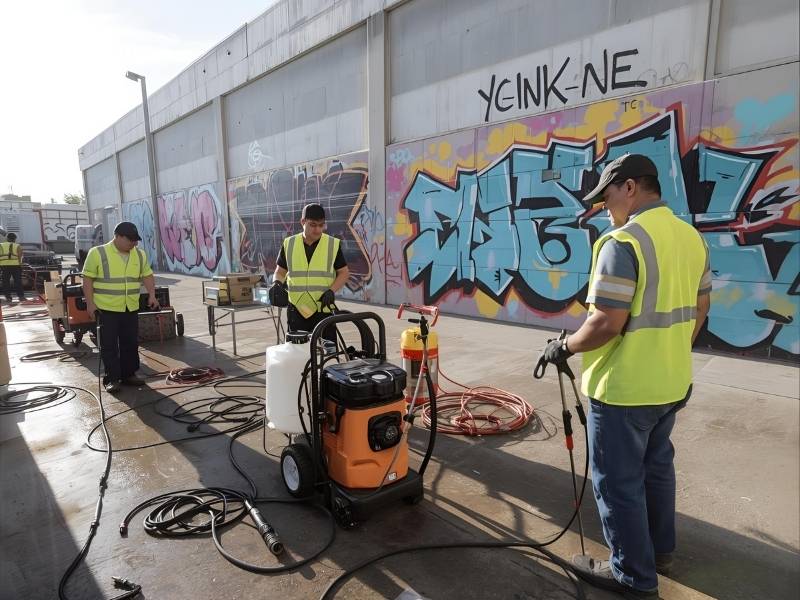
When dealing with pigeon guano cleanup, understanding what personal protective equipment is essential can mean the difference between a safe job and serious health risks. Each pigeon produces up to 12 kilograms of droppings per year, meaning large infestations create substantial accumulations that significantly increase exposure risk during cleaning operations.
🐦 £250M Annual UK Market Opportunity
Learn safe pigeon guano removal - 60+ transmissible diseases require expert handling
☣️ Biohazard Classification
🏆 CPD Certified
⚡ 50% Faster Completion
📈 High Demand
Join Our Pigeon Guano Removal Course
Legally required training for hazardous waste handling
Understanding the Health Risks
Pigeon droppings pose multiple health hazards that make protective equipment absolutely crucial. The dried droppings can crumble into fine powder that becomes airborne during cleaning, containing harmful pathogens and bacteria that can cause respiratory issues and bacterial infections. Many people ask, is pigeon poop a health hazard in the UK, and the answer is yes, which is why strict safety measures are advised.
Workers without proper protective equipment are up to 5 times more likely to experience flu-like symptoms after cleaning pigeon waste. The cleaning process itself can generate dust and airborne particles, making respiratory protective equipment particularly important for anyone involved in guano removal.
Bird droppings contain harmful substances including bacteria, fungi, and other diseases that can affect people with weakened immune systems more severely. The substances hazardous to health found in pigeon guano make proper precautions not just recommended but often legally required for professional cleaning operations.
Essential Respiratory Protection
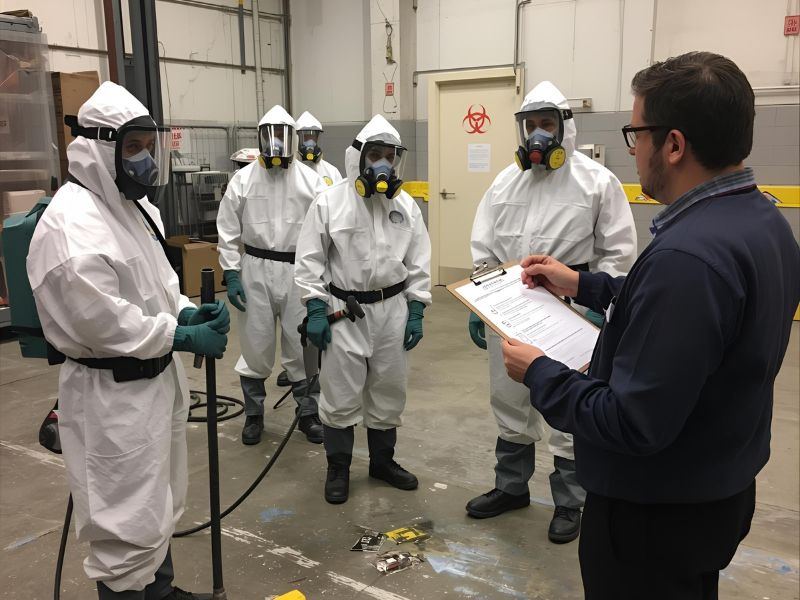
Respiratory protective equipment forms the cornerstone of safe pigeon droppings cleanup. A half face respirator with appropriate filters provides essential protection against inhaling spores and airborne dust generated during the cleaning process.
Cleaning teams report that around 70% of guano jobs require full protective equipment kits including masks due to the amount of dust generated. The respiratory risks from cleaning pigeon guano are significant enough that many professionals won't begin work without proper breathing protection.
When selecting respiratory protection, ensure the equipment meets safety regulations and provides adequate filtration for the job at hand. The air quality during pigeon waste removal can deteriorate rapidly, making quality respiratory protection non-negotiable for worker safety.
Protective Clothing Requirements
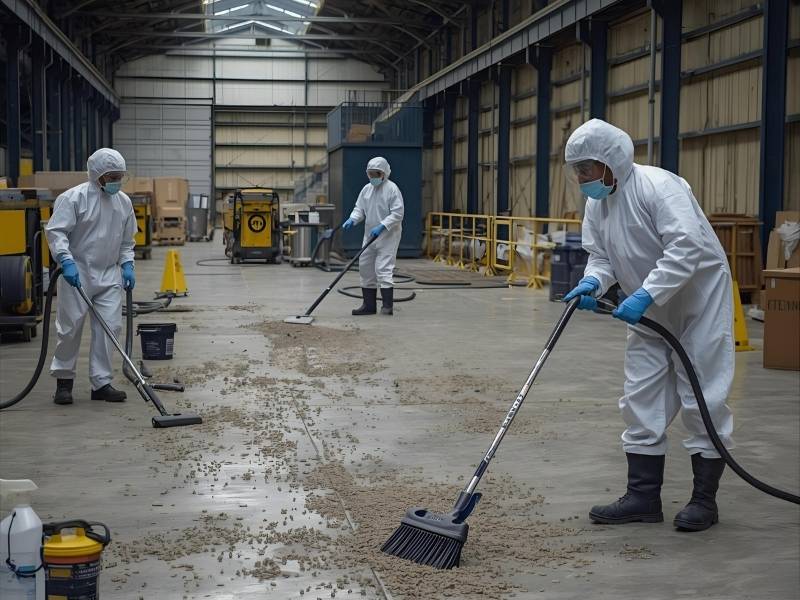
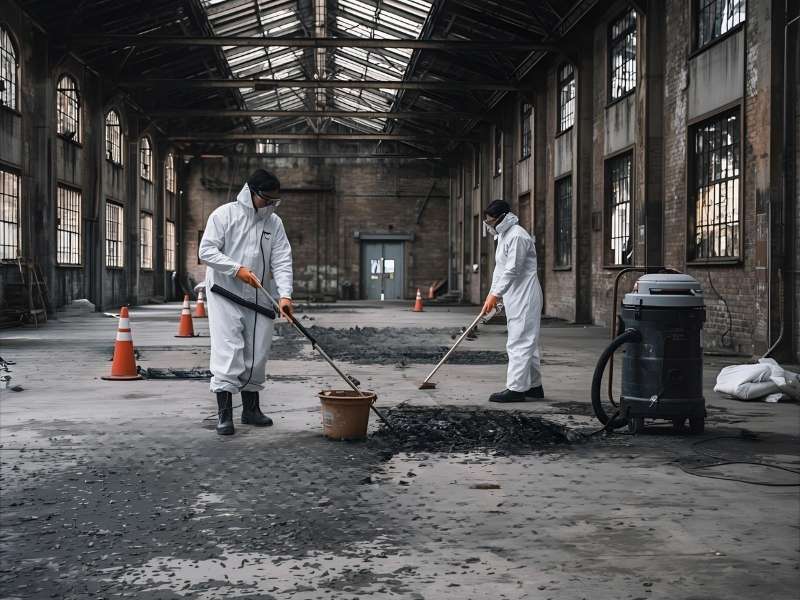
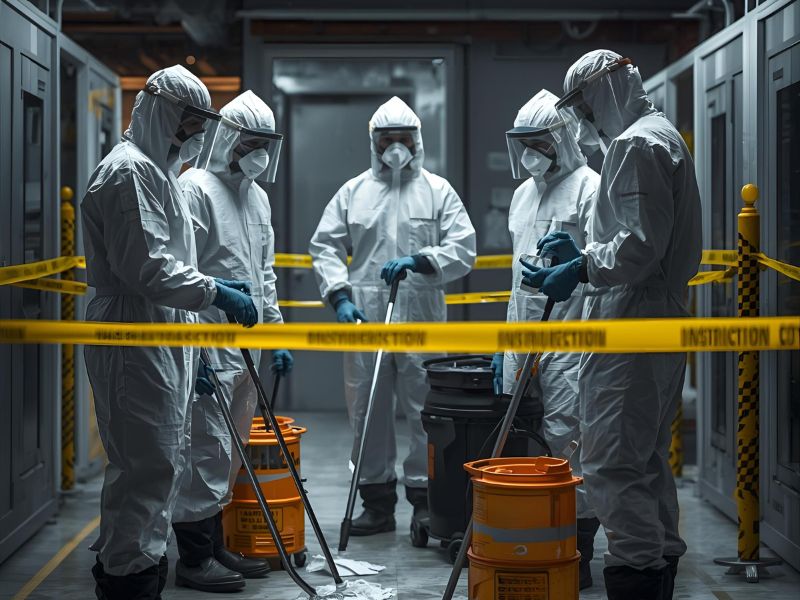
Disposable coveralls represent the gold standard for protecting against direct contact with pigeon droppings. These protective clothing items are designed to be discarded after use, preventing contamination from being carried to other locations.
Disposable coveralls are commonly used because pigeon guano can cling to fibres and shoes, meaning cleaners could carry contamination home without realising. The appropriate PPE for tasks involving bird droppings always includes full-body coverage to minimise exposure risk.
Regular clothing offers insufficient protection during guano cleaning operations. The protective equipment needed extends beyond basic coveralls to include items that can handle the specific challenges of cleaning pigeon guano effectively while maintaining worker safety.
Hand and Eye Protection
Gloves form an essential component of personal protective equipment for any cleaning process involving bird droppings. Quality gloves protect against direct contact with harmful pathogens while providing the dexterity needed for effective cleaning work.
The uric acid in pigeon waste can damage skin over time if exposed regularly, making gloves essential not only for hygiene but also for preventing long-term skin damage. Eye protection is often overlooked, yet splashes are common during wet cleaning or when using high pressure washers.
Safety concerns extend to protecting all exposed areas, including eyes and face. Goggles or face shields become particularly important when water or cleaning agents are involved, as these can cause guano waste to splash unexpectedly.
Chemical Protection Considerations
When cleaning agents are used alongside water for effective guano removal, chemical-resistant protective equipment becomes necessary. Some cleaning solutions can create additional safety risks if they come into contact with skin or eyes.
The combination of pigeon poop and harsh cleaning chemicals can create slip hazards and other safety risks during the cleaning process. Workers must protect against both the biological hazards from droppings and the chemical hazards from cleaning products.
Understanding local regulations regarding chemical use in biohazard cleaning helps ensure compliance while maintaining safety standards. The protective equipment must be suitable for both the biological and chemical hazards present during professional cleaning operations.
Site-Specific Safety Requirements
Different cleaning environments require varying levels of protective equipment. Large amounts of accumulated guano may require additional safety measures beyond basic personal protective equipment ppe, raising common questions such as what precautions should be taken when cleaning bird poop?
Building materials and potential nesting sites can complicate cleaning operations, requiring specialised equipment and additional precautions. The job requirements often dictate whether standard or enhanced protective equipment is needed for safe completion.
Rest breaks become important during extended cleaning sessions, particularly when wearing full protective equipment in warm conditions. Proper planning ensures workers can maintain safety standards throughout the entire cleaning process.
Professional vs DIY Considerations
While DIY removal might seem cost-effective, pigeon droppings are officially classed as hazardous waste when cleaned in large quantities, making professional equipment and expertise often necessary. Professional cleaners understand how to generate dust safely and manage the associated health risks.
Surveys of UK facilities managers suggest over 60% of commercial properties in city centres deal with pigeon guano at least once a year, highlighting why proper protective equipment is a recurring need rather than a one-time consideration.
Professional cleaning teams have access to commercial-grade protective equipment and understand the specific requirements for different types of pigeon waste cleanup situations. They also know how to dispose of contaminated materials safely and in compliance with regulations.
🐦 £250M Annual UK Market Opportunity
Learn safe pigeon guano removal - 60+ transmissible diseases require expert handling
☣️ Biohazard Classification
🏆 CPD Certified
⚡ 50% Faster Completion
📈 High Demand
Join Our Pigeon Guano Removal Course
Legally required training for hazardous waste handling
Equipment Disposal and Decontamination
Proper disposal of used protective equipment is as important as wearing it correctly. Disposable items must be treated as contaminated waste and disposed of according to local regulations for hazardous materials.
The cleaning process generates contaminated materials that require careful handling. Workers must know how to remove protective equipment without contaminating themselves and how to dispose of items safely.
Decontamination procedures for reusable items need careful consideration. Some protective equipment can be cleaned and reused, while other items are designed for single-use only to prevent cross-contamination.
Cost vs Risk Analysis
PPE costs are minor compared to the risks involved in unprotected exposure to pigeon droppings. A complete disposable kit can cost less than 1% of the overall cleaning project, yet it prevents potentially serious health issues that could result in significant medical costs.
The economic argument for proper protective equipment becomes clear when considering the potential costs of health problems, lost work time, and legal liability. Investment in quality protective equipment pays for itself through risk reduction.
Property damage from inadequate cleaning or health issues from poor protection can far exceed the cost of proper equipment. The well being of workers and the quality of cleaning results both depend on using appropriate protective equipment.
Legal and Regulatory Compliance
Safety regulations require proper protective equipment for commercial pigeon guano cleaning operations. Understanding these requirements helps ensure compliance and protects both workers and employers from legal liability.
Local regulations may specify particular types of protective equipment for biohazard cleaning operations. Professional cleaning services must stay current with these requirements to operate legally and safely.
Documentation of proper equipment use and disposal may be required for compliance purposes. Keeping records demonstrates due diligence in protecting worker safety and environmental health.
When to Seek Professional Help
Large-scale pigeon infestations often require professional intervention due to the volume of waste and the associated health risks. Professional services have the proper equipment, training, and disposal capabilities to handle extensive contamination safely.
Other birds and other pests may complicate DIY cleaning efforts, making professional assessment valuable. Professionals can identify additional hazards and ensure comprehensive cleanup while maintaining safety standards.
Complex situations involving building access, height work, or extensive contamination benefit from professional expertise. The safety risks and equipment requirements often make professional services the most practical option.
🐦 £250M Annual UK Market Opportunity
Learn safe pigeon guano removal - 60+ transmissible diseases require expert handling
☣️ Biohazard Classification
🏆 CPD Certified
⚡ 50% Faster Completion
📈 High Demand
Join Our Pigeon Guano Removal Course
Legally required training for hazardous waste handling
Protecting Against Future Infestations
Effective guano removal includes measures to prevent future accumulation. This may involve installing deterrents or modifying structures to eliminate potential nesting sites and reduce the need for repeated cleaning operations.
Understanding pigeon behaviour helps in developing long-term solutions that reduce the frequency of cleaning requirements. Prevention strategies can significantly reduce ongoing exposure risks and cleaning costs.
Regular inspection and maintenance help identify new infestations before they become major problems requiring extensive protective equipment and cleanup efforts.
We understand the complexities involved in safe pigeon guano cleanup and the importance of proper protective equipment. For professional assessment and cleanup services that prioritise safety and compliance, contact Biohazard Cleaning Courses for a free quote. Our experienced team can evaluate your specific situation and provide the expertise needed to ensure safe, thorough cleanup while protecting the health of everyone involved.