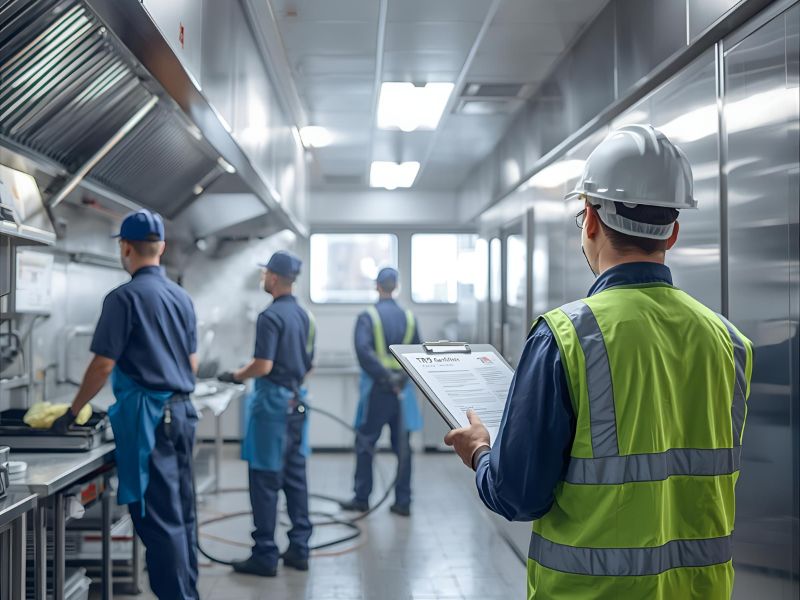
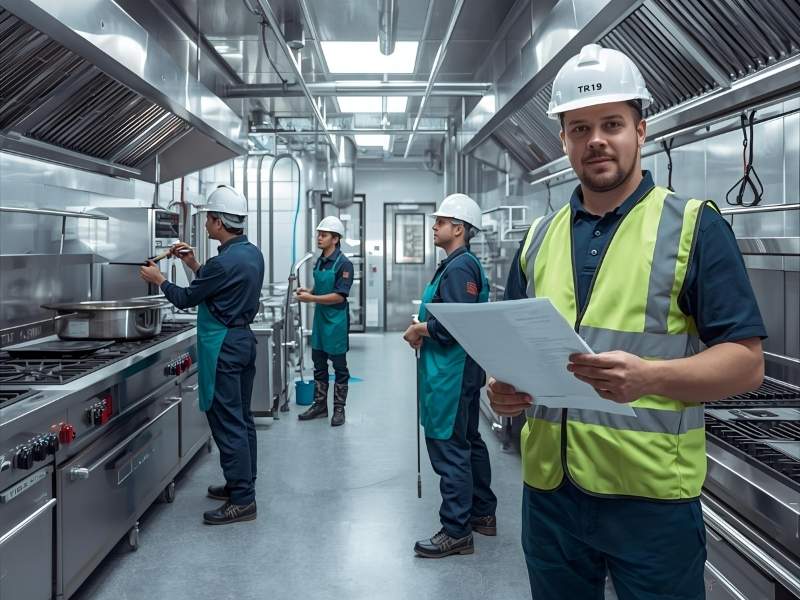
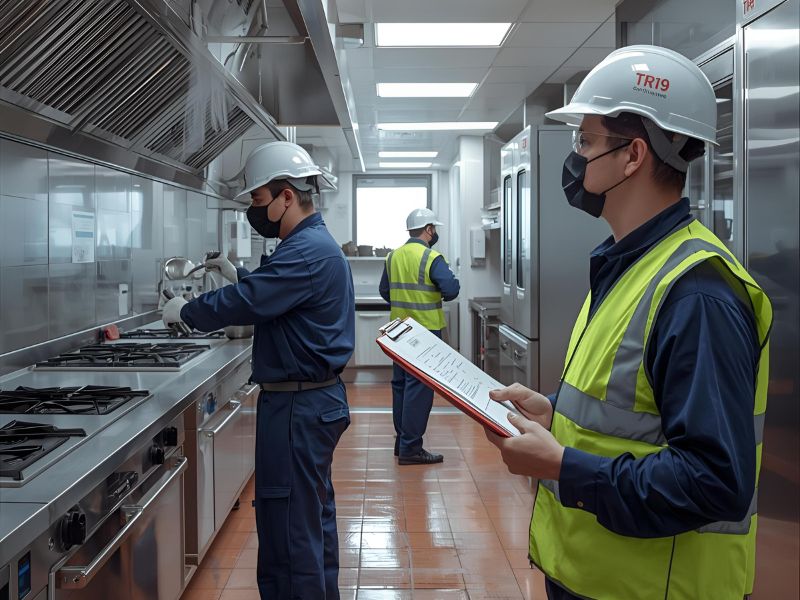
Running a commercial kitchen without proper certification can cost your business thousands in fines, insurance claims, and potential closure. A single kitchen fire caused by uncleaned extraction systems can cost tens of thousands of pounds, compared to a few hundred pounds for preventative TR19 cleaning.
Most insurers now demand a valid certificate - without one, a claim for fire damage could be instantly rejected. We'll break down everything you need to know about TR19 compliance, from understanding what it covers to budgeting for the costs involved.
Understanding TR19 Standards and Certification Requirements
TR19 stands as the UK's leading standard for ventilation system hygiene, created by the Building Engineering Services Association (BESA). This comprehensive framework sets out exactly how kitchen extraction systems and commercial kitchen ductwork should be cleaned and maintained to ensure optimal performance and safety.
The standard covers multiple aspects of ventilation systems maintenance, including specific cleaning methods, frequency requirements, and documentation procedures. Commercial kitchens must demonstrate compliance through regular inspections and maintenance schedules that align with TR19 guidelines.
What makes TR19 particularly important is its focus on fire safety. Grease build-up in kitchen extraction systems represents one of the leading causes of commercial kitchen fires. The standard provides detailed specifications for removing these deposits and maintaining clean ductwork throughout the entire system.
The certification process involves thorough assessment of your ventilation hygiene practices, ensuring that all components meet the required safety standards. This includes evaluation of your cleaning process, documentation systems, and ongoing maintenance protocols.
The Critical Importance of TR19 Compliance for Commercial Kitchens
Fire risk management becomes significantly more effective when businesses maintain proper TR19 compliance. Commercial kitchen settings face constant exposure to grease deposits and heat, creating potentially dangerous conditions without adequate maintenance.
Insurance requirements have evolved to reflect the critical importance of these standards. Many insurance providers now require proof of compliance before they will cover a commercial kitchen against fire risks. This shift recognises the direct correlation between proper maintenance and reduced fire risk.
Legal and insurance requirements extend beyond basic coverage considerations. Businesses operating without valid certificates risk fines, loss of insurance cover, and potential closure in the event of a fire or hygiene inspection. The Building Engineering Services Association has documented numerous cases where non-compliance led to severe financial consequences.
Health and safety standards also tie directly into TR19 compliance. Poor air quality resulting from inadequate ventilation systems can affect both staff and customers, potentially leading to health risks that extend far beyond fire safety concerns.
💼 4 in 5 Cleaners Have No Training
Get certified, get paid more, win better commercial contracts
📊 Stand Out From 80%
💰 Higher Rates
🏆 Better Contracts
📈 Professional Edge
Start Our Commercial Cleaning Courses
Professional training sets you apart
Kitchen Extraction Systems and Ventilation Requirements
Commercial kitchen extract systems require specialised attention due to their complex design and critical safety function. These systems must remove heat, steam, grease particles, and cooking odours while maintaining proper air quality throughout the entire building.
Testing commercial ventilation systems involves comprehensive evaluation of airflow rates, filter efficiency, and ductwork cleanliness. Professional technicians assess whether systems meet performance standards and identify areas requiring immediate attention.
The complexity of kitchen ventilation systems means that different components require varying maintenance approaches. From extraction hoods to main ductwork runs, each element must be cleaned using approved methods that align with TR19 standards.
Ductwork length significantly impacts both cleaning requirements and associated costs. Longer systems with multiple bends and connections require more extensive cleaning procedures and additional time to complete properly.
Access and Cleaning Methods for Commercial Ductwork
Cleaning commercial kitchen ductwork requires specialised equipment and techniques designed to remove grease buildup effectively. Professional service providers use various approved methods depending on the system configuration and contamination levels.
Steam cleaning represents one of the most effective approaches for removing stubborn grease deposits. This method penetrates deep into ductwork surfaces, breaking down accumulated materials that standard cleaning cannot address.
Access considerations play a major role in determining the most appropriate cleaning methods. Some systems require partial disassembly or specialised access equipment, particularly in multi-storey buildings or complex installations.
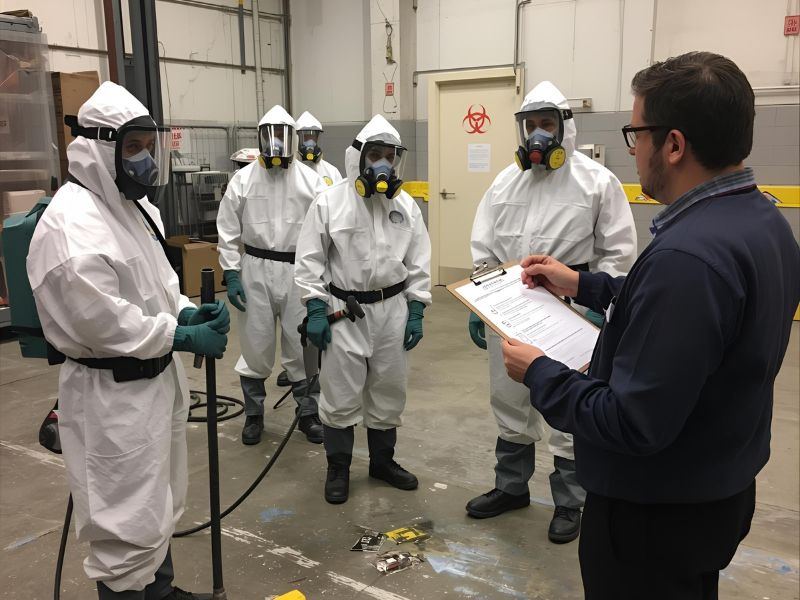
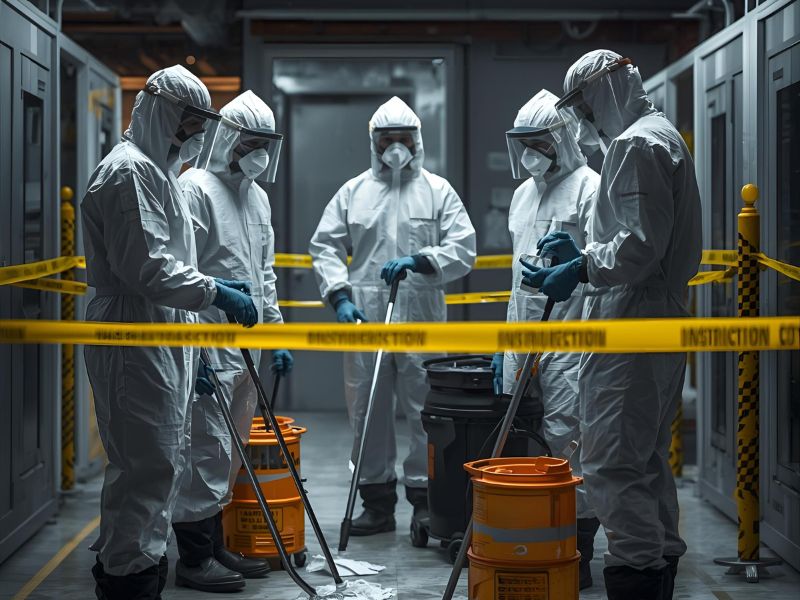
Personal protective equipment becomes essential during the cleaning process, as technicians work with industrial cleaning agents and potentially hazardous materials. Proper safety protocols ensure worker protection while maintaining cleaning effectiveness.
TR19 Cleaning Frequency and Maintenance Schedules
The frequency of TR19 cleaning depends on kitchen usage intensity and operational demands. Heavy use kitchens operating 12-16 hours daily require cleaning every 3 months to maintain proper safety standards.
Moderate usage facilities running 6-12 hours per day typically need cleaning every 6 months. This schedule balances safety requirements with operational costs, ensuring systems remain compliant without unnecessary expense.
Less busy establishments operating 2-6 hours daily can often maintain compliance with 12-month cleaning intervals. However, even light usage requires consistent monitoring to ensure grease levels remain within acceptable limits.
Kitchen hygiene standards may require more frequent cleaning if initial inspections reveal elevated contamination levels or if operational changes increase usage patterns. Flexibility in scheduling helps maintain continuous compliance.
Detailed Breakdown of TR19 Certificate Costs
Understanding TR19 cleaning costs requires consideration of multiple factors that influence final pricing. A small café kitchen extraction clean might cost £250-£500, while larger commercial kitchens often pay £1,000-£2,500+ per clean.
System complexity significantly affects pricing structures. Simple single-hood installations cost considerably less than multi-level systems with extensive ductwork networks. The number of extraction systems and total ductwork length directly correlate with cleaning costs.
Grease accumulation levels impact both time requirements and cleaning intensity needed. Heavily contaminated systems require additional cleaning cycles and specialised techniques, increasing overall service costs.
Emergency cleaning services, where certificates are needed quickly for inspections or insurance requirements, typically attract premium rates. Planning ahead helps avoid these additional charges while ensuring compliance deadlines are met.
Annual contracts offer cost-effective alternatives for many businesses, spreading expenses over multiple visits. These arrangements typically range between £1,500 and £5,000 per year for larger premises, depending on system complexity and cleaning frequency requirements.
Working with Certified Professionals and Service Providers
Selecting the right service provider ensures successful completion of TR19 cleaning and certification processes. Certified professionals possess the expertise and equipment necessary to complete work to required standards.
A proven track record demonstrates a provider's ability to handle various system types and operational challenges. References from similar businesses help evaluate service quality and reliability before making commitments.
Ensuring systems receive proper attention requires providers who understand the technical requirements and documentation standards. Professional technicians can identify potential issues before they become serious problems.
Budget provider considerations should balance cost concerns with service quality requirements. The cheapest option may not provide the comprehensive service needed to achieve full compliance and maintain ongoing safety standards.
Maintaining Ongoing Compliance and Safety Standards
Operational efficiency improves when businesses maintain consistent TR19 compliance schedules. Regular cleaning prevents major contamination buildup that could require extensive remediation work.
Internal cleanliness monitoring helps identify potential issues between scheduled professional cleanings. Staff training on basic maintenance procedures supports overall system performance and safety.
Ensuring compliance requires systematic documentation of all cleaning activities, inspection results, and maintenance schedules. Proper record-keeping demonstrates ongoing commitment to safety standards and regulatory requirements.
Final inspection procedures confirm that cleaning work meets TR19 standards before issuing certificates. These thorough evaluations ensure systems are fire safe and fully compliant with all relevant regulations.
Staying up to date with evolving standards and requirements helps businesses maintain continuous compliance as regulations change. Regular communication with certified providers ensures awareness of any updates affecting operational requirements.
💼 4 in 5 Cleaners Have No Training
Get certified, get paid more, win better commercial contracts
📊 Stand Out From 80%
💰 Higher Rates
🏆 Better Contracts
📈 Professional Edge
Start Our Commercial Cleaning Courses
Professional training sets you apart
Get Expert TR19 Compliance Support Today
TR19 isn't just a piece of paper - it's proof that your business is safe, compliant, and protecting staff and customers. At Biohazard Cleaning Courses, we understand the complexities of maintaining proper ventilation hygiene standards while managing operational costs effectively.
We provide comprehensive training and support for businesses seeking to understand TR19 requirements and develop effective compliance strategies. Our expertise helps you navigate the certification process while ensuring your systems meet all safety and performance standards.
Don't risk significant risks to your business operations. Contact Biohazard Cleaning Courses today for a free quote on TR19 compliance support and discover how we can help ensure safety, maintain insurance coverage, and protect your commercial kitchen investment.