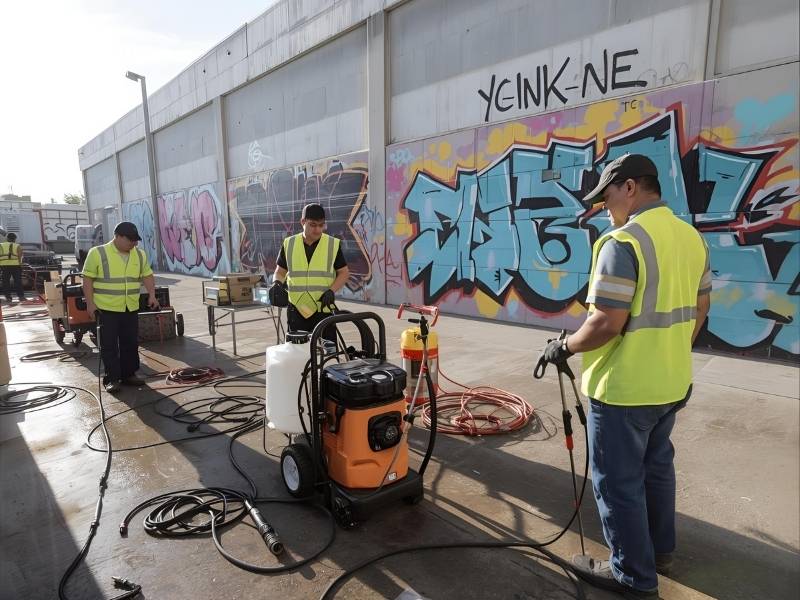
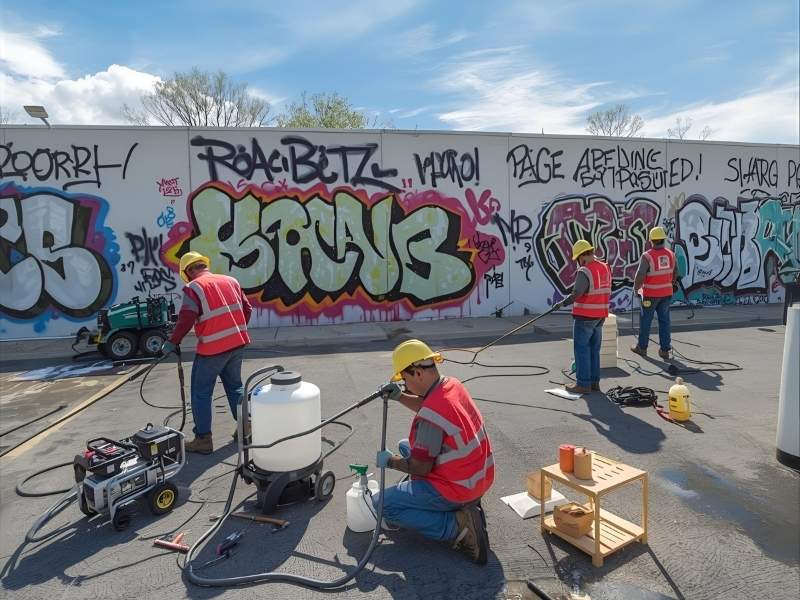
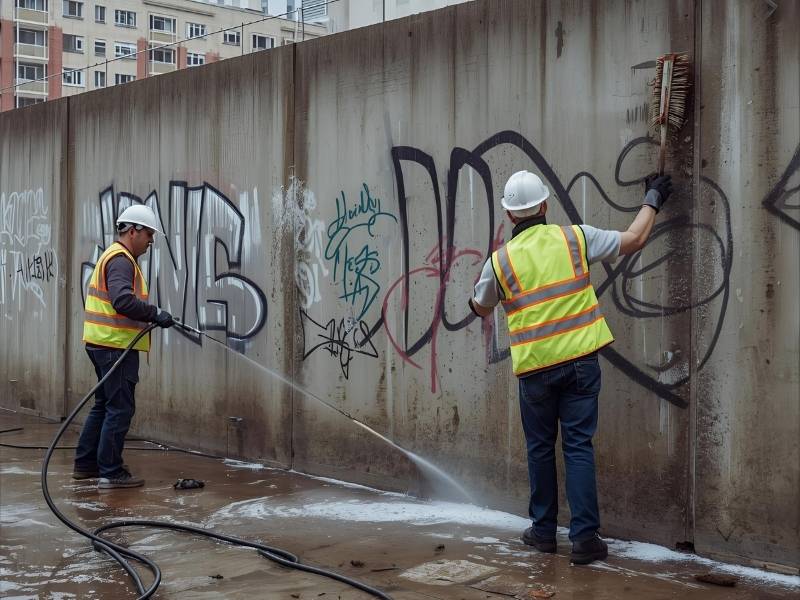
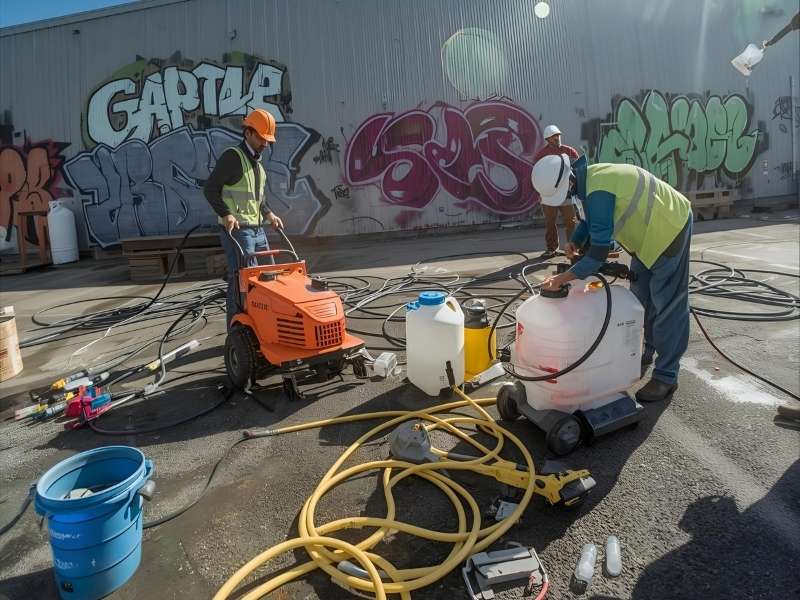
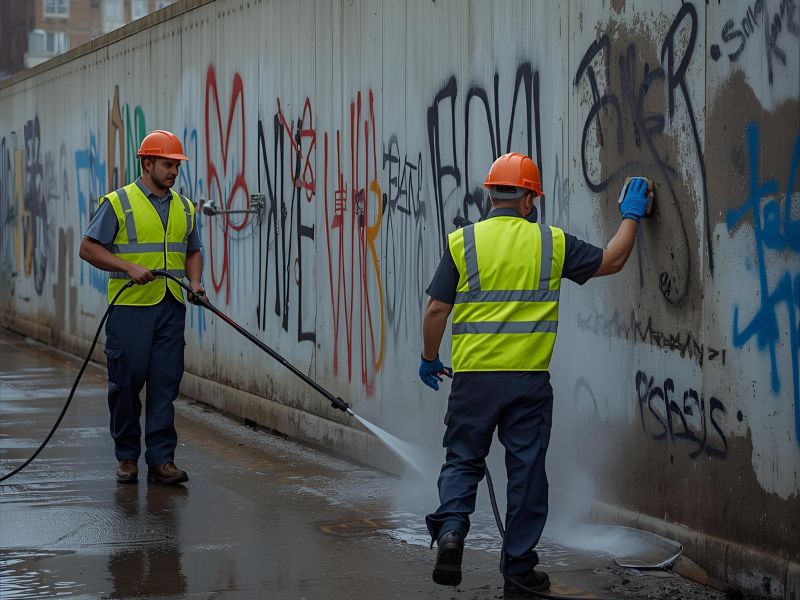
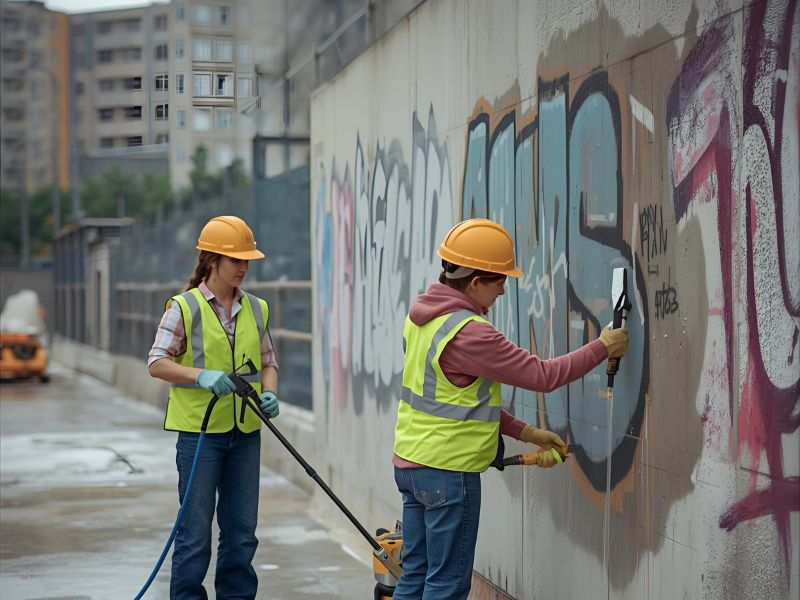
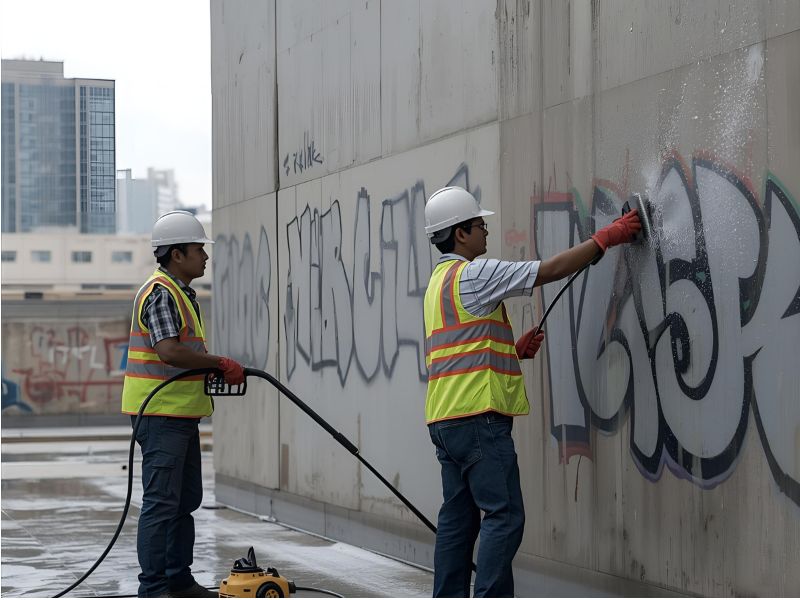
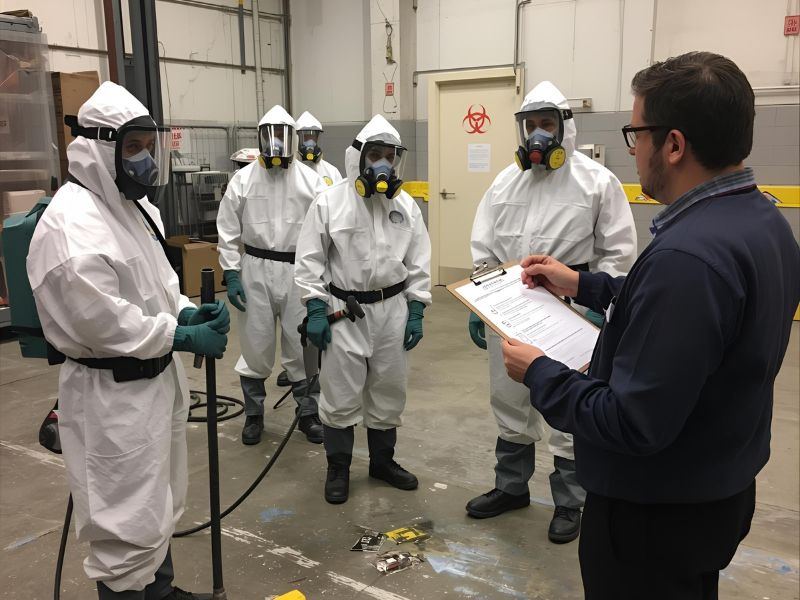
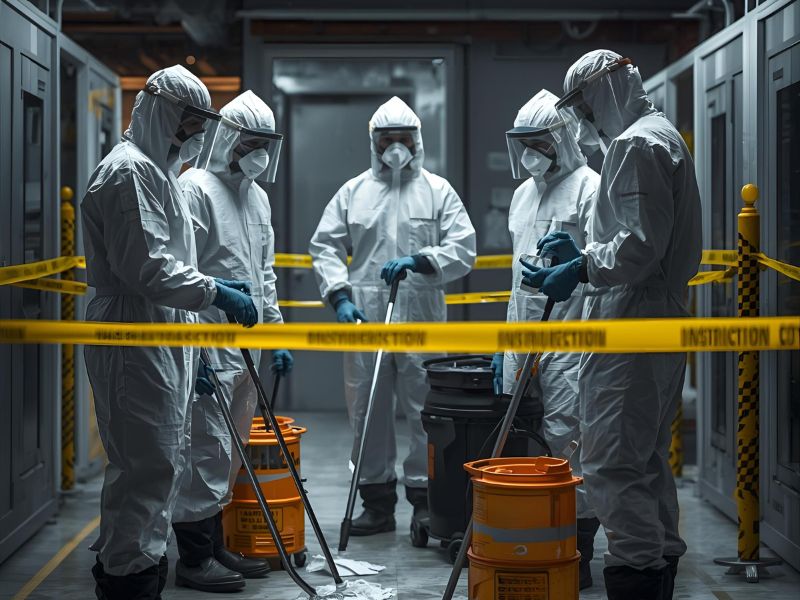
Starting your own graffiti removal business requires specific tools, equipment, and cleaning products designed for safe and effective removal of unwanted markings. The graffiti removal industry forms part of the wider £6+ billion UK cleaning sector, operating in a specialist niche with less competition than general cleaning services. If you’ve been wondering how to start a graffiti removal business, we'll walk you through everything you need to get started, from essential equipment to specialist chemicals and safety gear.
🎨 £1 Billion UK Graffiti Market
Councils spend billions on clean-up - master removal techniques for massive demand
💰 £1B Market
🏛️ Council Contracts
🛠️ Specialist Techniques
📈 Consistent Demand
Join Our Graffiti Removal Training Course
Tap into billion-pound cleanup market
Essential Pressure Washing Equipment
A pressure washer forms the backbone of any professional graffiti removal business. This equipment delivers high-pressure water streams that help break down paint and adhesive materials from various surfaces without causing damage to the underlying material.
For those starting out, basic electric pressure washers cost around £80-£150 and work well for smaller residential jobs and light commercial work. These home-duty models typically operate at lower pressures but can handle standard spray paint removal from most common surfaces.
Professional operators should invest in heavy-duty, high-pressure commercial-grade units ranging from £250-£700 or more. These machines offer greater cleaning power, longer operational life, and often include features like adjustable pressure settings and chemical injection systems. Van-mounted pressure washers provide the ultimate convenience for mobile graffiti removal services, allowing you to carry larger water tanks and more powerful equipment.
When selecting pressure washing equipment, consider the types of surfaces you'll be cleaning most frequently. Brick, concrete, and metal surfaces typically require higher pressure settings, while glass and painted surfaces need gentler approaches to prevent damage during the cleaning process.
Specialist Graffiti Removal Chemicals
Chemical graffiti removers target specific types of marking materials and surface combinations. 0he choice of cleaning solutions significantly impacts both removal effectiveness and environmental safety during operations.
Basic graffiti remover chemicals cost approximately £20-£30 for sprays or 5-litre units suitable for general-purpose cleaning tasks. These products work well for fresh graffiti on non-porous surfaces and represent an affordable starting point for new graffiti removal business operators.
Professional-grade solvents range from £150-£200 or more for large volume containers, high-strength formulations, or specialty removers designed for challenging applications. These products handle stubborn graffiti on porous surfaces like unsealed concrete or brick, where standard cleaners prove ineffective.
Over 70% of councils and large businesses now prefer biodegradable and non-toxic graffiti removers, making eco-friendly cleaning solutions essential for winning larger contracts. These environmentally conscious products cost slightly more but appeal to clients seeking sustainable graffiti removal services.
Water-based removers work effectively on fresh paint and markers while minimising environmental impact. Solvent-based products tackle older, more stubborn markings but require additional safety precautions and proper disposal methods.
Aerosol and Spray Application Tools
Aerosol graffiti removers offer precise application for detailed work and hard-to-reach areas. These 400ml spray cans cost around £4-£6 for individual purchases, making them practical for spot treatments and small-scale operations.
Bulk purchasing reduces costs significantly, with cases of 12 cans ranging from £50-£60 including VAT depending on brand and formulation. Professional graffiti removal services often stock multiple aerosol types to handle different surface materials and graffiti types efficiently.
Pump sprayers and professional application equipment allow you to use bulk chemicals more economically while maintaining precise control over application areas. These systems reduce chemical waste and provide better coverage for larger removal jobs.
Consider the working time and surface coverage when selecting aerosol products. Some formulations require longer dwell times for effective removal, while others work quickly but may need multiple applications for complete cleaning.
Hand Tools and Manual Equipment
Manual tools complement pressure washing and chemical removal for detailed work and surface preparation. Scrapers, brushes, extension poles, and non-abrasive pads typically cost £5-£20 per item depending on size and quality specifications.
Plastic scrapers remove loose paint and debris without scratching underlying surfaces. Metal scrapers handle tougher materials but require careful use to prevent surface damage during removal operations.
Various brush types serve different purposes in graffiti removal work. Stiff bristle brushes help work chemicals into porous surfaces, while softer brushes provide gentle agitation for delicate materials like glass or painted surfaces.
Extension poles allow you to reach elevated areas safely without ladders for many cleaning tasks. Heavy-duty industrial poles or specialist brushes may cost £30-£60 or more but provide better reach and durability for frequent use.
Non-abrasive pads offer controlled abrasion for stubborn markings without damaging surfaces. These pads work particularly well with chemical removers to break down paint layers gradually and safely.
Personal Protective Equipment Requirements
Safety equipment protects operators from chemical exposure, high-pressure water, and physical hazards during graffiti removal work. Personal protective equipment represents a crucial investment in worker safety and regulatory compliance.
Basic safety gear including gloves, goggles, and masks costs approximately £10-£30 each depending on quality and protection level. Chemical-resistant gloves protect hands from solvents and cleaning agents during application and cleanup.
Safety goggles prevent chemical splashes and pressure washer spray from reaching eyes during cleaning operations. Choose wraparound styles that provide complete eye protection from all angles.
Respiratory protection becomes essential when working with solvent-based removers in confined spaces or poorly ventilated areas. Basic dust masks provide minimal protection, while proper respirators with appropriate filters offer comprehensive protection against chemical vapours.
Full PPE sets including higher specification respirators, chemical-resistant overalls, and safety boots can total £100-£200 or more. Professional operators often maintain multiple PPE sets to ensure clean equipment for each job and backup protection when primary equipment requires cleaning or replacement.
Access Equipment and Height Safety
Many graffiti removal jobs require working at height to reach markings on building walls, bridges, and other elevated surfaces. Access equipment costs vary significantly based on height requirements and safety specifications.
Small ladders ranging from 6-8 feet cost approximately £40-£100 for decent quality models suitable for residential and light commercial work. These provide access to ground-floor windows, shop fronts, and other low-level graffiti commonly found in urban areas.
Scaffold systems or mobile elevating work platforms (MEWPs) may cost £200-£400 per day or more depending on size, height capacity, and location. These systems become necessary for high-rise buildings, bridge structures, and other challenging access situations.
Working at heights certification may be required for certain contracts, particularly with commercial clients. This training covers ladder safety, scaffolding requirements, and fall protection measures for elevated graffiti removal tasks.
Consider the frequency of height work when deciding between purchasing and hiring access equipment. Regular high-level work justifies equipment ownership, while occasional jobs work better with rental arrangements.
Vehicle and Transport Solutions
Mobile graffiti removal services require reliable vehicles to transport equipment between job sites. The majority of graffiti removal businesses operate as mobile services, making vehicle selection a critical business decision.
Basic used vans suitable for equipment transport cost approximately £5,000-£10,000 plus modification costs for secure storage and equipment mounting. These vehicles work well for startup operations and smaller service areas.
Professional setups with newer vans, fitted racking systems, and integrated equipment can range from £15,000-£30,000 or more depending on specifications. Van-mounted pressure washers, water tanks, and chemical storage systems provide maximum efficiency for larger operations.
Vehicle branding helps establish professional credibility and serves as mobile advertising as you travel between locations. Professional graphics and contact information help potential customers remember your graffiti removal services when needs arise.
Consider payload capacity when selecting vehicles and equipment. Commercial pressure washers, water tanks, and chemical storage add considerable weight that affects fuel efficiency and vehicle performance.
Storage and Organisation Systems
Proper storage keeps chemicals, tools, and equipment organised while ensuring safety compliance and efficient operations. Storage solutions range from basic containers to professionally designed van racking systems.
Basic secure containers and storage lockers cost £50-£200 and provide adequate protection for hand tools and smaller equipment items. These systems work well for operators working from fixed premises or those with limited equipment inventories.
Professional van racking systems and climate-controlled storage may cost thousands depending on complexity and specifications. These systems maximise space efficiency while keeping equipment secure and easily accessible during mobile operations.
Chemical storage requires particular attention to safety regulations and compatibility requirements. Separate storage prevents chemical interactions while proper ventilation reduces vapour buildup in enclosed spaces.
Spill containment systems protect vehicles and premises from accidental chemical releases. Basic spill kits cost £20-£50, while comprehensive van-mounted systems may reach £100 or more depending on capacity and features.
Safety and Emergency Equipment
Emergency preparedness equipment handles accidents and chemical spills that may occur during graffiti removal operations. These safety items protect both workers and the environment from potential hazards.
Basic spill kits containing absorbent materials and cleanup supplies cost £20-£50 and handle minor chemical releases effectively. These kits should be readily accessible in work vehicles and storage areas.
Larger spill response equipment for vans or fixed premises can cost £100 or more but provides comprehensive protection for major incidents. Professional operations often maintain multiple spill kits at different locations for rapid response capabilities.
First aid equipment and training help address minor injuries that may occur during physical work with tools and equipment. Many commercial clients prefer contractors with current first aid certification for their projects.
Emergency contact information and safety data sheets for all chemicals should be readily available during operations. These documents provide critical information for emergency responders if incidents occur.
🎨 £1 Billion UK Graffiti Market
Councils spend billions on clean-up - master removal techniques for massive demand
💰 £1B Market
🏛️ Council Contracts
🛠️ Specialist Techniques
📈 Consistent Demand
Join Our Graffiti Removal Training Course
Tap into billion-pound cleanup market
Specialised Surface Treatment Products
Different surface materials require specific treatment approaches and cleaning products. Understanding these requirements helps you select appropriate chemicals and equipment for various graffiti removal jobs.
Porous surfaces like unsealed concrete and brick often need stronger solvents and longer dwell times for effective removal. These materials absorb paint deeper into their structure, requiring more aggressive cleaning approaches.
Non-porous surfaces including glass, metal, and sealed concrete typically respond well to standard pressure washing and general-purpose chemical removers. These materials clean more easily but may require careful pressure control to prevent damage.
Anti graffiti coatings provide protective barriers that make future removal easier and less costly. These products represent additional revenue opportunities while providing ongoing value to commercial clients seeking preventative solutions.
Surface testing becomes important when working with valuable or historic materials. Small test areas help determine appropriate cleaning methods without risking damage to larger surface areas.
Quality Control and Professional Standards
Professional equipment maintenance ensures reliable performance and extends the lifespan of your investment in graffiti removal tools and machinery. Regular servicing prevents equipment failures during critical jobs.
Pressure washer maintenance includes regular oil changes, pump inspections, and hose replacement as needed. These routine tasks prevent costly repairs and ensure consistent cleaning performance across all jobs.
Chemical storage rotation ensures product effectiveness and prevents degradation that reduces cleaning performance. Proper inventory management minimises waste while maintaining fresh supplies for optimal results.
Documentation of cleaning procedures, safety protocols, and customer communication standards maintains professional service delivery as your graffiti removal business grows and potentially adds employees.
Before and after photography provides proof of work completion and helps with quality control across different job sites and surface types. This documentation also supports marketing efforts and customer satisfaction verification.
Business Structure and Planning Essentials
Creating a solid business plan helps you secure funding and establish clear operational guidelines for your graffiti removal business. Your business plan should outline startup costs, target market analysis, and revenue projections based on local demand for graffiti removal services.
Consider using a business plan template to ensure you cover all essential elements including market research, financial projections, and marketing strategy. Many lenders and investors require detailed business plans before approving funding for new graffiti removal business ventures.
Business structure choices include sole proprietorship, limited company, or partnership arrangements. Each structure offers different advantages regarding liability protection, tax implications, and operational flexibility for your graffiti removal business.
Local regulations may require specific licenses or permits for operating a graffiti removal business in your area. Contact your local government offices to understand applicable requirements for commercial cleaning services and chemical handling.
A general business license provides legal authorisation to operate your removal business within your chosen service area. Some councils may have additional requirements for businesses handling cleaning chemicals or operating pressure washing equipment.
Target Market and Marketing Approach
Property owners and property managers represent your primary target market for graffiti removal services. These clients regularly deal with vandalism issues and need reliable contractors who can respond quickly to maintain their properties' appearance.
Local businesses frequently require graffiti removal services, particularly retailers and restaurants in urban areas where vandalism occurs regularly. Developing relationships with local business associations can generate referrals and repeat contracts.
Commercial clients often prefer working with established graffiti cleaning business operators who carry appropriate insurance coverage and demonstrate professional standards. Building a reputation for quality work and reliability helps win larger contracts with better profit margins.
Your marketing plan should focus on reaching decision-makers who authorise graffiti removal services. This includes facility managers, property management companies, and business owners who value maintaining clean, professional appearances.
Effective marketing channels include local networking events, online directories, and direct outreach to businesses and organisations that commonly experience graffiti problems. Vehicle branding serves as mobile advertising while you travel between job sites.
Financial Planning and Revenue Projections
Understanding startup costs helps you develop realistic financial projections for your graffiti removal business plan. Many small operators successfully start with £5,000-£10,000 for essential equipment, protective gear, and vehicle preparation.
Break even analysis determines how many jobs you need to cover your operating expenses and begin generating profit. Calculate your monthly fixed costs including vehicle payments, insurance premiums, and equipment maintenance to establish minimum revenue requirements.
Pricing strategy affects both competitiveness and profitability in the graffiti removal industry. Research local market rates and position your services to reflect quality and reliability while remaining competitive with other removal business operators.
Ongoing expenses include fuel costs, chemical supplies, equipment maintenance, and business insurance. Factor these operational costs into your pricing to ensure each job contributes to both immediate expenses and long-term business growth.
Revenue streams may include one-time removal jobs, regular maintenance contracts, and anti graffiti coating applications. Diversifying your service offerings helps stabilise income and reduces dependence on seasonal demand fluctuations.
Budget Planning for Startup Costs
Equipment costs form the largest initial expense category. A commercial pressure washer, specialist cleaning chemicals, safety equipment, and hand tools establish your basic service capability for most common graffiti removal jobs.
Vehicle costs include purchase or lease payments, insurance, fuel, and maintenance expenses. Consider used commercial vehicles to reduce initial costs while ensuring reliability for daily operations throughout your service area.
Working capital requirements include funds for ongoing expenses before revenue stabilises. Account for fuel costs, chemical supplies, equipment maintenance, and business insurance during the initial business launch period.
Equipment financing options may help spread costs over time while preserving working capital for operational expenses. Many equipment suppliers offer financing arrangements tailored to small service businesses.
Estimating startup costs accurately helps you secure appropriate funding and avoid cash flow problems during your business launch period. Include equipment, vehicle, licensing, insurance, and initial marketing expenses in your comprehensive budget planning.
Professional Development and Training
While specialist training isn't legally required for graffiti removal, professional development enhances your service quality and competitive position. Many successful operators take courses in safe chemical handling, surface restoration techniques, and professional cleaning methods.
Chemical handling training teaches proper mixing, application, and disposal of cleaning agents. This knowledge helps you select appropriate products for different graffiti types while ensuring worker and environmental safety.
Surface restoration skills enable you to handle delicate or valuable surfaces without causing damage during cleaning operations. Understanding different material properties and appropriate cleaning methods expands your potential client base significantly.
Health and safety training covers proper PPE use, chemical storage, and emergency procedures that protect workers and comply with regulatory requirements. Many larger commercial clients require evidence of safety training before awarding contracts.
Continuing education keeps you current with new products, techniques, and environmental regulations affecting the graffiti removal industry. Professional associations and suppliers often provide training updates and certification programmes.
🎨 £1 Billion UK Graffiti Market
Councils spend billions on clean-up - master removal techniques for massive demand
💰 £1B Market
🏛️ Council Contracts
🛠️ Specialist Techniques
📈 Consistent Demand
Join Our Graffiti Removal Training Course
Tap into billion-pound cleanup market
Get Your Free Quote from Biohazard Cleaning Courses
Ready to start your graffiti removal business with proper training and certification? We offer comprehensive courses covering safe chemical handling, surface restoration techniques, and professional cleaning methods. Our expert instructors provide hands-on training with the actual equipment and products you'll use in real-world graffiti removal operations.
Contact Biohazard Cleaning Courses today for a free quote on our professional training programs. We'll help you develop the skills and knowledge needed to select, use, and maintain the equipment essential for building a successful graffiti removal business that serves your community safely and effectively.