The cleaning industry offers more lucrative career opportunities than many people realise. While basic domestic cleaning might pay minimum wage, specialist cleaning roles can command impressive salaries that rival many professional positions. We've analysed the latest market data to identify what are the best paid cleaning jobs available in the UK today.
Understanding the UK Cleaning Industry Pay Structure
The cleaning sector operates on multiple tiers, with pay varying dramatically based on specialisation, risk level, and required expertise. At Biohazard Cleaning Courses, we've observed a significant shift in recent years, with specialist cleaning roles experiencing unprecedented demand and corresponding pay increases.
The post-pandemic landscape has created substantial opportunities for trained cleaning professionals. Infection control procedures have become paramount across all sectors, driving up rates for qualified operatives who understand contamination protocols and can work to the high standard clients require.
Basic domestic cleaning jobs typically start around £10-12 per hour, but specialist roles can command £16-25 per hour or more. The key difference lies in training, certification, and the willingness to work in challenging environments that many avoid. Most cleaning jobs now require reliable professionals who can operate to strict standards whilst maintaining flexible schedules.
Crime Scene and Biohazard Cleaning Specialists
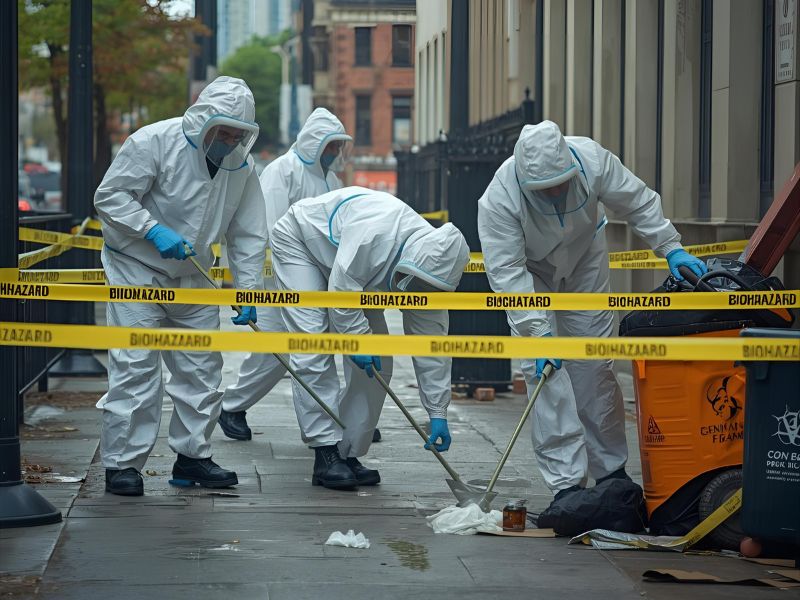
Crime scene and biohazard cleaning represents one of the best cleaning jobs in terms of earning potential. These roles require specialists who can handle traumatic situations while maintaining professional standards and strict safety protocols. Many companies operate on a self employed basis, allowing experienced operatives to set competitive rates. For those wondering how much do crime scene cleaners make or how much is a biohazard cleanup salary in the UK, the figures show clear opportunities for strong earnings in this sector.
According to our 2024 analysis, crime scene cleaners earn an average of £30,429 per year, with rates reaching £15.03 per hour for standard work. However, emergency callouts and hazardous material handling can push hourly rates significantly higher. For 2025, we expect experienced specialists to command £32,000-£34,000 annually, with hourly rates of £16-18 per hour or more when factoring in on-call premiums.
🚨 Crime Scene Cleaning: 12% Rise in Demand
Join the specialists earning premium rates in this essential service industry
💰 £775 Face-to-Face
💻 £579 Virtual
🏆 CPD Certified
📈 Growing Sector
Join Our Crime Scene Cleaner Courses
Master trauma cleaning with professional expertise
The work involves cleaning and decontaminating areas affected by violent crimes, accidents, or deaths. Cleaning tasks include removing biological materials, sanitising surfaces using specialist cleaning supplies, and ensuring complete decontamination. While emotionally demanding, these positions offer great pay and job security, as demand consistently exceeds supply.
Clients require specialists with proper training, certification, and the mental resilience to handle distressing scenes. Previous experience in healthcare or emergency services can be valuable, though comprehensive training programmes provide the essential skills needed. Most employers will ask for two references and require completion of an application form as part of the recruitment process.
💰 Turn £20 Into a £3 Million Cleaning Business
Learn biohazard cleaning and earn more from one contract than traditional cleaners make in weeks
✅ 3000+ Certified
🏆 CPD Accredited
📈 Premium Rates
🎯 Face-to-Face & Virtual
Start Biohazard Cleaning Training Course
Join the 1% of cleaners earning specialist rates
Medical and Healthcare Facility Cleaning
Healthcare cleaning has evolved into a highly specialised field requiring extensive knowledge of infection control procedures and regulatory compliance. The COVID-19 pandemic highlighted the critical importance of proper medical facility cleaning, driving up both demand and pay rates across England and the broader UK.
Specialist cleaning operatives working in medical environments can expect salaries around £28,709-£30,000 annually according to current market data. For 2025, we anticipate rates of £30,000-£32,000 for experienced professionals, equating to £14-17 per hour depending on the specific role and location. Many positions offer 35-40 hours per week with opportunities for additional shifts.
These cleaning jobs involve maintaining operating theatres, patient rooms, laboratories, and other medical areas where contamination could have serious consequences. The work requires understanding of different cleaning supplies, proper use of specialist equipment, and strict adherence to protocols that protect both patients and staff. Daily duties include cleaning bathrooms, sterilising surfaces, managing waste disposal, and maintaining detailed cleaning records.
Many healthcare facilities prefer permanent staff rather than part time cleaning job arrangements, offering stable employment with comprehensive benefits. The role requires professionals who can manage multiple tasks efficiently, often working independently whilst being responsible for maintaining the highest standards across extensive medical facilities.
Commercial and Corporate Cleaning Contracts
Commercial cleaning offers excellent earning potential, particularly for those managing large contracts or working in premium office environments. Corporate clients typically pay higher rates due to the professional standards required and the value placed on maintaining prestigious business premises in major cities across the UK. For newcomers exploring how to get commercial cleaning contracts, understanding these client expectations is the first step toward building a profitable business.
Current market rates for commercial cleaning range from £16-20 per hour, with London and south east london commanding premium rates. North london particularly offers some of the best cleaning jobs available, with office cleaning contracts reaching £22-25 per hour for experienced teams. For 2025, we expect these rates to increase further as businesses prioritise professional cleaning services.
Large commercial contracts often involve teams of cleaners working across multiple sites on flexible schedules. Successful operatives can progress to supervisory roles, managing cleaning teams and liaising directly with corporate customers. These management positions frequently offer salaries exceeding £35,000 annually plus additional benefits.
The work typically involves general cleaning of office spaces, cleaning bathrooms, maintaining communal areas, and ensuring high standards across extensive commercial properties. Many contracts require work during evening hours or night shifts to avoid disrupting business operations, with premium rates paid for these unsociable hours.
💼 4 in 5 Cleaners Have No Training
Get certified, get paid more, win better commercial contracts
📊 Stand Out From 80%
💰 Higher Rates
🏆 Better Contracts
📈 Professional Edge
Start Our Commercial Cleaning Courses
Professional training sets you apart
Emergency Response and On-Call Cleaning
Emergency cleaning services command premium rates due to their urgent nature and availability requirements. Companies providing 24/7 response services pay substantial premiums for operatives willing to work night shifts and weekends when emergencies occur in any location across their service area.
On-call cleaning specialists can earn base salaries of £25,000-£30,000, with significant additional payments for emergency callouts. Emergency response rates often include hazard pay, travel allowances, and shift premiums that can double standard hourly rates during night shifts or weekend work. Many positions offer part time work options with guaranteed minimum hours per week.
This sector includes flood damage restoration, accident cleanup, and urgent decontamination work. The unpredictable nature means operatives must maintain availability at short notice, but the financial rewards reflect these demanding requirements. Workers take pride in providing essential services when customers need urgent support.
Many emergency cleaning companies operate across multiple regions, offering opportunities to travel and work in different locations. The business model often involves self employed contractors who can build relationships with insurance companies and property management firms, creating opportunities for those interested in developing their own client base.
Cleaning Supervisor and Team Leader Positions
Supervisory roles represent a natural career progression for experienced cleaning operatives, offering both increased responsibility and significantly better compensation. Cleaning supervisors typically manage teams of 5-15 operatives while maintaining client relationships and ensuring quality standards across multiple sites.
Supervisor salaries generally range from £28,000-£35,000 annually, with senior supervisors in large operations earning up to £40,000. These positions require strong leadership skills alongside cleaning expertise, but offer excellent job security and opportunities to support team development. Most roles involve 40-45 hours per week with flexible scheduling options.
The role involves training new team members, conducting quality inspections, managing schedules, and serving as the primary contact for clients. Supervisors often oversee multiple contracts simultaneously, requiring excellent organisational skills and the ability to create efficient systems that support both staff and customers.
Many supervisor positions include company vehicles, mobile phones, and other benefits beyond the base salary. The career path often leads to operations management roles with even greater earning potential, making this one of the best cleaning jobs for long-term career development.
Operations Manager and Senior Management Roles
Senior management positions in cleaning companies offer the highest salaries in the industry, with operations managers earning £40,000-£60,000 or more depending on company size and scope. These roles combine business management skills with deep industry knowledge gained through years of experience.
Operations managers oversee entire regions or business divisions, managing multiple supervisors and hundreds of cleaning operatives. The position requires understanding of commercial contracts, staff management, and business development alongside technical cleaning knowledge. Many professionals join these companies after gaining experience in other sectors, bringing valuable skills that support growth.
Many operations managers started as frontline cleaners and progressed through supervisory roles, demonstrating that the industry offers genuine career progression for dedicated professionals. The combination of field experience and management skills makes these individuals extremely valuable to cleaning companies seeking to maintain high standards whilst expanding their operations.
The role often involves profit and loss responsibility, new business development, and strategic planning. Senior managers may also oversee training programmes and quality assurance systems across multiple sites, ensuring consistent service delivery that matches client expectations.
Regional Pay Variations Across the UK
Geographic location significantly impacts cleaning job salaries, with London and the south east consistently offering the highest rates. However, other regions are seeing rapid growth as demand for specialist cleaning increases nationwide, creating opportunities in every local area.
London cleaning rates often exceed national averages by 20-30%, with specialist operatives earning £20-25 per hour for complex work. The capital offers numerous opportunities across different sectors, from corporate offices to luxury private homes, each requiring specific skills and offering competitive rates.
Other high-paying regions include major cities like Manchester, Birmingham, and Edinburgh, where commercial activity drives demand for professional cleaning services. Even smaller towns are seeing increased rates for specialist work as awareness of professional cleaning standards grows, creating opportunities for those willing to search for quality employers.
Rural areas typically offer lower hourly rates but may have reduced living costs and less competition for contracts. Many cleaning professionals find they can build successful businesses serving local clients in smaller communities, often working on a self employed basis to maximise their earning potential.
Essential Skills, Training and Certifications
Success in high-paying cleaning roles requires specific skills and qualifications that distinguish professionals from general cleaning operatives. Technical knowledge, safety certifications, and specialist training all contribute to earning potential and access to the best opportunities available.
Key qualifications include health and safety certifications, biohazard handling permits, and specialist equipment training. Many roles require disclosure and barring service checks, particularly when working in healthcare or educational environments. Employers typically ask candidates to supply references and complete detailed application forms during recruitment.
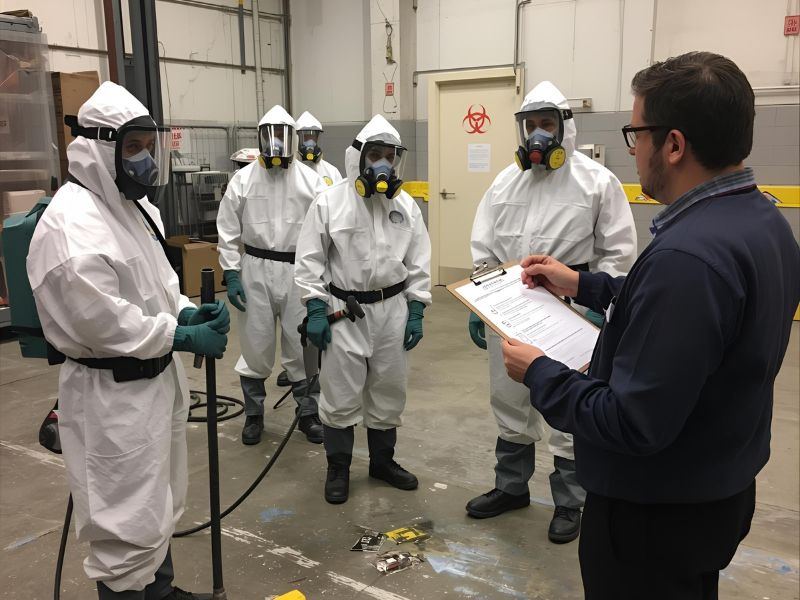
Professional cleaning courses provide essential knowledge about infection control procedures, chemical handling, and industry regulations. These qualifications demonstrate competence to potential clients and enable access to higher-paying contracts. Training also covers practical skills like vacuuming techniques, dusting procedures, and proper use of cleaning supplies.
Soft skills like reliability, attention to detail, and professional communication are equally important. Clients in premium markets expect consistent, trustworthy service delivery that maintains their reputation and operational standards. Having a passion for providing excellent service often distinguishes successful candidates from others.
Career Progression and Development Opportunities
The cleaning industry offers clear progression paths from entry-level positions to senior management roles. Many successful business owners started as general cleaning operatives before developing specialist expertise and building their own companies, demonstrating the potential for those willing to invest in their development.
Part time cleaning job opportunities provide flexible entry points for people wanting to test the industry before committing to permanent employment. Many discover they enjoy the work and can build sustainable careers with good earning potential. Family-friendly employers often offer flexible schedules that accommodate personal responsibilities.
Training programmes and apprenticeships help operatives develop specialist skills while earning. Companies often support employee development because trained staff can access higher-value contracts and improve profit margins. Many employers provide ongoing support and advice to help staff progress within their organisations.
Professional development might include business skills training, advanced technical certifications, or management qualifications. The industry values practical experience alongside formal qualifications, creating opportunities for motivated individuals regardless of educational background. Those interested in advancement can often find employers willing to create development programmes that match their career goals.
House Cleaning Jobs and Private Residential Work
House cleaning jobs represent a significant segment of the market, particularly for those seeking flexible work arrangements or part time work opportunities. Private homes require different skills compared to commercial environments, but can offer excellent earning potential and job satisfaction for the right individuals.
Domestic cleaning rates vary considerably based on location, property size, and specific requirements. Standard house cleaning jobs typically pay £12-16 per hour, but specialist services like deep cleaning, end-of-tenancy cleaning, or cleaning for elderly clients can command premium rates. Many cleaners work across several private homes each week, building regular client relationships.
The work involves all aspects of home maintenance, from general cleaning and dusting to detailed cleaning bathrooms and kitchen areas. Some positions include additional duties like laundry, shopping, or light meal preparation, particularly when working with elderly or disabled clients who need extra support.
Many domestic cleaners operate on a self employed basis, giving them control over their schedule and the ability to build their own business. This arrangement offers flexibility but requires individuals to manage their own tax affairs and find their own clients. Some prefer to work through agencies that handle administration whilst providing a steady supply of work.
Food Service and Commercial Kitchen Cleaning
Food service establishments require specialist cleaning that meets strict hygiene standards, creating opportunities for trained professionals who understand the unique challenges of commercial kitchen environments. These cleaning jobs often involve working outside normal business hours but offer good pay rates and steady employment.
Commercial kitchen cleaning requires knowledge of food safety regulations, proper handling of commercial equipment, and understanding of deep cleaning procedures that maintain health department standards. The work is physically demanding but offers excellent earning potential for those willing to work in challenging environments.
Many food service cleaning contracts include regular deep cleaning schedules, equipment maintenance, and emergency response services. Companies often prefer permanent staff who understand their specific requirements and can maintain consistent standards. The role requires attention to detail and the ability to work efficiently in busy environments.
Earnings in food service cleaning typically range from £14-20 per hour depending on the complexity of the work and the level of responsibility involved. Some positions include opportunities for additional hours during busy periods or when covering for absent colleagues, providing opportunities to increase weekly earnings.
🔥 Launch Your Oven Cleaning Business
Comprehensive training for a profitable specialist service
🎯 Specialist Service
💼 Business Launch
🏆 Professional Training
💰 High Margins
Start Our Oven Cleaning Training Course
Turn appliance cleaning into profit
Driving and Mobile Cleaning Services
Some cleaning roles involve driving between multiple sites, offering variety and often higher pay rates due to the additional responsibility and skills required. Mobile cleaning services are particularly popular for window cleaning, carpet cleaning, and specialist equipment cleaning that requires transportation of tools and supplies.
Driving positions typically require a full UK licence and sometimes additional qualifications depending on the size of vehicle involved. Many employers provide company vehicles, fuel allowances, and equipment, making these attractive opportunities for those who enjoy travelling and working independently.
Mobile cleaning services often involve working at different locations each day, providing variety and opportunities to meet different customers. The work requires good time management skills and the ability to maintain high standards whilst working without direct supervision. Many find this independence appealing compared to fixed-location roles.
Pay rates for driving-based cleaning jobs often include mileage allowances or company vehicles, effectively increasing the overall package value. Some positions offer opportunities to progress into area management roles, overseeing multiple mobile teams across larger geographic areas.
Getting Started and Finding Employment
Finding employment in the cleaning industry requires understanding where the best opportunities exist and how to present yourself professionally to potential employers. The highest-paying positions often require specific qualifications and experience, but entry-level opportunities provide pathways for career development.
Most employers recruiting cleaning staff require candidates to complete application forms and attend interviews, even for entry-level positions. Having enthusiasm, reliability, and willingness to learn often matters more than previous experience, particularly for trainee positions where companies provide comprehensive training programmes.
Building a strong reputation for reliability and quality work leads to referrals and repeat business. Many high-paying clients prefer working with known, trusted operatives rather than constantly seeking new contractors. Word-of-mouth recommendations often prove more valuable than formal advertising when building a client base.
Developing specialist skills opens doors to niche markets with less competition and higher rates. Areas like forensic cleaning, heritage building maintenance, or industrial decontamination often have limited numbers of qualified operatives, creating opportunities for those willing to invest in specialist training.
Get Professional Training - Free Quote from Biohazard Cleaning Courses
The cleaning industry offers genuine opportunities for well-paid, stable employment, but success requires proper training and professional development. Whether you're considering crime scene cleaning, medical facility work, or commercial contracts, specialist knowledge makes the difference between basic wages and premium rates.
At Biohazard Cleaning Courses, we provide comprehensive training programmes that prepare students for the highest-paying cleaning roles. Our courses cover everything from basic safety procedures to advanced decontamination techniques, giving graduates the skills and confidence to command top rates in this growing industry.
We understand that investing in training requires careful consideration, which is why we offer free consultations to discuss your career goals and recommend the most suitable programmes. Our experienced instructors have worked in all areas of specialist cleaning and can provide honest advice about opportunities and earning potential.
Contact Biohazard Cleaning Courses today for your free quote and discover how professional training can transform your earning potential in the cleaning industry. Don't settle for minimum wage work when specialist roles offer so much more. We're here to support your journey towards a rewarding career in professional cleaning.