The UK pest control industry represents a thriving sector worth hundreds of millions annually, driven by urbanisation, stricter food safety laws, and growing public health awareness. With around 5% of UK households reporting rodent problems yearly and pest infestation issues like bed bugs increasing by over 20% in recent years, there's never been a better time to enter this recession-resistant market where pests continue to pose challenges regardless of economic conditions.
Starting a pest control business in the UK offers entrepreneurs the opportunity to build a profitable venture in an essential service sector. More than 30,000 people across the UK work in pest control and related services, with self-employment forming the backbone of this growing market. The pest control industry has shown remarkable resilience, as pests require constant management and create ongoing demand for professional services dealing with various pests across different sectors.
🐀 120 Million UK Rats Need Control
81 million brown rats create massive demand for professional pest control services
🐀 120M Rats
📈 Growing Demand
🎯 Professional Training
💼 Business Expansion
Start Our Pest Control Course
Critical training for expanding services
Understanding the UK Pest Control Market
The pest control business has experienced steady growth, particularly as climate change leads to longer breeding seasons for insects and various other pests. This creates year-round demand for professional pest management services, making it an attractive opportunity for those willing to invest in proper training and equipment to handle different types of pests effectively using proven methods. For anyone considering this career path, understanding how to get pest control licence is a crucial first step toward building credibility and securing clients.
Market demand varies seasonally, with summer bringing spikes in wasp and ant infestations amongst other insects, whilst winter sees increased rodent control needs as these pests seek indoor shelter. Understanding these patterns helps new pest controller professionals plan their services and maximise revenue throughout the year when dealing with seasonal pests that affect both residential and commercial customers. The market shows consistent demand across different sectors, from residential homeowners to commercial premises requiring regular attention.
The industry serves diverse customers, from residential homeowners dealing with unwanted pests to commercial clients requiring regular pest management contracts. Many commercial premises, including restaurants, hotels, and landlords, will only hire licensed and insured pest control services to handle pest problems, making proper credentials essential for success in this competitive market.
Local authorities and housing associations represent significant market opportunities for those looking to establish their own pest control business. These clients often require long-term contracts worth thousands per year, providing stable income streams. Network Rail and sewerage companies also frequently seek specialist pest control services for their unique environments where pests can spread disease and cause operational problems.
Legal Requirements and Licensing
Before you can provide pest control services in the UK, entrepreneurs must understand the regulatory framework governing the industry and how it protects both workers and the public from exposure to pests and potential diseases. The British Pest Control Association sets standards that many commercial clients expect when hiring services to manage pests, whilst local authorities may have specific requirements for operations in their areas.
Professional qualifications play a crucial role in establishing credibility and meeting legal requirements for those wanting to start their own pest control business. Most successful pest control professionals complete training courses such as the RSPH Level 2 Award in Pest Management or equivalent specified certificate programmes that teach proper methods for handling pests safely and effectively.
The National Proficiency Tests Council oversees certification programmes that ensure technicians understand current legislation regarding pesticide use when dealing with various pests. This training covers everything from chemical handling procedures to environmental protection measures that keep both technicians and customers safe from diseases and exposure risks when managing infestation scenarios.
Understanding legislation around chemical usage and safety protocols becomes essential when handling pesticides and other control methods to eliminate pests whilst protecting people from potential harm. This knowledge helps protect both workers and clients whilst ensuring compliance with UK regulations governing pest control activities.
Essential Training and Qualifications
Training courses form the foundation of any successful pest control operation, teaching professionals how to identify, control, and eliminate various pests effectively. Industry experts recommend starting with comprehensive programmes that cover both theoretical knowledge and practical application skills needed to handle different types of pests in various situations using appropriate methods.
The British Pest Control Association offers various training programmes designed to meet industry standards. These course options cover different aspects of pest management, from basic rodent control to specialised techniques for dealing with bed bug control and bird pests that require specific methods and expertise to control effectively.
Specialised training areas include wildlife management, fumigation techniques, and advanced chemical application methods for eliminating stubborn pests. As the industry evolves, ongoing education becomes increasingly important for maintaining competitive advantages and meeting changing regulations when dealing with new types of pests or resistant pest populations.
Industry experts emphasise that proper course completion demonstrates commitment to professional standards when managing pests. This training helps new company operators identify different pest species, understand their behaviour patterns, and select appropriate methods for effective control of various pests. The knowledge gained through these programmes often helps answer business related questions that arise during client consultations.
Access to continuing education ensures pest controller professionals stay current with evolving methods and regulations. Many training providers now offer online platforms alongside practical sessions, providing flexible access to essential knowledge updates.
Equipment and Chemical Requirements
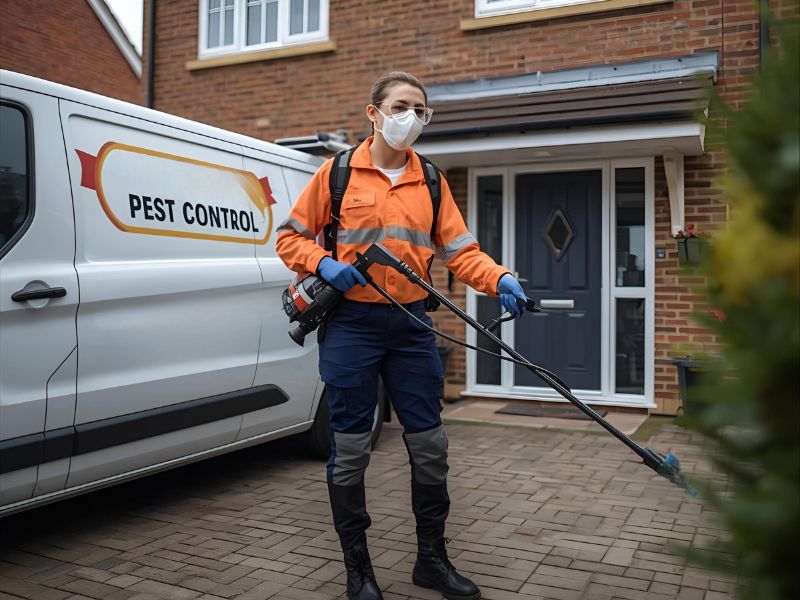
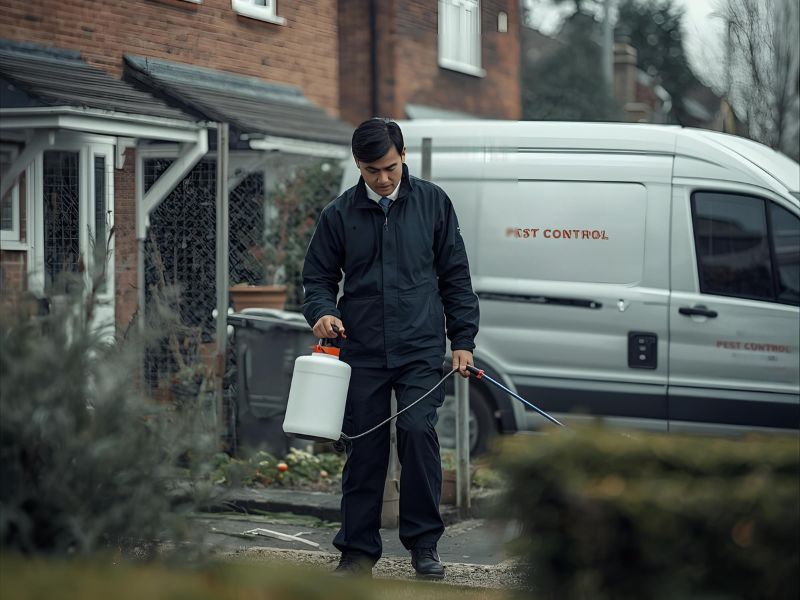
Starting your own pest control business requires investing in appropriate equipment and chemicals needed to control different types of pests effectively. Basic startup equipment includes protective clothing, application devices, monitoring tools, and detection equipment designed to handle various pests safely. Many new companies begin operations with essential items that can cost under £10,000, making this an accessible option for entrepreneurs wanting to control pests professionally.
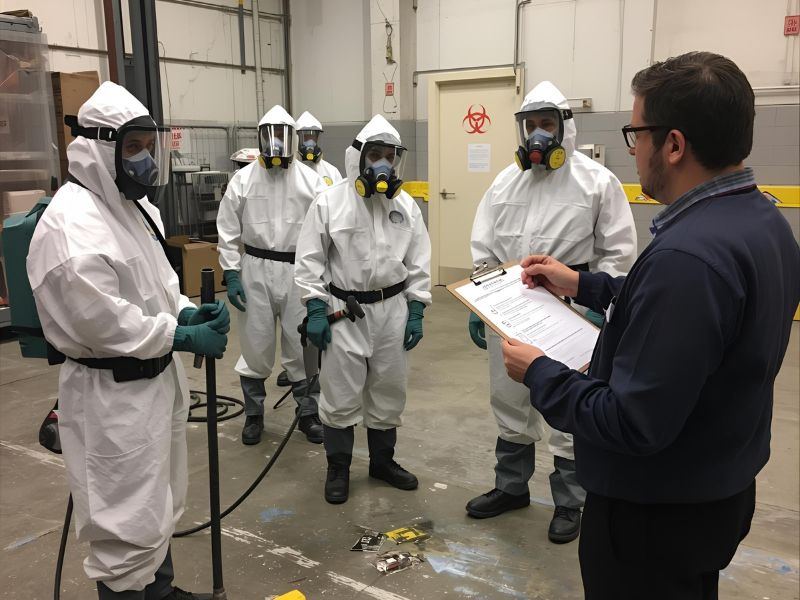
Safety equipment represents a critical investment, as pest control work involves handling potentially hazardous chemicals and working in various environments where pests may spread diseases. This includes respiratory protection, chemical-resistant clothing, and emergency response equipment that protects technicians and customers alike from potential exposure to harmful substances used to eliminate pests.
Chemical inventory management requires understanding regulations governing pesticides storage, transport, and application. Different pests require specific treatment approaches, meaning operations must maintain diverse chemical inventories whilst ensuring proper storage conditions and documentation. The range of chemicals available continues to expand as new methods are developed to control resistant pests more effectively.
Equipment maintenance forms an ongoing cost that successful operations factor into their planning when preparing to control various pests. Regular calibration of application equipment ensures accurate chemical delivery, whilst proper maintenance extends equipment life and maintains safety standards. This equipment must be capable of dealing with various infestation scenarios that may involve different types of pests requiring specific control methods.
Setting Up Your Business Structure
Choosing the right structure affects everything from tax obligations to liability protection when operating your own business in the pest control sector. Many pest control operators start as sole traders before transitioning to limited companies as their operations grow and they handle more customers facing pest issues requiring professional intervention.
Insurance requirements include public liability coverage, which many commercial premises demand before allowing pest control work to eliminate pests on their property. Professional indemnity insurance protects against claims related to treatment effectiveness, whilst vehicle insurance covers transportation needs when travelling between customers. These ongoing costs represent essential investments rather than optional expenses for any new company entering the market.
Registration involves several steps, from choosing a company name to registering for appropriate tax obligations when establishing your own business. Many new company owners benefit from professional advice during this process, as proper setup prevents complications later. The team at your local business support services can often provide guidance on these aspects of running operations effectively.
Contact details and website information must comply with regulations governing commercial operations in the pest control sector. This includes displaying appropriate licenses, maintaining proper records, and ensuring customer communications meet professional standards. Having clear contact information builds trust with potential clients seeking pest control services to handle their issues quickly and professionally.
Creating your own website provides essential access to customers searching for help online. Your own website should include comprehensive service descriptions, credentials, and contact details that demonstrate competence and reliability when handling different types of pests.
Developing Your Service Portfolio
Successful pest control operations typically start with core services before expanding into specialised areas that handle specific types of pests. Basic services include rodent control, insect management, and wasp nest removal to address common pests that affect most customers. These represent the most common customer needs and provide steady revenue streams for new companies dealing with everyday issues.
Profit margins in pest control can be substantial, especially for emergency callouts when customers need immediate help with dangerous pests. Urgent wasp nest removals, for example, can generate £60 to £150 for a single 30-minute job dealing with aggressive pests. This pricing reflects both the specialised knowledge required and the urgent nature that customers face when pests threaten their safety.
Expanding services might include bird pests management, contracts with local businesses, or specialised treatments for specific infestation issues involving different types of pests. A full-service pest control company can scale into lucrative sectors like fumigation and wildlife management, often securing long-term contracts worth thousands per year with various clients who need ongoing help managing pests.
Your own business can diversify by targeting different market sectors and specialising in particular types of pests. For example, some pest controller professionals specialise in bed bugs treatments, whilst others focus on cockroaches infestations in commercial kitchens where these pests can spread diseases. This specialisation allows operations to develop expertise in specific areas whilst building reputation within particular sectors.
Many successful operations offer emergency services for customers dealing with urgent issues, as pests often require immediate attention to prevent them from spreading or causing damage. These emergency callouts typically command premium rates reflecting their urgent nature and the immediate access customers require when pests pose immediate threats.
Marketing and Customer Acquisition
Digital marketing has become essential for pest control operations, as the majority of callouts now originate from local online searches when customers discover pests and need immediate help. Customers typically need immediate assistance, making local search visibility crucial for capturing customers seeking professional help with pests in the competitive market.
Creating your own website provides a professional online presence that builds customer confidence when they search for help with pests. The website should include contact details, services descriptions, and credentials that demonstrate competence and reliability when handling different types of pests. Many potential customers research pest control companies online before making contact, making professional web presence essential for capturing customers.
Local authorities, housing associations, and commercial premises represent valuable contract opportunities for operations that can effectively control pests across multiple locations. These clients often require regular pest management services, creating steady monthly income streams rather than relying solely on one-off residential jobs dealing with individual issues. Building relationships with property managers helps generate significant ongoing contracts systematically.
In many cases, customers facing urgent infestation issues will contact multiple pest control services seeking immediate help with dangerous or destructive pests. Having strong online visibility and quick response capabilities helps capture these emergency callouts, which often command premium pricing and lead to repeat contracts when customers need ongoing help managing pests effectively.
Reputation management through online reviews significantly impacts growth when customers search for reliable services to handle their issues. Satisfied customers often share their experiences with pest control services, whilst professional accreditation enhances credibility with potential clients seeking trustworthy help managing pests professionally.
Competition in the market requires operations to differentiate themselves through superior service, competitive pricing, and professional credentials. Understanding local competition helps new operations identify market gaps and develop competitive advantages that attract customers seeking reliable pest management services.
📈 Build Trust in Sensitive Situations
Specialist sales and marketing strategies for biohazard cleaning services
🤝 Trust-Based Sales
💼 Sensitive Marketing
📊 Business Growth
🎯 Target Clients
Join Our Biohazard Sales & Marketing Course
Ethical marketing for specialist services
Financial Planning and Growth
Understanding costs helps new company owners plan effectively and maintain profitability when establishing services to control pests. Ongoing costs include public liability insurance, specialist chemicals, vehicle maintenance, and equipment replacement needed to handle various types of pests. Despite these expenses, many pest control operations report strong net profits due to healthy service margins across different market sectors dealing with pests. For individuals considering employment before starting their own business, researching pest control technician salary UK can provide useful insight into earning potential within the industry.
Initial investment planning should account for equipment purchases, training courses, insurance premiums, and working capital for the first few months of operation when building your customer base and establishing methods. Many successful operations start with basic equipment and reinvest profits into expanding their capabilities and service range to handle more types of pests effectively.
Revenue forecasting becomes easier as operations develop understanding of seasonal patterns and customer behaviour when different types of pests become active. Summer months typically generate increased income from wasp and ant treatments amongst other insects, whilst winter brings more indoor issues including rodents and other insects seeking shelter from cold weather.
Growth strategies might include hiring additional team members, expanding service areas, or developing contracts with larger commercial clients who need comprehensive help managing pests across multiple locations. Many operations find that reputation and reliability matter more than size when building client relationships, allowing small operations to compete effectively with larger companies in the market.
Factors affecting growth include local competition, market demand, and the ability to secure contracts with major clients who need ongoing help managing pests. Some operations choose to specialise in particular aspects of pest control, whilst others maintain broad service offerings to capture maximum market opportunities dealing with different types of pests.
Several factors influence pricing strategies, including local market rates, service complexity, and customer urgency. Understanding these factors helps operations develop competitive pricing whilst maintaining profitable margins across their service range.
Advanced Services and Specialisation
As your pest control operation develops, consider expanding into specialised areas that command higher fees and face less competition when dealing with specific types of pests. Advanced services might include fumigation treatments, wildlife management, or specialist control methods for particular pest species like cockroaches or bed bugs that require specific skills to eliminate effectively.
Bird pests present unique challenges requiring specialist knowledge and equipment to control these pests without harming protected species. Many commercial premises, particularly food establishments and airports, require professional bird control services to maintain hygiene standards and operational safety when dealing with these particular pests that can cause significant issues.
Some pest controller professionals choose to focus on specific sectors such as food processing facilities, healthcare environments, or educational institutions where certain types of pests pose particular risks. These sectors often have strict requirements and pay premium rates for specialist expertise and compliance with industry-specific regulations.
Developing expertise in particular aspects of pest management can help differentiate your operation from general competitors who handle common pests. For example, specialising in bed bug control requires specific knowledge and methods, but can command higher prices due to the complexity of these infestations and the specialist skills required to eliminate these stubborn pests completely.
Cockroaches represent another specialisation opportunity, as these pests require specific control methods and ongoing monitoring to prevent re-infestation. Commercial kitchens and food preparation areas often struggle with cockroaches, creating steady demand for specialists who can effectively control these disease-carrying pests using targeted methods.
Advanced equipment and methods open access to lucrative commercial contracts that require specialist approaches. These contracts often involve long-term relationships with clients who value expertise and reliability over basic service provision.
🐀 120 Million UK Rats Need Control
81 million brown rats create massive demand for professional pest control services
🐀 120M Rats
📈 Growing Demand
🎯 Professional Training
💼 Business Expansion
Start Our Pest Control Course
Critical training for expanding services
Building Long-Term Success
Building a successful pest control operation requires patience, professionalism, and commitment to continuous learning about new types of pests and evolving control methods. The industry continues to evolve with new methods, regulations, and pest challenges emerging regularly as different pests adapt to existing control measures.
Customer relationships form the foundation of long-term success when providing services to control pests effectively. Many issues require ongoing management rather than one-time treatments, creating opportunities for regular service contracts when customers need continuous help managing pests. Building trust with clients through reliable service and effective results leads to repeat contracts and referrals.
Professional development through industry associations, additional training courses, and networking events helps build knowledge and connections within the pest control sector. Many successful pest controller professionals credit their ongoing education and industry involvement as key factors in their growth and success when learning to control new types of pests effectively.
Team development becomes important as operations grow, requiring additional staff with appropriate skills and qualifications to handle increased customer demand. Building a competent team ensures consistent service quality and enables expansion into new market sectors.
Understanding different aspects of pest management helps operations provide comprehensive services that address various customer needs. This includes knowledge of pest biology, behaviour patterns, and environmental factors that influence infestation patterns.
The pest control industry offers excellent opportunities for entrepreneurs willing to invest in proper training, equipment, and development to handle various types of pests professionally. With growing demand driven by urbanisation, climate change, and increased awareness of public health issues related to pests, the sector provides stable income potential for properly qualified professionals who can effectively control pests.
For aspiring entrepreneurs ready to start their pest control operation, professional guidance can accelerate success whilst avoiding common pitfalls when learning to control different types of pests. We at Biohazard Cleaning Courses understand the importance of proper training and setup in creating sustainable, profitable operations that can effectively handle various pests.
Ready to begin your pest control venture? Contact Biohazard Cleaning Courses today for a free quote on comprehensive training programmes that will give you the knowledge and credentials needed to succeed in this thriving industry dealing with various types of pests.