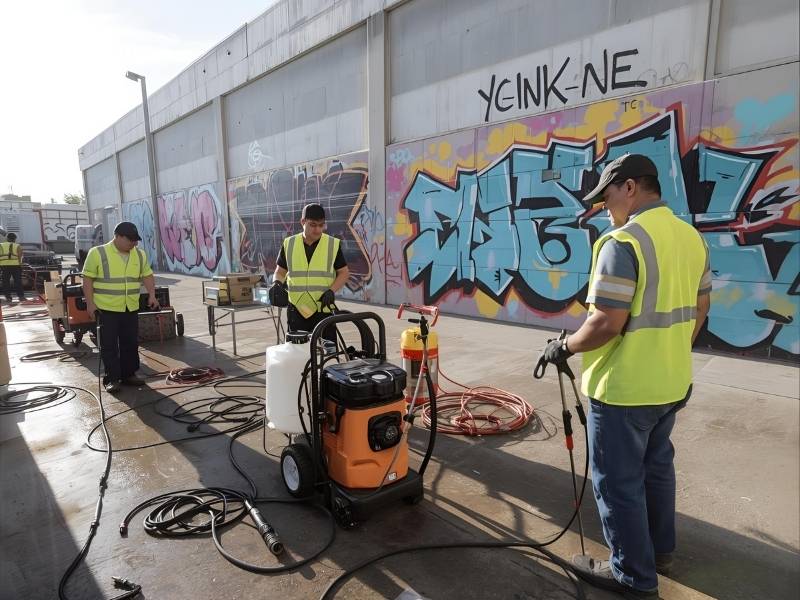
Introduction to the Biohazard Cleaning Industry
Starting a biohazard cleaning business represents one of the most rewarding career opportunities in the cleaning industry. Unlike standard cleaning services, biohazard cleaning is one of the most specialised sectors in the cleaning industry, requiring specific training, protective equipment, and compliance with health and safety regulations.
We understand that entering this field requires careful planning and dedication. The biohazard cleaning industry is recession-resistant because demand is driven by necessity rather than luxury, meaning the need for these services does not disappear during economic downturns. This unique characteristic makes it an attractive option for entrepreneurs seeking stable business opportunities.
Biohazard cleaning professionals handle situations involving potentially dangerous substances, including crime scene cleanup, trauma cleaning, and hazardous materials removal. The work requires not only technical expertise but also compassion and discretion when supporting families and businesses during sensitive times.
💰 Turn £20 Into a £3 Million Cleaning Business
Learn biohazard cleaning and earn more from one contract than traditional cleaners make in weeks
✅ 3000+ Certified
🏆 CPD Accredited
📈 Premium Rates
🎯 Face-to-Face & Virtual
Start Biohazard Cleaning Training Course
Join the 1% of cleaners earning specialist rates
Understanding Biohazard Cleaning Services
What Constitutes Biohazard Cleaning
Biohazard cleaning encompasses the safe removal and decontamination of biological and chemical hazards. This specialised cleaning process involves handling bodily fluids, bloodborne pathogens, and other biohazardous materials that pose health risks to the public.
Our industry covers various scenarios including crime scenes, traumatic events, industrial settings with chemical spills, and situations involving hazardous waste. Each situation requires specific safety protocols and proper handling techniques to ensure complete decontamination.
The cleaning process must follow strict health and safety regulations set by local authorities and federal regulations. Unlike general cleaning businesses, biohazard cleanup requires extensive knowledge of decontamination procedures and safe disposal methods for contaminated materials.
Types of Biohazard Situations
Crime scene cleanup represents a significant portion of biohazard cleaning work. These situations often involve violent crimes and require sensitivity when working with affected families and law enforcement agencies.
Trauma cleaning extends beyond crime scenes to include accidents, suicides, and unattended deaths. Each traumatic event requires professional cleanup to restore properties to safe, habitable conditions.
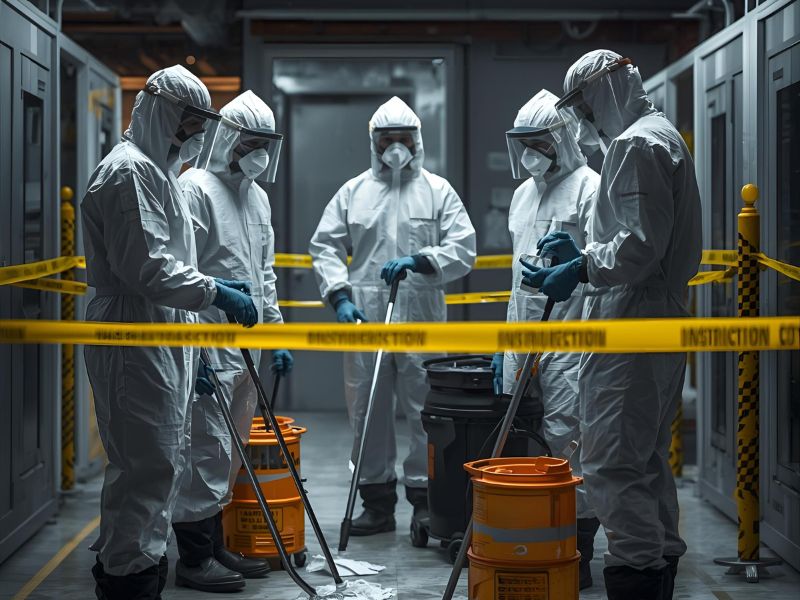
Industrial biohazard situations involve chemical spills, hazardous chemicals exposure, and occupational safety incidents. These scenarios require specialised knowledge of different substances hazardous to human health.
Medical waste cleanup includes situations in healthcare facilities, laboratories, and locations where medical procedures have occurred outside traditional medical settings.
Essential Training and Certification Requirements
Core Training Programmes
Proper training forms the foundation of any successful biohazard cleaning business. We recommend pursuing comprehensive training programmes that cover bloodborne pathogens, hazardous materials handling, and industry best practices.
Many training programmes require a high school diploma as a minimum educational requirement. However, the most valuable training comes from specialised courses in biohazard remediation and safety protocols.
Certified professionals must understand decontamination procedures, personal protective equipment usage, and legal compliance requirements. This training ensures both worker safety and regulatory adherence.
Industry Certifications
Industry associations offer various certification programmes for biohazard cleaners. These certifications demonstrate professional competence and can help attract clients seeking qualified service providers.
Essential certifications include OSHA training for hazardous waste operations, bloodborne pathogen certification, and specialised trauma cleaning credentials. Each certification enhances your company's reputation and credibility.
Ongoing education ensures that biohazard cleaning professionals stay current with evolving industry standards and legal regulations. Regular training updates are often required to maintain active certifications.
Regulatory Compliance Training
Understanding legal requirements is crucial for operating a compliant biohazard cleanup business. Training must cover federal regulations, state laws, and local authority requirements.
Health administration guidelines dictate specific procedures for handling different types of biohazardous waste. Compliance training ensures proper documentation and reporting procedures.
Safety and health training covers personal protection, risk assessment, and emergency response procedures. This training protects workers and ensures regulatory compliance during cleanup operations.
Business Planning and Market Research
Developing a Comprehensive Business Plan
A solid business plan serves as the roadmap for your biohazard cleaning business success. Your plan should outline service offerings, target market analysis, and financial projections for the first three years.
Market research reveals the demand for cleanup services in your area and identifies potential competitors. Understanding your local market helps determine pricing strategies and marketing approaches.
Financial planning must account for higher startup costs compared to standard cleaning services. Start-up costs are higher than in standard domestic or commercial cleaning because of the need for professional-grade PPE, specialist cleaning agents, and waste disposal systems.
Target Market Analysis
Your target market includes property management companies, insurance firms, law enforcement agencies, and healthcare facilities. Each market segment has specific needs and procurement processes.
Property managers often require rapid response services for rental properties affected by traumatic events. Building relationships with these professionals can provide steady business opportunities.
Insurance companies frequently cover biohazard remediation costs, making them valuable partners. Insurance policies frequently cover the cost of biohazard remediation, meaning payment for services is usually more reliable compared to some domestic cleaning contracts.
Competitive Analysis
Research existing biohazard cleaning companies in your area to understand market gaps and opportunities. Businesses that enter this niche often grow faster than standard cleaning companies because of lower competition and higher barriers to entry.
Analyse competitor pricing, service offerings, and marketing strategies. This research helps position your own business effectively in the marketplace.
Identify potential strategic partnerships with complementary businesses such as restoration companies, security firms, and emergency services.
💰 Turn £20 Into a £3 Million Cleaning Business
Learn biohazard cleaning and earn more from one contract than traditional cleaners make in weeks
✅ 3000+ Certified
🏆 CPD Accredited
📈 Premium Rates
🎯 Face-to-Face & Virtual
Start Biohazard Cleaning Training Course
Join the 1% of cleaners earning specialist rates
Legal Requirements and Licensing
Business Registration and Structure
Choose an appropriate business structure for your biohazard cleaning company, considering liability protection and tax implications. Limited liability companies often provide suitable protection for this type of work.
Register your business name and obtain necessary business licences from local authorities. Some regions require specific licences for handling hazardous materials and biohazardous waste.
Verify insurance requirements and obtain appropriate coverage before beginning operations. Professional liability insurance is particularly important given the sensitive nature of biohazard work.
Environmental and Health Permits
Many jurisdictions require special permits for businesses handling hazardous situations and biohazardous materials. Research local permit requirements early in the planning process.
Waste disposal permits may be necessary depending on the types of materials you'll handle. Partner with licenced waste disposal companies to ensure proper handling of contaminated materials.
OSHA compliance requires adherence to specific safety standards and may involve periodic inspections. Maintain detailed records of safety training and incident reports.
Professional Liability Considerations
Professional liability insurance protects against claims related to improper cleanup or inadequate decontamination. This coverage is essential given the health risks associated with biohazard work.
Workers' compensation insurance is mandatory in most regions and particularly important for biohazard cleaning due to potential exposure risks.
General liability insurance covers property damage and other standard business risks during cleanup operations.
Essential Equipment and Protective Gear
Personal Protective Equipment (PPE)
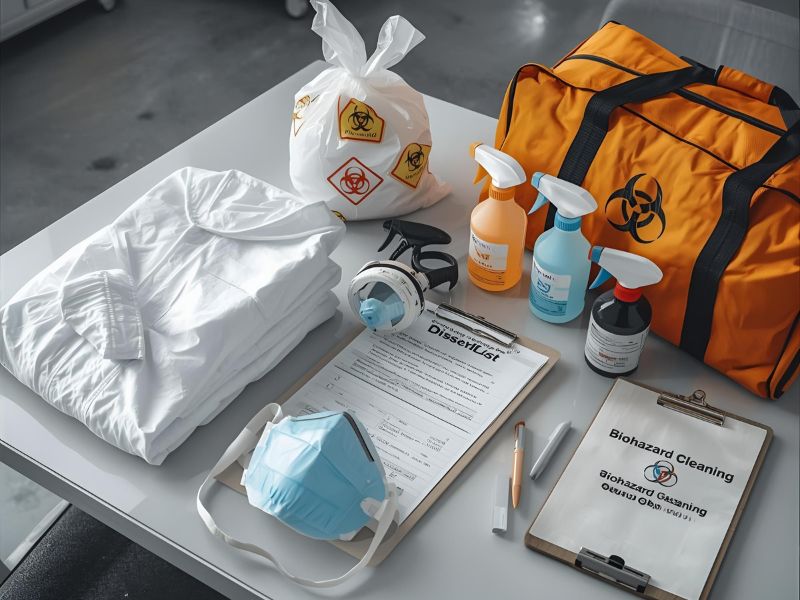
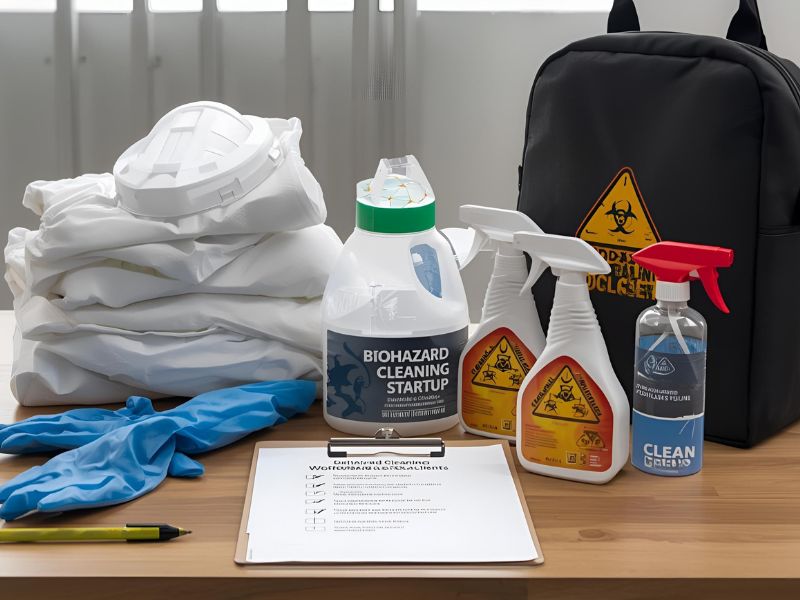
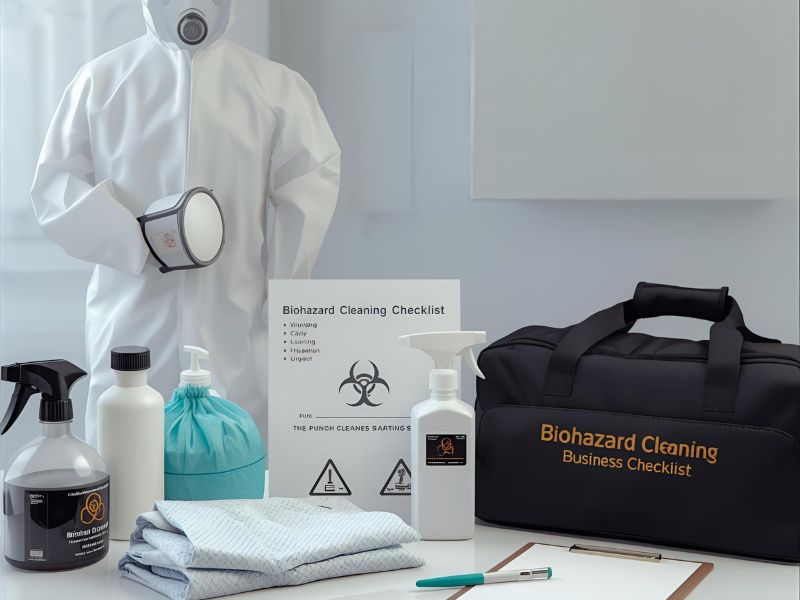
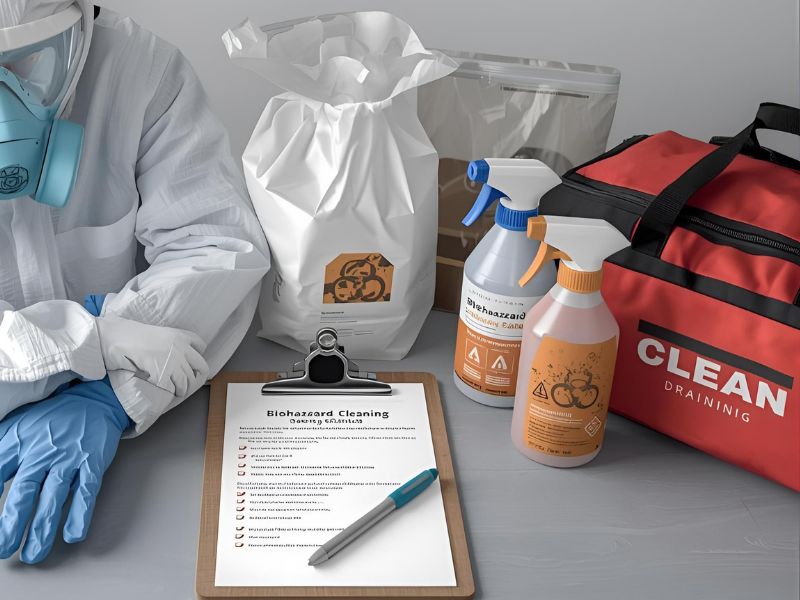
Quality equipment forms the backbone of safe biohazard cleaning operations. Essential equipment includes full-body protective suits, respiratory protection, and chemical-resistant gloves.
Eye protection and face shields protect against splashes and airborne particles during cleaning operations. All PPE must meet industry standards for biohazard protection.
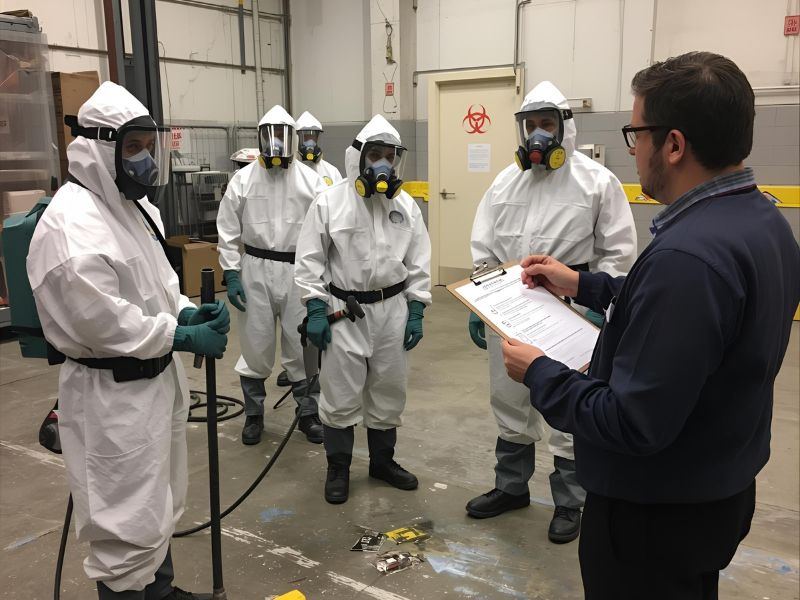
Proper fitting and training on PPE usage ensures maximum protection for cleaning teams. Regular equipment inspections and replacements maintain safety standards.
Specialised Cleaning Equipment
Professional-grade cleaning equipment designed for biohazard situations includes industrial air scrubbers, ozone generators, and specialised vacuum systems.
Decontamination equipment such as foggers and electrostatic sprayers ensure thorough coverage of affected areas. This equipment is essential for complete biohazard remediation.
Testing equipment including ATP meters and moisture detectors verify successful decontamination. Documentation of test results provides evidence of thorough cleanup.
Disposal and Transportation Equipment
Proper containment systems for biohazardous waste include puncture-resistant containers, absorbent materials, and leak-proof transport containers.
Vehicle modifications may be necessary to safely transport contaminated materials. Separate vehicles for equipment and waste transport maintain safety standards.
Storage facilities for equipment and supplies must meet safety requirements and provide secure containment for hazardous materials.
Setting Up Operations and Facilities
Facility Requirements
Your operational facility must accommodate equipment storage, decontamination areas, and administrative functions. Separate areas for clean and contaminated equipment prevent cross-contamination.
Storage requirements include climate-controlled areas for sensitive equipment and secure storage for cleaning chemicals and supplies.
Decontamination facilities allow for proper cleaning and sterilisation of equipment after each job. These facilities must meet health department requirements.
Vehicle and Transportation Setup
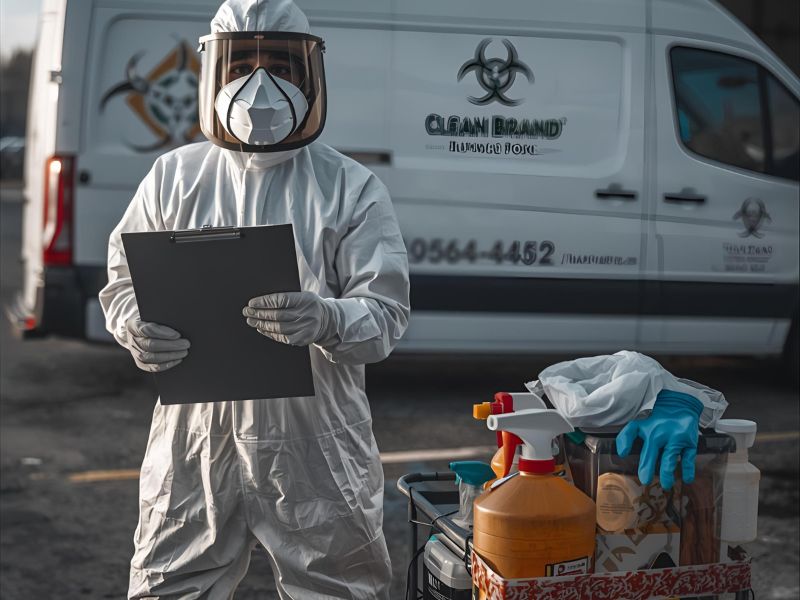
Specially equipped vehicles ensure safe transport of equipment and materials to job sites. Vehicle modifications may include equipment storage, power systems, and safety features.
Separate transport for contaminated materials maintains safety standards and regulatory compliance. Partner with licenced waste disposal companies for proper disposal.
Mobile equipment setups allow for efficient response to emergency situations. Rapid response capabilities often differentiate successful biohazard cleaning companies.
Communication and Dispatch Systems
24-hour availability is often expected in the biohazard cleaning industry. Establish reliable communication systems to handle emergency calls and coordinate responses.
Dispatch systems help manage multiple jobs and ensure appropriate resource allocation. Digital systems can track job progress and maintain customer communications.
Customer relationship management systems help maintain records and follow up on completed work. These systems support business growth and customer retention.
Financial Planning and Startup Costs
Initial Investment Requirements
Starting a biohazard cleaning business requires significant initial investment compared to standard cleaning services. Equipment costs alone can range from £15,000 to £50,000 depending on service scope. If you're asking how much does it cost to start a cleaning business, especially in the biohazard sector, it's important to recognise that the entry point is considerably higher due to specialised equipment and safety requirements.
Training and certification costs typically range from £2,000 to £8,000 per team member. These investments are essential for proper operations and regulatory compliance.
Insurance premiums for biohazard cleaning businesses are higher than standard cleaning services, typically ranging from £3,000 to £10,000 annually depending on coverage levels.
Equipment and Supply Costs
Professional-grade personal protective equipment costs approximately £200 to £500 per complete set. Multiple sets are necessary to ensure continuous operations and emergency response.
Specialised cleaning equipment represents a major investment, with industrial air scrubbers costing £3,000 to £12,000 and professional decontamination equipment ranging from £5,000 to £20,000.
Ongoing supply costs include replacement PPE, cleaning chemicals, and disposal fees. Budget approximately £1,000 to £3,000 monthly for supplies depending on job volume.
Revenue Projections and Pricing
In many regions, biohazard cleaning jobs can command rates two to three times higher than standard cleaning services due to the specialist nature and risks involved. Hourly rates typically range from £75 to £150 depending on complexity and location.
Crime scene cleanup projects can range from £1,500 to £15,000 depending on the extent of contamination and property size. Trauma cleaning services typically command similar pricing structures.
Monthly revenue potential varies significantly based on market size and business development efforts. Established businesses often generate £20,000 to £100,000 monthly in revenue.
Marketing and Building Client Relationships
Professional Website Development
A professional website establishes credibility and provides essential information to potential clients, which is a key step in how to get clients for a cleaning business. Include service descriptions, response capabilities, and contact information prominently.
Search engine optimisation helps potential clients find your services during emergency situations. Local SEO strategies ensure visibility for geographically relevant searches.
Client testimonials and case studies demonstrate expertise and build trust with potential customers. Include before-and-after photos where appropriate and with proper permissions.
Networking with Key Industries
Building relationships with local authorities, emergency services, and law enforcement agencies provides referral opportunities. These professionals often encounter situations requiring biohazard cleanup.
Property managers and real estate professionals regularly need biohazard services for rental properties and property transactions. Maintain regular contact with these potential referral sources.
Insurance adjusters and claims representatives can become valuable partners. Understanding insurance claim processes helps streamline payment and referral relationships.
Emergency Response Marketing
24-hour emergency response capabilities differentiate biohazard cleaning companies from competitors. Advertise rapid response times and availability prominently in marketing materials.
Emergency service directories and professional association memberships increase visibility during crisis situations. Maintain active listings in relevant professional directories.
Community partnerships with victim services organisations and crisis counsellors provide referral opportunities while supporting community needs.
📈 Build Trust in Sensitive Situations
Specialist sales and marketing strategies for biohazard cleaning services
🤝 Trust-Based Sales
💼 Sensitive Marketing
📊 Business Growth
🎯 Target Clients
Join Our Biohazard Sales & Marketing Course
Ethical marketing for specialist services
Industry Best Practices and Quality Control
Standard Operating Procedures
Develop comprehensive standard operating procedures for each type of biohazard situation. These procedures ensure consistent service quality and regulatory compliance.
Documentation requirements include photographic evidence, testing results, and disposal certificates. Proper documentation protects both clients and service providers.
Quality control checklists verify completion of all necessary steps during each project. Regular procedure reviews ensure adherence to evolving industry standards.
Health and Safety Protocols
Implement rigorous safety protocols to protect workers and prevent exposure incidents. Regular safety training reinforces proper procedures and equipment usage.
Incident reporting systems track safety issues and near-misses. This data helps improve safety procedures and demonstrates commitment to worker protection.
Medical monitoring programmes ensure early detection of any health issues related to occupational exposure. Partner with occupational health providers for comprehensive monitoring.
Customer Service Excellence
Compassionate communication skills are essential when working with families and businesses affected by traumatic events. Training in crisis communication improves customer relationships.
Discretion and confidentiality protect client privacy during sensitive situations. Establish clear protocols for information handling and media interactions.
Follow-up services ensure customer satisfaction and address any concerns after project completion. Excellent customer service leads to referrals and repeat business opportunities.
Building Strategic Partnerships
Emergency Services Collaboration
Collaborate with local police departments, fire services, and emergency medical teams to establish referral relationships. These partnerships provide steady business opportunities.
Victim services organisations often need reliable biohazard cleaning partners to assist families during difficult times. Building these relationships supports community needs while growing your business.
Coroner offices and medical examiner facilities regularly encounter situations requiring professional cleanup services. Maintain professional relationships with these agencies.
Insurance Industry Relationships
Insurance companies value reliable biohazard cleaning partners who understand claim processes and documentation requirements. If you're wondering what insurance do i need for biohazard cleanup, the answer starts with specialised liability coverage that addresses the unique risks involved in handling hazardous materials. Develop relationships with adjusters and claims managers.
Restoration companies often encounter biohazard situations during property remediation projects. Strategic partnerships can provide mutual referral opportunities.
Property management companies require trusted vendors for emergency situations. Establish service agreements that outline response times and pricing structures.
Franchise Opportunities vs Independent Operations
Consider franchise opportunities for established brand recognition and proven business systems. Franchise owners benefit from training support and marketing assistance.
Independent operations provide greater flexibility in service offerings and pricing strategies. Evaluate market conditions to determine the best approach for your situation.
Hybrid approaches may involve licensing existing brand names while maintaining operational independence. Research available options to find the best fit for your goals.
Long-term Growth and Expansion
Service Diversification
Expand service offerings to include related specialities such as mould remediation, odour removal, and hoarding cleanup. These services utilise similar equipment and expertise.
Industrial settings often require specialised biohazard services for chemical spills and workplace accidents. Developing industrial expertise opens new market opportunities.
Training other entrepreneurs in your methods can create additional revenue streams through consulting and education services. Share your expertise while growing industry capacity.
Geographic Expansion
Multi-location operations require systematic approaches to maintain quality standards across different markets. Develop standardised procedures and training programmes.
Regional expansion allows for better emergency response coverage and increased market presence. Consider acquisition opportunities in neighbouring markets.
National certification and franchise opportunities may provide rapid expansion possibilities. Evaluate growth strategies that align with your long-term business goals.
Technology Integration
Digital technologies improve efficiency and customer communication throughout the service delivery process. Invest in technologies that streamline operations and enhance service quality.
Remote monitoring systems can verify environmental conditions and document successful decontamination. These technologies provide objective evidence of service completion.
Customer portals allow real-time project updates and improve communication during stressful situations. Technology investments often pay for themselves through improved efficiency.
Common Challenges and Solutions
Regulatory Compliance Issues
Staying current with changing regulations requires ongoing education and professional development. Subscribe to industry publications and maintain active professional association memberships.
Documentation requirements can be complex and time-sensitive. Develop systematic approaches to record-keeping that ensure compliance without slowing operations.
Multi-jurisdictional projects may involve different regulatory requirements. Research applicable regulations before accepting projects in new areas.
Staffing and Training Challenges
Finding qualified staff requires targeted recruitment strategies focused on individuals with relevant backgrounds in healthcare, emergency services, or environmental safety.
High turnover rates can be addressed through competitive compensation, comprehensive benefits, and ongoing professional development opportunities.
Continuous training requirements demand significant time and financial investments. Budget appropriately for ongoing education and certification maintenance.
Business Development Obstacles
Competition from larger companies can be addressed through superior customer service and specialised expertise in niche markets.
Economic fluctuations may affect some market segments more than others. Diversify service offerings and client base to maintain stability during economic challenges.
Public awareness of biohazard cleaning services remains limited in many areas. Educational marketing helps potential clients understand when professional services are necessary.
Get Your Free Quote from Biohazard Cleaning Courses
Starting your own business in the biohazard cleaning industry requires proper training, certification, and ongoing support. At Biohazard Cleaning Courses, we provide comprehensive training programmes that prepare entrepreneurs for success in this specialised field.
Our courses cover all aspects of biohazard cleaning operations, from safety protocols and regulatory compliance to business development and customer service excellence. We understand the unique challenges facing new biohazard cleaning professionals and provide the knowledge and support needed to build a successful business.
Whether you're looking to start an independent operation or explore franchise owners opportunities, our expert instructors provide practical, hands-on training that prepares you for real-world situations. Our graduates benefit from ongoing support, industry connections, and access to continuing education resources.
Contact Biohazard Cleaning Courses today for your free consultation and discover how we can help you build a rewarding career in this growing industry. Our team is ready to answer your questions and provide the information you need to make informed decisions about your future in biohazard cleaning.