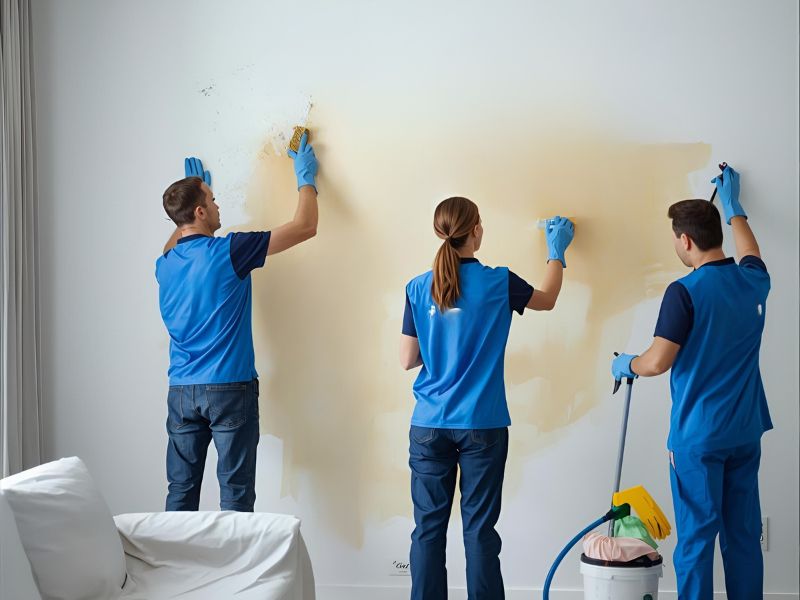
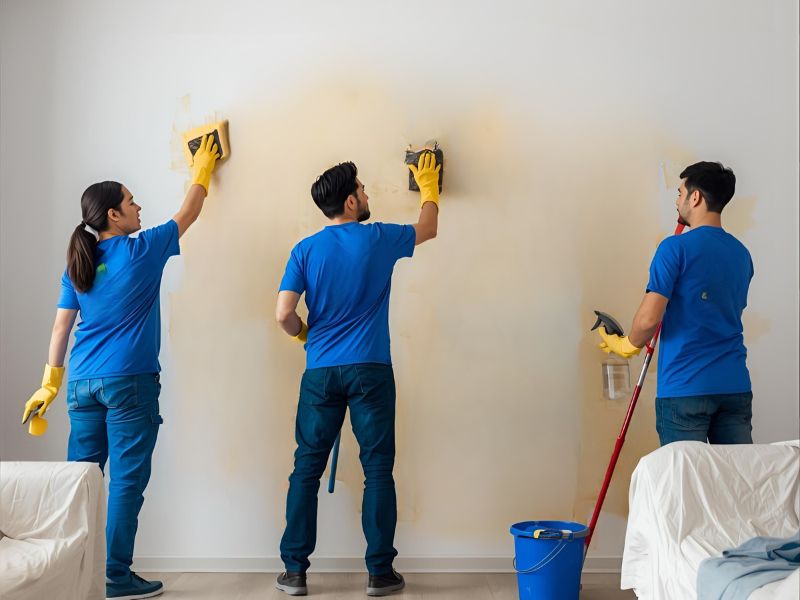
Nicotine stains are one of the most stubborn problems you'll face when cleaning your house. Years of smoking create yellow and brown marks on walls that seem impossible to shift. We'll show you exactly how to tackle these tough stains and get your walls looking fresh again.
🚬 Transform Your Cleaning Business
Specialist nicotine stain removal and cigarette smoke contamination techniques
🏢 Commercial Properties
🏠 Domestic Services
💨 Odour Elimination
🎯 Specialist Skills
Join Our Nicotine Cleaning Course
Stand out with professional odour removal skills
Understanding Nicotine Damage
Nicotine and tar in cigarette smoke don't just stain walls - they create a sticky film that clings to paint, ceilings, and even light fittings. Over time, walls exposed to smoke can turn yellow or brown, and the odour can seep deep into plaster, wood, and fabrics.
The smoke damage goes deeper than you might think. Standard soap and water often aren't enough, because nicotine residue is oily and needs stronger cleaning solutions to break it down. This is why regular cleaning products fail to remove nicotine stains properly.
What You'll Need Before Starting
Before you begin removing nicotine stains, gather these essential supplies:
Safety Equipment
First, protect yourself with rubber gloves to keep chemicals off your skin. Wear gloves throughout the cleaning process to avoid skin irritation. You should also wear old clothes that you don't mind getting dirty or damaged.
Cleaning Supplies
You'll need several cleaning agents for this job. Get white vinegar, baking soda, and dish detergent from your local shop. Pick up a spray bottle for mixing solutions, and grab both a soft cloth and clean cloth for wiping. A soft sponge works well for gentle scrubbing, while a scrub brush handles tougher spots.
For serious nicotine stains, you might need trisodium phosphate (TSP). You can find TSP at most hardware stores. Some people ask "how much water" to mix with cleaners - we'll cover exact measurements later.
Don't forget a drop cloth to protect your furniture and floor from drips and splashes.
The Step-by-Step Cleaning Process
Step 1: Prepare Your Room
Start by moving furniture away from walls or cover everything with a drop cloth. Open windows to help with ventilation - you'll be working with strong cleaning solutions that create fumes. Make sure the room has good airflow before you start.
Check that your walls are painted, not wallpapered. These methods work best on painted surfaces. If you have wallpaper, test any cleaning product on a small, hidden area first.
Step 2: Start with a Dry Cleaning Sponge
A dry cleaning sponge is your first weapon against nicotine stains. This special sponge works like an eraser to lift surface dirt and some smoke residue without water.
Wipe the sponge across the wall in long, straight lines. Don't press too hard - let the sponge do the work. You'll see it picking up the yellow and brown residue from cigarettes.
Replace or clean the sponge when it gets too dirty. This step removes loose particles and makes the wet cleaning more effective.
Step 3: Mix Your Cleaning Solution
For light nicotine stains, mix warm water with white vinegar. Use one part vinegar to three parts warm water in your spray bottle. Vinegar cuts through the sticky nicotine film better than plain water.
For heavier stains, make a paste with baking soda and warm water. Sprinkle baking soda directly onto stubborn spots, then add just enough clean water to make a thick paste.
Step 4: Clean the Walls
Spray your vinegar solution onto a section of wall about one metre square. Don't soak the walls wet - just dampen them enough to work with.
Use a soft cloth to wipe in circular motions, working from top to bottom. The nicotine will start coming off onto your cloth. Rinse the cloth frequently in clean water to avoid spreading the residue around.
For heavy stains, apply your baking soda paste and let it sit for five minutes. Then scrub gently with a soft sponge. The baking soda helps break down the sticky tar that regular cleaning misses.
Step 5: Tackle Stubborn Areas
Some areas might need stronger treatment. Mix a solution of dish detergent with warm water - one tablespoon per cup of water. This cuts through grease and helps lift stubborn nicotine stains.
For the worst stains, you might need trisodium phosphate. Follow the manufacturer's instructions carefully when mixing TSP. This powerful cleaner can handle even the toughest smoke damage, but it requires careful handling.
Step 6: Rinse and Dry
After cleaning each section, rinse with clean water using a clean cloth. This removes any cleaning residue that could interfere with paint later. Make sure you rinse thoroughly - leftover cleaning agents can cause problems when you paint.
Use a dry cloth to remove excess moisture. Let the walls dry completely before moving to the next step. Proper drying prevents mould and ensures good paint adhesion.
Step 7: Deal with Lingering Odours
Even after cleaning, you might notice the smell persisting in the room. Nicotine odours can be stubborn, which is why guides on how to remove nicotine smell from house often recommend natural remedies. Set bowls of white vinegar around the room overnight. Vinegar absorbs odours naturally.
For persistent smells, you might need an odour blocking primer before painting. These special primers seal in any remaining nicotine that could cause future staining.
Special Areas That Need Extra Attention
Cleaning Ceilings
Ceilings often have the worst nicotine stains because heat causes smoke to rise, making upper surfaces more heavily stained. Use the same cleaning methods, but work in smaller sections to avoid drips.
Take frequent breaks when cleaning ceilings - the work is tiring and you need to stay safe on ladders or step stools.
Windows and Light Fittings
Don't forget windows and light fittings. Nicotine creates a film on glass that reduces natural light. Clean windows with vinegar solution and wipe dry with a clean cloth, and if you’re wondering how to remove nicotine stains from uPVC window frames, a similar approach with the right cleaner can restore their brightness.
Remove light covers if possible and wash them separately. The smoking residue on lights can make rooms feel darker and dingy.
Carpets and Furniture
While you're cleaning walls, check your carpets for nicotine damage. Smoke particles settle into carpet fibres and can cause yellow staining. Professional carpet cleaning might be needed for severe cases.
Furniture also absorbs nicotine, especially fabric pieces. Consider professional cleaning for upholstered furniture in heavily smoked rooms.
Advanced Cleaning for Heavy Smoke Damage
In severe cases, professional-grade degreasers or trisodium phosphate (TSP) may be required to remove heavy nicotine build-up before repainting. These products are stronger than household cleaners but need careful handling.
When working with TSP, you can find TSP at hardware stores, but follow safety guidelines. The product information will tell you how to find security code for safe mixing. Always read labels before use.
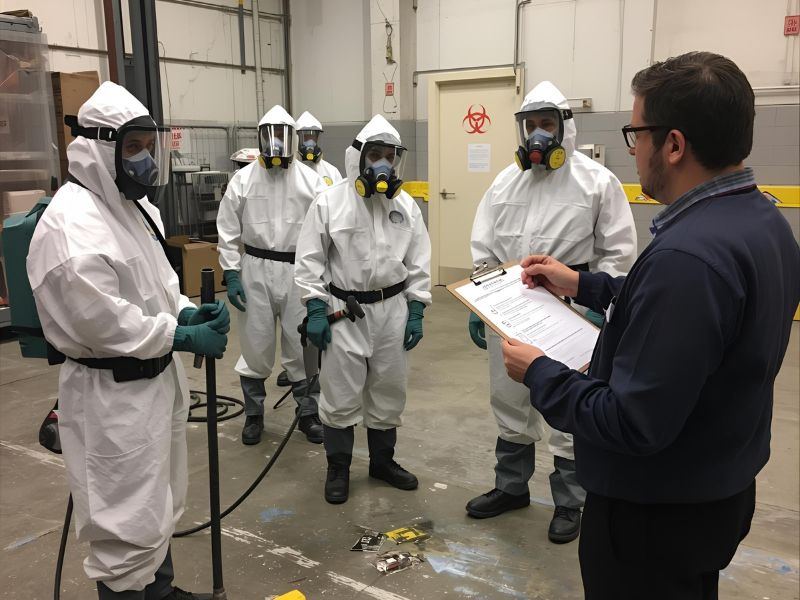
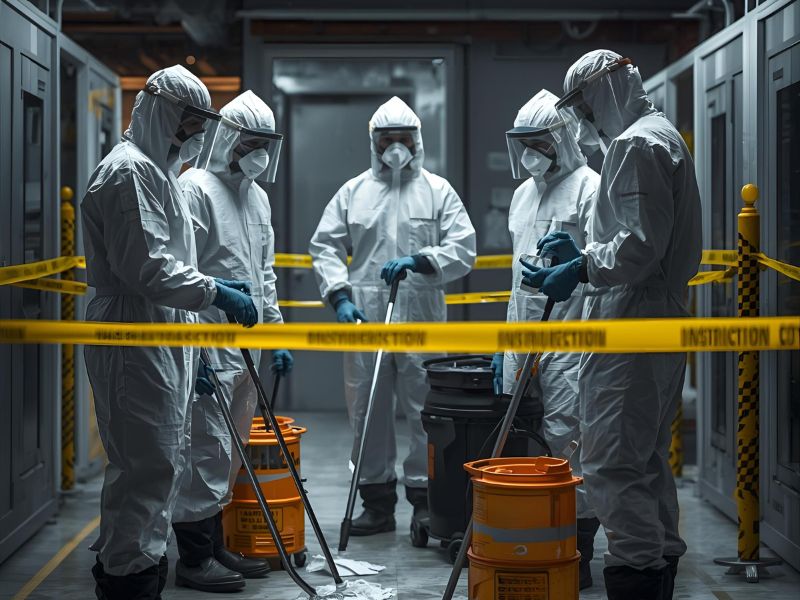
Professional cleaning services often combine chemical cleaning with odour-neutralising treatments to restore walls and remove the smoky smell completely. This might be worth considering for extreme cases.
🚬 Transform Your Cleaning Business
Specialist nicotine stain removal and cigarette smoke contamination techniques
🏢 Commercial Properties
🏠 Domestic Services
💨 Odour Elimination
🎯 Specialist Skills
Join Our Nicotine Cleaning Course
Stand out with professional odour removal skills
Preparing for Paint
Painting directly over nicotine-stained walls without cleaning usually leads to stains bleeding through, even after multiple coats of paint. That's why thorough cleaning is essential.
After cleaning and drying, inspect the walls carefully. Look for any areas you missed. Light staining might need a second cleaning round.
Apply an odour blocking primer before your final paint. This creates a barrier that prevents any remaining nicotine from bleeding through. Choose a primer designed for stain blocking.
The painting process goes smoothly when you've cleaned properly first. You'll need fewer coats of paint and get better results.
Tips for Different Types of Stains
Light Yellow Stains
For mild discolouration, vinegar and warm water usually work well. These light stains come from occasional smoking or second-hand smoke exposure.
Heavy Brown Stains
Dark brown marks need stronger treatment. Use baking soda paste or consider ammonia-based cleaners. These stains develop from years of heavy smoking in enclosed spaces.
Tar Spots
Sometimes you'll find actual tar spots on walls. These dark, sticky patches need special attention. Scrape gently with a plastic scraper before applying cleaning solutions.
When to Call Professionals
Nicotine-stained walls are a common issue for landlords and property managers, as they can significantly reduce the appeal and rental value of a property. Sometimes the damage is too extensive for DIY cleaning.
Consider professional help if:
- The stains cover large areas
- Previous attempts have failed
- You're dealing with rental property requirements
- Health concerns prevent you from using strong chemicals
Professional cleaners have commercial-grade equipment and chemicals that can handle the worst cases. They also know how to work safely with powerful cleaning agents.
Preventing Future Staining
Once you've cleaned your walls, think about preventing future damage. If smoking continues in the house, consider:
- Improved ventilation systems
- Regular cleaning schedules
- Air purifiers to capture smoke particles
- Designated smoking areas away from main living spaces
Health and Safety Considerations
Remember that nicotine residue is not just cosmetic - it can cause unpleasant odours that persist for years if not treated properly. The chemicals in tobacco smoke can affect indoor air quality long after smoking stops.
Always work in well-ventilated areas when using cleaning chemicals. Take breaks if you feel dizzy or nauseous. Some people are more sensitive to cleaning fumes than others.
Wash your hands thoroughly after cleaning, even when wearing gloves. Keep cleaning products away from children and pets.
Cost Considerations
Professional cleaning can be expensive, but sometimes it's worth the investment. Compare the cost of your time and materials against professional quotes. Factor in the value of your property when making this decision.
Budget cleaning supplies typically cost £20-50 for a whole house cleaning project. Professional services might charge £200-500 depending on the extent of damage and house size.
Final Steps and Maintenance
After completing your wall cleaning, maintain your results with regular dusting and occasional deep cleaning. This prevents new stains from building up.
Keep some white vinegar and baking soda on hand for spot cleaning. Address new marks quickly before they set in.
Document your cleaning process with before and after photos. This helps you see your progress and plan for any touch-up work needed later.
Remember that removing nicotine stains takes patience and the right approach. With proper preparation, the right cleaning agents, and thorough technique, you can restore your walls to their original condition. The effort you put in now will pay off with cleaner, fresher-smelling rooms that look and feel much better.
Ready to get started? Contact Biohazard Cleaning Courses today for a free quote on professional wall cleaning services that will have your property looking its best again.