Understanding Pest Control Licensing Requirements
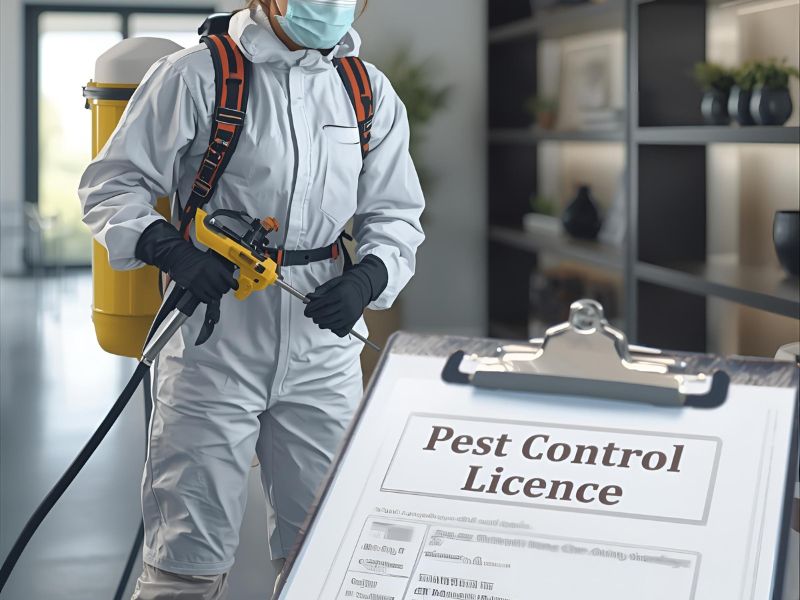
Getting into the pest control industry requires proper licensing and certification. In the UK, anyone who uses professional-strength pesticides or rodenticides is legally required to hold the appropriate training and certification. Understanding how to get a pest control licence is crucial for anyone entering this field, especially those interested in starting a pest control business UK, where compliance and reputation are key to long-term success. This isn't just a recommendation - it's a compliance issue that can result in fines of thousands of pounds and even criminal charges if not followed properly.
More than 30,000 people in the UK work in pest control or related services, and most hold at least a Level 2 qualification in pest management. The pest control business is worth over £20 billion annually globally, and proper pest control licence requirements ensure UK pest control technicians operate to recognised health and safety standards within this booming industry.
🐀 120 Million UK Rats Need Control
81 million brown rats create massive demand for professional pest control services
🐀 120M Rats
📈 Growing Demand
🎯 Professional Training
💼 Business Expansion
Start Our Pest Control Course
Critical training for expanding services
Types of Pest Control Work and Licensing Requirements
Standard Pest Control Operations
For most pest control jobs involving rodents like rats and mice, insects such as bed bugs, cockroaches, wasps, and other common pests, you don't need a specific permit from Natural England. However, professional pest control technicians do need proper pest control training and certification to purchase and use professional-grade pesticides and control methods to prevent pests effectively.
Pest control technicians are expected to cover a wide range of species - from rodents and insects to birds and even invasive plants. This means pest control licence applications often involve modules across multiple pest types to ensure comprehensive knowledge and safe practice. Professional pest control work requires understanding how to control pests across different habitats and wildlife environments.
Protected Species Work
Some pest control work does require specific permits from Natural England or Defra. These permits focus on the removal of protected species in the UK and fall into four categories:
General Licence covers low risk work such as catching wild birds for air safety purposes or great crested newts for research. You don't need to apply for these licences, but you must follow strict terms and conditions.
Class Licence is required for work that calls for specific skill or experience to avoid risks posed to protected species. Class licence applications include activities like surveying barn owls or releasing non native bumblebees for research in commercial settings.
Individual Licence covers any activity affecting a protected species not covered by the first two categories. These are issued for specific situations and locations.
Organisational Licence allows organisations to carry out certain activities affecting protected species across multiple sites.
Specialist Chemical Licences
Certain high-risk chemicals require additional certification. For example, using aluminium phosphide for vertebrate control demands an additional qualification due to the chemical's extreme toxicity. These specialist licences ensure pest control technicians understand the serious safety protocols required for dangerous substances, including poison handling and the safe use of specialised traps.
Essential Qualifications for Pest Control Licensing
RSPH Level 2 Award in Pest Management
The most common route into professional pest control is through the RSPH Level 2 Award in Pest Management. This recognised qualification fulfils the legal requirements set out in the Control of Pesticides Regulations 1986. The pest control course typically costs around £950 plus VAT per person and takes 105 hours to complete, including 54 hours of guided learning time.
This course covers three main units: vertebrate pests (like rodents), invertebrate pests (insects and other small animals), and health, safety and legal aspects. The syllabus includes management of rodents, non-rodent mammals, birds and invertebrates, along with health and safety protocols, accident prevention, legislation understanding, and customer care skills. The course helps students identify different pest species and understand the safe use of chemicals and equipment across various pest infestations.
Students learn about different animals and how to identify pest problems early, understanding methods to prevent pests from establishing in buildings. The course also covers how to get rid of pest problems safely and effectively, essential knowledge for anyone working in this professional field.
Alternative Qualification Routes
The British Pest Control Association offers BPCA-recognised certificates that many employers accept. BASIS PROMPT-recognised certificates also provide industry credibility and allow registration on schemes that act as quality content assurance marks for clients.
Many pest control training programmes can be completed in a matter of weeks, but practical experience is highly valued and often gained through supervised fieldwork. Most employers won't consider hiring a technician without proof of formal qualification, as insurance and liability policies demand it. A pest control business needs technicians with more experience to carry out complex pest control jobs effectively.
Finding Accredited Training Providers
Established Training Centres
Look for training providers approved by the Royal Society for Public Health (RSPH) or endorsed by the British Pest Control Association. These organisations maintain strict standards and ensure course content meets current industry requirements. If you're in the right place to start your career, consider centres that offer comprehensive pest control course options.
Popular training centres include Killgerm Training, PestWise, and various BPCA-approved providers. Each offers slightly different approaches, but all cover the essential knowledge needed for professional pest control work. A full list of approved centres is available through the RSPH website.
Online vs Classroom Learning
While online courses are available for basic pest control awareness, the RSPH Level 2 Award requires classroom learning and practical assessment. The hands-on elements are crucial for developing the skills needed to safely handle equipment and chemicals. Online course components can supplement classroom learning but cannot replace practical experience.
Quality classroom courses include practical demonstrations, case studies, and direct access to experienced instructors who can answer specific questions about real-world scenarios.
The Certification Process
Course Structure and Assessment
The RSPH Level 2 Award involves three written examinations, each requiring a 50% pass mark. Successful candidates who pass all three units receive the full qualification. Those who don't pass all units initially have their successful units held in credit for 12 months, requiring only failed units to be retaken.
The course covers critical topics including safe use of chemicals and equipment, identification of different pest species, integrated pest management approaches, customer communication, and legal responsibilities. Licensing courses often include elements on business practices, reflecting that pest control is as much about client trust as technical skill. Students learn to identify pest infestations early and understand methods to control pests effectively.
🐀 120 Million UK Rats Need Control
81 million brown rats create massive demand for professional pest control services
🐀 120M Rats
📈 Growing Demand
🎯 Professional Training
💼 Business Expansion
Start Our Pest Control Course
Critical training for expanding services
Continuous Professional Development
Once licensed, pest control technicians must maintain their qualifications through Continuous Professional Development (CPD) points. This ensures technicians stay up to date with legislation changes, new control methods, and evolving safety practices.
CPD points can be earned through additional training courses, attending industry seminars, subscribing to relevant trade publications, and participating in professional meetings. Many councils and housing associations specifically contract only with licensed pest control company operators, making ongoing certification essential for business opportunities. This system helps ensure technicians can carry out their duties safely and effectively.
Professional Registration and Industry Recognition
BASIS PROMPT Registration
The BASIS PROMPT Pest Controllers register provides independent proof that a pest controller has received proper training and continues to update their expertise. A valid pest control licence allows technicians to be registered on BASIS PROMPT, which acts as a quality assurance mark for clients.
Registration requires maintaining CPD points and demonstrating ongoing competence in the field. This professional recognition helps build client confidence and can lead to better business opportunities. Many pest control jobs now require BASIS PROMPT registration as a minimum standard.
British Pest Control Association Membership
BPCA membership offers additional credibility and ongoing access to training resources. The association maintains high standards for members, including regular inspections to ensure compliance with training requirements, insurance coverage, and proper chemical storage and use.
BPCA membership also provides support through technical guidance, industry updates, and networking opportunities with other pest control technicians in the sector.
Cost Considerations and Investment
Initial Training Costs
Expect to invest between £800 and £1,200 for initial RSPH Level 2 certification, including course fees, materials, and examination costs. Some employers may cover these costs for new employees, especially if there's a commitment to work for a specific period.
Additional costs may include travel to training centres, accommodation if courses require overnight stays, and any supplementary materials or equipment needed for practical assessments.
Equipment and Ongoing Expenses
Professional pest control requires investment in proper equipment, safety gear, and vehicles for mobile services. Many technicians start by working for established companies before developing the experience and capital needed to operate independently.
Ongoing costs include annual CPD requirements, professional insurance, licence renewals, and keeping up with new equipment and chemical regulations. These investments are essential for maintaining professional standards and legal compliance.
Starting Your Pest Control Career
Employment Opportunities
The pest control industry offers diverse career paths. Entry-level positions are available with established companies that provide on-the-job training alongside formal qualifications. Climate change and urbanisation are increasing demand for pest control services, making proper licensing more valuable than ever.
Experience in building trades, plumbing, electrical work, or general maintenance can provide valuable background skills. Good driving ability and customer interaction skills are also important, as pest control often involves visiting client premises and explaining treatments. Many technicians get involved in specialist areas like food safety consulting or environmental health compliance.
Building Professional Experience
Before offering independent services, new technicians typically complete three months of supervised fieldwork alongside experienced professionals. This practical experience is crucial for applying classroom knowledge in real-world situations.
Many successful pest controllers start with companies that provide comprehensive training programmes, then develop expertise in specific areas like rodent control, insect management, or specialist treatments for particular industries. Learning to get rid of pest problems effectively takes time and hands-on practice beyond classroom learning.
Business Development Opportunities
Established technicians can progress to supervisory roles, technical management positions, or start their own companies. Some specialise in areas like site surveys, training delivery, or working with specific sectors such as food processing or healthcare facilities. For many considering this career, researching pest control technician salary UK provides valuable insight into earning potential at different stages of progression.
The industry also offers opportunities to move into related fields like environmental health or food safety with additional training. Professional qualifications provide a solid foundation for these career developments.
Regional and Legal Considerations
Local Authority Requirements
While national qualifications provide the foundation, some local authorities may have additional requirements for pest control operations in their areas. Check with local environmental health departments for any specific regulations or registration requirements.
Some councils require contractors to be registered with specific schemes or hold particular insurance levels. Understanding these local requirements helps ensure full compliance and access to council contracts.
Insurance and Liability
Professional pest control work requires comprehensive insurance coverage, including public liability and professional indemnity insurance. Many insurance providers require evidence of proper training and ongoing CPD before offering coverage.
Unlicensed use of restricted pesticides can lead to serious legal consequences, especially if it results in environmental damage or risks to public health. Proper certification protects both technicians and their employers from these risks.
Preparing for Success in Pest Control
Essential Skills Development
Successful pest control technicians combine technical knowledge with strong problem-solving abilities and customer service skills. The work often involves explaining complex treatments to worried clients and providing reassurance about safety measures.
Attention to detail is crucial for identifying pest problems, selecting appropriate treatments, and following safety protocols. Physical fitness helps with accessing difficult areas and handling equipment safely.
🐀 120 Million UK Rats Need Control
81 million brown rats create massive demand for professional pest control services
🐀 120M Rats
📈 Growing Demand
🎯 Professional Training
💼 Business Expansion
Start Our Pest Control Course
Critical training for expanding services
Building Industry Connections
Joining professional associations like the National Pest Technicians Association or British Pest Control Association provides access to training resources, industry updates, and networking opportunities. These connections can lead to job opportunities, business partnerships, or mentoring relationships.
Attending industry events, trade shows, and training sessions helps stay current with new developments and build professional relationships that support career growth.
Getting proper pest control licensing opens doors to a stable, growing industry that provides essential services to businesses and homeowners. With the right training, professional approach, and commitment to ongoing development, pest control offers rewarding career opportunities across various specialisations and business models.
Ready to start your pest control career with proper licensing? Contact Biohazard Cleaning Courses today for expert guidance on certification requirements and training opportunities. Get your free quote for comprehensive pest control training that meets industry standards and regulatory requirements.