When flooding strikes your home, knowing how to dry out a house after water damage becomes crucial for protecting your property and family's health. Water damage creates urgent challenges requiring immediate action to prevent further damage and costly restoration issues.
Understanding the Critical First 48 Hours
When water damage occurs from a burst pipe, faulty plumbing, or heavy rain, time becomes your most valuable asset. Damp conditions allow mould to begin growing within 24 to 48 hours, making the drying process critically time-sensitive. Many property owners underestimate how quickly excess water and excess moisture penetrate building materials, creating problems that emerge weeks later.
Water seeps into hidden cavities within walls, under floor surfaces, and behind skirting boards. Simply opening windows and allowing fresh air circulation rarely addresses these hidden moisture pockets. The average UK household flood claim reaches £30,000, with much cost linked to delayed or inadequate drying. Studies show that property left damp for over 7 days suffers twice the structural damage compared to quickly dried buildings.
Water sources matter significantly. Clean water from a burst pipe requires different handling than contaminated flood water from heavy rain or sewage backup. Understanding these distinctions helps prioritise safety during your drying project. How long it takes to complete restoration depends on several factors including flooding extent, affected materials, and local weather conditions. Many property owners find that it varies dramatically based on the initial response and available equipment.
Immediate Safety Assessment and Preparation
Before beginning any drying process, ensure affected areas remain safe for entry. Turn off electricity to the flooded property at the main breaker, preventing electrical damage and electrocution risks. When standing water reaches outlets or appliances, contact qualified electricians before proceeding with any repair work.
Examine the property for structural damage that might compromise safety. Sagging ceilings, warped walls, or damaged floor areas indicate serious issues requiring professional assessment. Document everything photographically for your insurance company, but never prioritise documentation over personal safety when dealing with extensive damage.
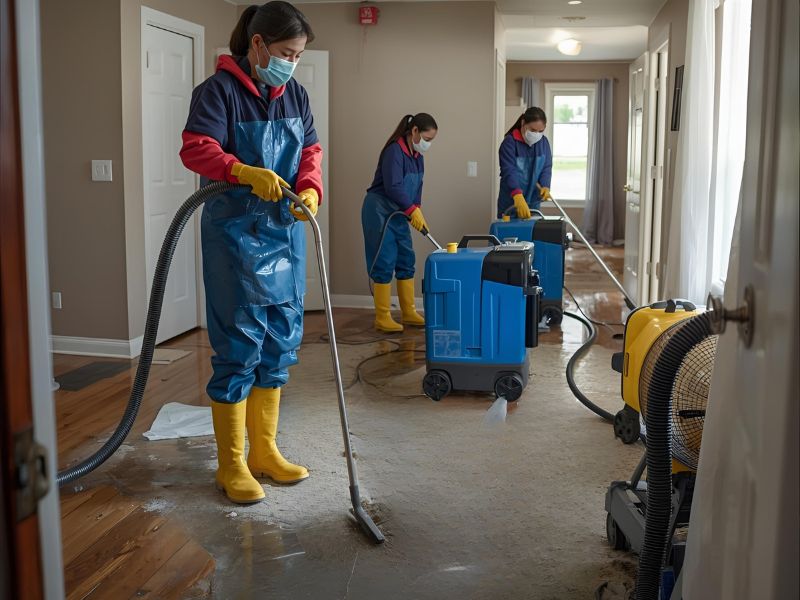
Wear appropriate protective equipment including waterproof boots, gloves, and masks, especially when handling contaminated water. Open windows and doors to begin air circulation, but avoid electrical fans in wet areas until electricity safety is confirmed.
💧 £1.8 Billion Insurance Claims Market
1 in 5 UK homes affected - master restoration techniques for massive opportunity
🏠 1 in 5 Homes
💰 £1.8B Claims
🎯 CPD Training
🌊 Storm Damage
Start Water Damage Restoration Training
Turn flood emergencies into profitable contracts
Removing Standing Water and Excess Moisture
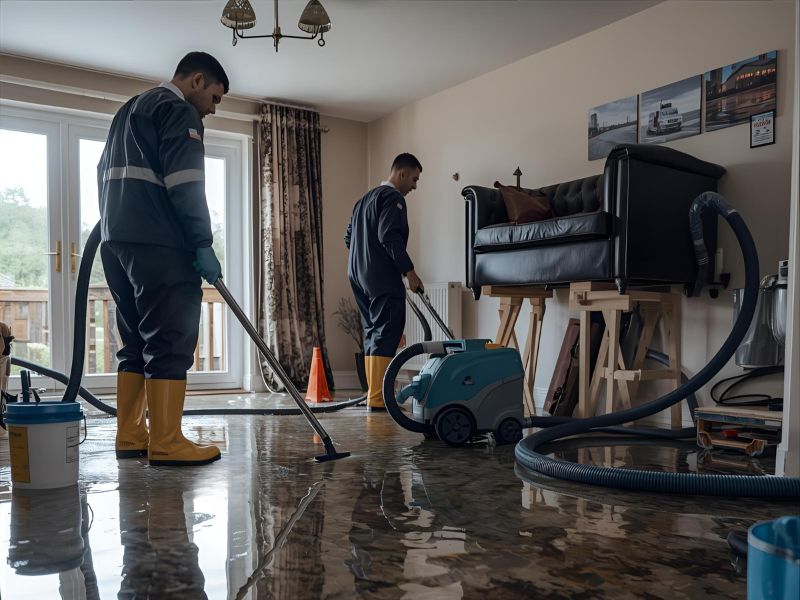
Your first priority involves removing as much standing water as possible using proper equipment. For smaller amounts, a wet dry vacuum works effectively, while larger volumes need submersible pumps or professional extraction services. Work systematically from the furthest point toward your exit, avoiding contamination of dry areas during the process—an essential step for anyone learning how to remove water from a flooded room safely and efficiently.
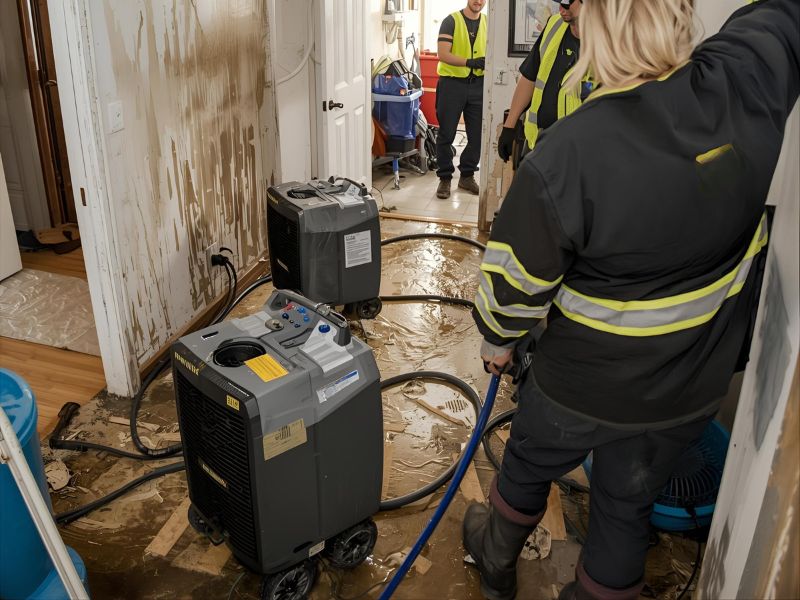
Professional companies use industrial air movers with dehumidifiers - one system evaporates moisture while the other captures humid air, creating cycles that accelerate drying. Property owners handling smaller incidents should focus on removing visible water before addressing hidden moisture in walls and affected areas.
To remove excess moisture effectively, pay attention to natural pooling areas. Basements, ground floors, and locations near the water supply often retain more water than initially apparent. Remove wet carpets and padding soon as possible, as these materials harbour bacteria and mould growth while slowing the overall drying process.
Identifying and Addressing Hidden Moisture
Hidden moisture threatens your property long-term. Water travels through building materials, settling in wall cavities, beneath flooring, and within wet insulation. A moisture meter proves invaluable for detecting hidden pockets, though professional thermal imaging provides comprehensive assessment for water damaged properties.
Check behind furniture, inside wardrobes, and under stairs where air circulation remains limited. Remove wet insulation immediately, as saturated material loses effectiveness and becomes a breeding ground for mould. Drilling small holes in walls helps release trapped moisture, though this requires careful consideration of electrical wiring and plumbing locations.
Several factors influence moisture spread through affected rooms. Building age, construction methods, and existing ventilation impact water retention patterns. Modern homes with vapour barriers may trap moisture longer than older buildings with natural air circulation through materials. When dealing with wet areas, ensure proper moisture assessment before beginning the drying process.
Creating Effective Air Circulation
Fresh air circulation accelerates natural drying by replacing humid air with dry air from outside. Open windows on opposite sides of each affected room, creating cross-ventilation, but monitor outdoor humidity levels. During high outdoor humidity periods, mechanical dehumidification proves more effective than natural air circulation.
Position fans strategically to move air across wet surfaces rather than circulating damp air within spaces. Direct airflow under furniture and into corners where humid air naturally accumulates. Industrial air movers outperform household fans, moving larger air volumes at higher velocities throughout the property.
Consider entire property airflow patterns. Creating negative pressure in affected areas prevents moist air from spreading to undamaged rooms. This approach requires careful balance between extraction and fresh air supply to maintain effective air circulation.
Professional Dehumidification Techniques
Professional-grade equipment removes up to 50 litres of moisture daily, compared to 5-10 litres from household units. Desiccant dehumidifiers work effectively in cooler UK temperatures, while refrigeration units perform better in warmer conditions.
Pressure drying systems create controlled negative pressure within wall cavities, forcing moisture out through strategic venting points. This latest technology proves particularly effective for timber frame construction common in modern UK developments. Pressure drying techniques significantly reduce time needed to fully dry water damaged items and structural elements.
Calculate appropriate dehumidifier capacity based on room size and moisture levels. Undersized equipment extends drying time significantly, while oversized units create excessive air movement disrupting settled debris. Professional assessment ensures proper equipment selection and placement for effective moisture removal and to extract moisture efficiently.
Advanced pressure drying methods can accelerate the process dramatically, particularly when combined with proper air circulation and temperature control.
💧 £1.8 Billion Insurance Claims Market
1 in 5 UK homes affected - master restoration techniques for massive opportunity
🏠 1 in 5 Homes
💰 £1.8B Claims
🎯 CPD Training
🌊 Storm Damage
Start Water Damage Restoration Training
Turn flood emergencies into profitable contracts
Material Assessment and Removal Decisions
Not all wet materials require immediate removal. Hardwood floor surfaces often survive water exposure when dried quickly, while laminate flooring typically needs replacement. Wet carpets hold litres of water even when feeling only slightly damp, making professional assessment valuable for expensive materials.
Drywall can often be saved if dried within 48 hours, though water wicking above flood lines may require partial replacement. Remove wet insulation immediately, as saturated material becomes ineffective and develops mould in hidden spaces. When you remove wet carpets and damaged materials, ensure proper disposal prevents contamination of other areas.
Hardwoods swell slower than softwoods, meaning some floor types appear unaffected initially but buckle weeks after exposure without proper drying. Professional assessment distinguishes between damaged materials requiring immediate removal and those suitable for in-place drying.
To remove wet padding and other items effectively, work systematically to prevent spreading contamination. Focus on removing moisture from salvageable materials while identifying damaged items requiring replacement.
Monitoring Progress and Ensuring Complete Drying
Use moisture meters tracking drying progress in walls, floor structures, and affected materials. Normal moisture levels vary by material type, generally ranging 6-12% for wood and 0.2-0.5% for concrete. Document readings daily ensuring steady progress toward targets for each affected room.
The drying process typically requires a few days to several weeks depending on water damage extent, weather conditions, and drying methods employed. How long does it take to achieve property dried status depends on these variables, though most affected areas show significant improvement within a few days of proper treatment.
Temperature and humidity control accelerate drying while preventing further damage. Maintain indoor temperatures between 15-25°C when possible, as warmer air holds more moisture. Monitor relative humidity levels, aiming for 30-50% throughout affected areas preventing mould development.
Insurance Claims and Professional Support
Contact your insurance company soon as possible after ensuring safety. Many policies require notification within specific timeframes, and delayed reporting complicates claims processing. Provide detailed documentation including photographs, video recordings, and written descriptions of affected areas and other items damaged by flooding.
Professional help becomes valuable for extensive water damage, contaminated water, or suspected structural damage. Restoration specialists bring experience, equipment, and expertise significantly reducing drying time and restoration costs. Property manager surveys reveal effective water damage restoration reduces costs up to 40%, since fewer materials need replacing, which also explains the growing interest from entrepreneurs researching how to start a water damage restoration business.
Maintain detailed records of emergency actions, professional services, and expenses related to water damage restoration. These records support insurance company claims and track effectiveness of different repair work approaches for future reference.
Preventing Mould Growth and Health Hazards
Mould contamination affects roughly 1 in 3 homes suffering water damage without proper drying. Preventing mould growth requires maintaining moisture levels below thresholds where spores germinate and spread throughout the property.
Clean and disinfect all affected surfaces once thoroughly dried. Use appropriate antimicrobial solutions for different materials, following manufacturer guidelines for dilution and application. Pay attention to porous materials that absorb contaminated flood water or other liquids during flooding events.
Monitor air quality throughout the restoration process. Persistent musty odours, visible mould on walls or surfaces, or respiratory symptoms among occupants indicate inadequate drying or hidden moisture problems requiring professional investigation. Address mould issues promptly to prevent long-term health complications.
Seasonal Considerations and Weather Impact
UK weather patterns significantly impact drying strategies year-round. Winter conditions with high humidity and limited natural ventilation require greater reliance on mechanical dehumidification. Summer provides better natural drying conditions but introduces complications from increased outdoor humidity during certain weather patterns.
Spring flooding events remain common across many UK regions, often occurring when ground conditions stay saturated from winter precipitation. Flash floods during spring slow natural drying and may require extended mechanical assistance achieving proper moisture levels and preventing damage caused by prolonged exposure.
Plan drying strategies around seasonal weather forecasts when possible. Extended high humidity periods may require adjusting equipment capacities or extending drying timelines achieving proper results for your property.
Cost Management and Equipment Options
Rental costs for professional drying equipment vary significantly across the UK, with daily rates for industrial dehumidifiers ranging £25-75 depending on capacity and location. Compare these costs against potential additional damage from inadequate drying when making equipment decisions for your drying project.
Many property owners find combining rental equipment with professional services provides optimal cost-effectiveness. Professionals handle initial assessment and setup while property owners manage ongoing monitoring and basic maintenance to limit water damage and reduce overall costs.
Consider long-term costs when evaluating repair versus replacement decisions. Water damaged items may appear functional initially but develop problems months later, potentially requiring more expensive remediation than immediate replacement costs.
For smaller incidents like a small leak, homeowners might manage the process independently, but larger flooding situations typically require professional intervention to prevent irreparable damage.
When to Seek Professional Help
Certain situations require professional intervention regardless of property owner experience or available equipment. Extensive flooding affecting multiple rooms, contaminated water from sewage or external sources, and suspected structural damage warrant professional assessment and management soon as possible.
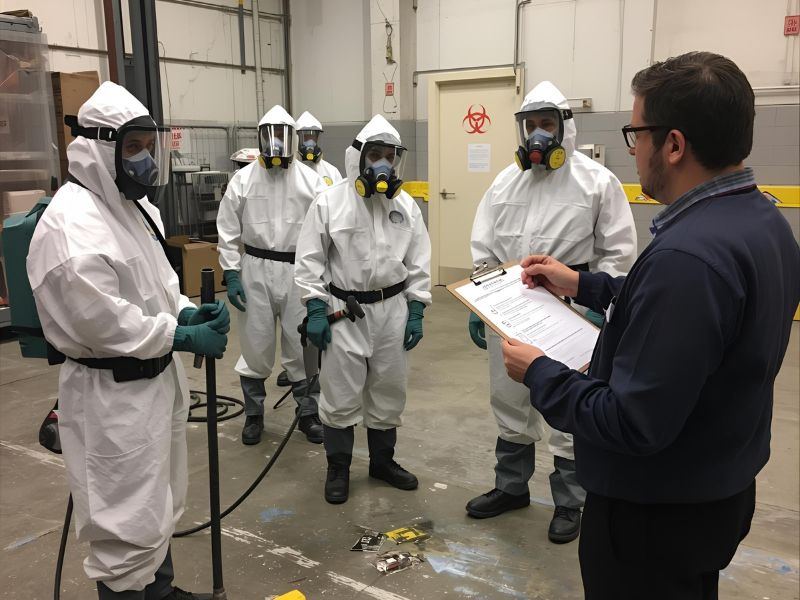
Professional restoration companies provide comprehensive water damage restoration services including emergency extraction, structural drying, moisture monitoring, and final verification. Their expertise ensures thorough restoration while minimising secondary damage and health risks from improper drying.
Professional help becomes essential when dealing with faulty plumbing systems causing recurring problems, water retention issues, or when damage extent threatens irreparable damage to structural elements or valuable possessions and other items.
The latest technology available to professionals includes advanced thermal imaging, industrial-grade pressure drying systems, and computerised moisture monitoring that tracks progress across multiple rooms simultaneously.
💧 £1.8 Billion Insurance Claims Market
1 in 5 UK homes affected - master restoration techniques for massive opportunity
🏠 1 in 5 Homes
💰 £1.8B Claims
🎯 CPD Training
🌊 Storm Damage
Start Water Damage Restoration Training
Turn flood emergencies into profitable contracts
Emergency Response and Prevention
Implement preventive measures reducing future water damage risks. Regular maintenance of plumbing systems, roof inspections, and gutter cleaning prevent many common causes of property flooding. Install water leak detection systems in vulnerable areas like basements, utility rooms, and near water supply connections.
Develop emergency response plans including contact information for restoration professionals, insurance representatives, and utility companies. Keep emergency supplies including flashlights, protective equipment, and basic extraction tools readily accessible for small leak incidents or larger emergencies.
Consider property modifications improving water resistance and drying capability. Better ventilation systems, improved drainage around foundations, and moisture-resistant materials contribute to faster recovery from future incidents and help achieve less damage overall.
Understanding how removing moisture quickly prevents secondary issues helps property owners make informed decisions about professional versus DIY approaches. When you remove wet materials promptly and maintain proper air circulation, you significantly reduce the risk of permanent structural problems.
Ready to take action on water damage restoration for your property? Understanding proper drying techniques protects your investment and ensures family safety, but complex situations often require professional expertise. For professional water damage restoration services and expert guidance on the latest technology available for restoration projects, contact Biohazard Cleaning Courses for a free quote. Our certified specialists provide comprehensive assessment and restoration services, helping property owners achieve complete recovery while minimising costs and health risks.