Learning how to get certified in biohazard cleaning requires completing accredited biohazard cleaning course programmes that provide comprehensive biohazard cleaning training. The process covers bloodborne pathogens, personal protective equipment protocols, and crime scene cleaning techniques. Certified professionals earn 10-20% more and access better career opportunities in this growing specialist industry.
Understanding Biohazard Cleaning Certification
Biohazard cleaning certification proves you possess the knowledge and skills needed to safely handle potentially infectious material and biohazardous materials. For anyone asking how to become a biohazard cleaner, this specialist industry requires specific training to manage serious health risks associated with bodily fluids, hazardous materials, and crime scenes.
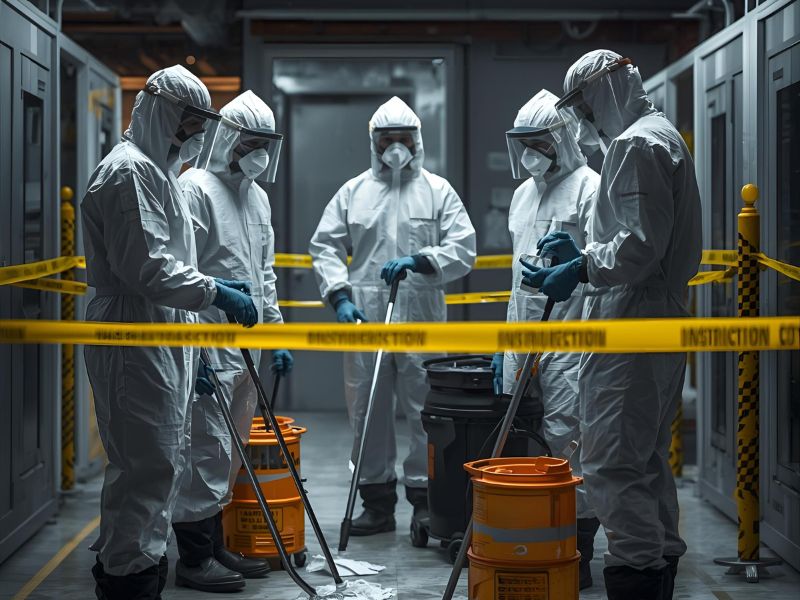
The certification process through a comprehensive biohazard cleaning course teaches essential skills for trauma cleaning, extreme cleaning, and crime scene cleanup situations. Professional crime scene cleaners must understand safety protocols and decontamination procedures to protect themselves and others from health risks when working in this specialised field.
Industry professionals recognise that proper training in biohazard cleaning is crucial because improper handling of infectious material can lead to severe consequences. A sound educational background combined with professional cleaning training ensures you can work safely and competently in various crime scenes and trauma sites.
Types of Biohazard Training Available
Foundation Level Training Courses
Entry-level training courses introduce the fundamentals of biohazard cleaning through structured learning programmes. These cleaning course options typically last 1-2 days and cover basic safety knowledge about different types of biohazardous materials and essential safety protocols needed for the cleaning industry.
Foundation courses cover the theoretical knowledge required for handling potentially infectious material and provide an introduction to the specialist cleaning field. Students learn skills that form the foundation for more advanced biohazard training course opportunities.
Advanced Biohazard Training Course Programmes
Advanced biohazard training course programmes dive deeper into complex procedures for extreme cleaning scenarios and trauma sites. These comprehensive training courses span 3-5 days and include hands-on experience with real-world crime scene cleaning situations that professional cleaning experts encounter.
Advanced training ensures participants develop the safety knowledge and practical skills needed for challenging biohazard cleanup situations. The certification program includes extensive coverage of decontamination procedures and proper handling techniques for various biohazardous materials.
💰 Turn £20 Into a £3 Million Cleaning Business
Learn biohazard cleaning and earn more from one contract than traditional cleaners make in weeks
✅ 3000+ Certified
🏆 CPD Accredited
📈 Premium Rates
🎯 Face-to-Face & Virtual
Start Biohazard Cleaning Training Course
Join the 1% of cleaners earning specialist rates
Specialist Biohazard Cleanup Training
Some providers offer specialist biohazard cleanup training for specific areas like unattended death cleaning, trauma cleaning, or sanitising buildings after contamination incidents. These focused cleaning course options help build expertise in particular areas of the specialist cleaning industry.
Specialist training covers extreme cleaning called for in the most challenging situations, including collecting hypodermic needles safely and managing trauma scenes with multiple types of potentially infectious material present.
CPD Accredited Course Programmes
Many cleaning course providers offer CPD accredited training that meets strict industry standards for professional development. A CPD certified course adds credibility to your certification and demonstrates your commitment to excellence in the cleaning industry.
CPD accredited course options ensure participants receive training that meets current industry standards and provides recognition throughout the professional cleaning sector. These courses held at various locations provide convenient access to quality education.
Essential Skills Covered in Training
Bloodborne Pathogens and Blood Borne Pathogens Safety
Training courses teach you to safely handle blood borne pathogens and other potentially infectious material found in crime scenes and trauma sites. You learn about transmission risks, proper handling techniques, and how cleaning infectious material requires specific procedures to prevent contamination and control safety issues related to exposure.
Understanding bloodborne pathogens transmission helps participants work safely when dealing with bodily fluids and other infectious material. The training covers legal requirements for handling such materials and ensures certification compliance with health regulations.
🩸 Master Bodily Fluid Safety Protocols
Essential spill kit training and COSHH compliance for workplace safety
⚡ Reduces Exposure 80%
📋 COSHH Compliant
🎯 CPD Accredited
🛡️ Safety First
Start Bodily Fluid Cleaning Training
Protect your team with professional training
Personal Protective Equipment Protocols
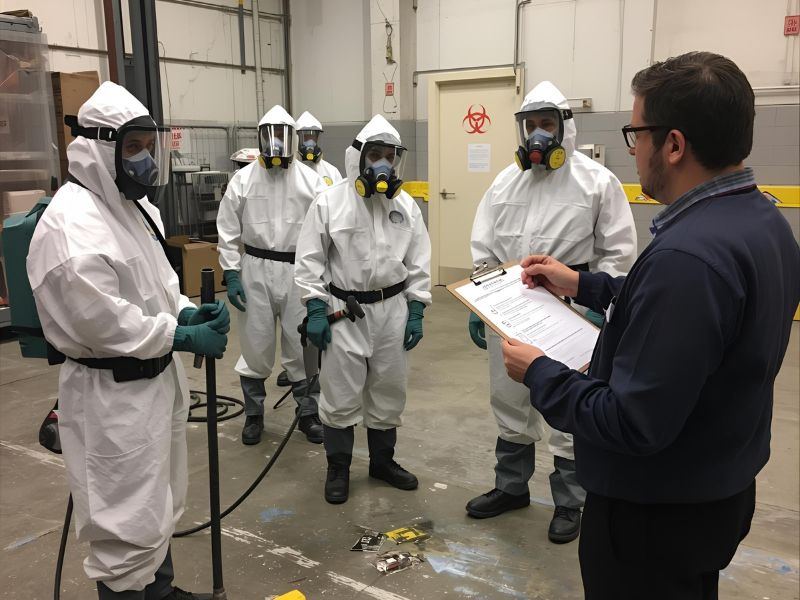
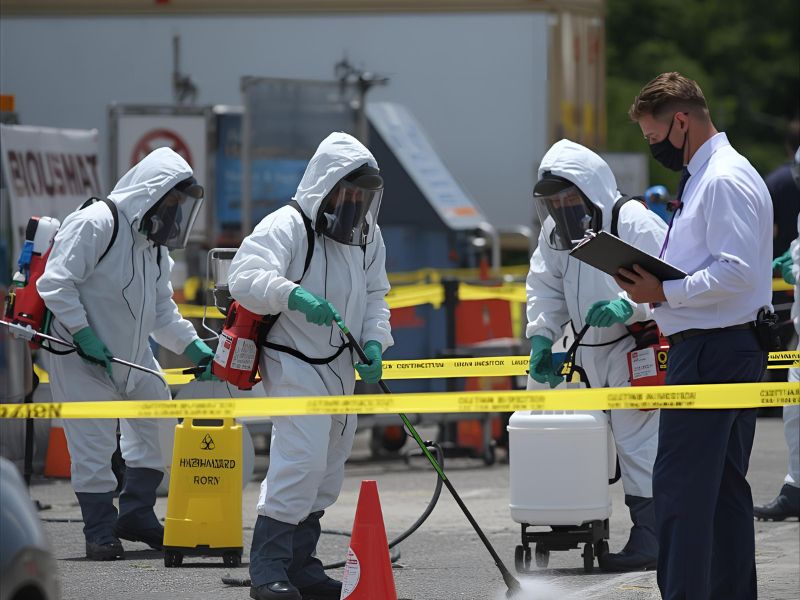
Proper use of personal protective equipment is fundamental to biohazard cleaning training success. Training courses cover selecting appropriate equipment for different crime scenes, correct application procedures, and safe removal techniques to prevent exposure to harmful substances.
Participants learn the proper use of protective gear and how certification ensures they can work safely in challenging environments. The training emphasises that proper training in PPE protocols significantly reduces health risks for biohazard cleanup professionals.
Hazardous Materials Management
Biohazard cleaning course content includes identifying different hazardous materials and appropriate safety measures for each type. This covers chemical hazards, biohazardous materials, and sharp objects like hypodermic needles that require careful handling when collecting hypodermic needles from crime scenes.
Students learn to recognise various types of hazardous materials and understand the specific protocols for safely dispose of contaminated items. The training covers both common and unusual harmful substances that may be encountered during biohazard cleaning operations.
Decontamination Procedures and Techniques
You learn systematic decontamination procedures for areas affected by bodily fluids and other biohazardous materials. Training courses cover proper cleaning sequences, chemical selection, and verification that trauma sites are safe for reoccupation by the public.
Advanced decontamination procedures include multiple stages of cleaning and verification to ensure complete removal of biohazardous materials from trauma scenes. Professional cleaning experts use specialised equipment and techniques to restore areas to safe conditions.
Legal Requirements and Safety Regulations
Biohazard cleaning training includes comprehensive coverage of legal requirements governing the specialist industry. This includes health and safety regulations, waste disposal requirements, and how to safely dispose of contaminated materials according to current safety regulations that control safety issues related to public health protection.
Training covers the regulatory framework that governs professional cleaning operations and ensures participants understand their legal obligations when working with potentially infectious material. Knowledge of legal requirements helps prevent violations and protects both workers and the public.
Crime Scene and Trauma Scene Management
Many certification program options include trauma scenes training that covers both technical and psychological aspects of working in challenging environments. For those asking how do I become a crime scene cleaner, professional training ensures individuals learn appropriate behaviour and communication skills for dealing with sensitive situations involving family members and law enforcement.
Trauma sites present unique challenges that require specialised knowledge and emotional resilience. Training helps participants develop the safety knowledge and professional skills needed to work effectively in these demanding situations while maintaining respect for all involved.
🚨 Crime Scene Cleaning: 12% Rise in Demand
Join the specialists earning premium rates in this essential service industry
💰 £775 Face-to-Face
💻 £579 Virtual
🏆 CPD Certified
📈 Growing Sector
Join Our Crime Scene Cleaner Courses
Master trauma cleaning with professional expertise
Leading Training Providers
Ultima Cleaning Academy Services
Ultima Cleaning Academy offers comprehensive biohazard cleaning course programmes that combine theoretical knowledge with practical experience. Their training courses provide industry-recognised certification and cover all aspects of specialist cleaning operations that prepare students for real-world challenges.
Choose Ultima Cleaning Academy for expert advice and comprehensive biohazard cleaning training that prepares you for the demands of professional cleaning work. Their experienced instructors are industry specialists who understand the requirements of running a successful cleaning business in this competitive market.
The academy's courses cover essential topics including bloodborne pathogens safety, proper handling of biohazardous materials, and advanced techniques for extreme cleaning situations. Students learn skills that enable them to work safely and efficiently in various crime scenes and trauma cleaning scenarios.
National Academy Programmes
Several national academy institutions provide standardised biohazard training course options across the UK. These certification program providers ensure consistent quality and recognition throughout the specialist industry while maintaining high educational standards.
National programmes often feature collaborations with industry specialists who bring real-world experience to the classroom. These training courses ensure participants receive comprehensive education that meets current industry standards and prepares them for career opportunities in specialist cleaning.
Regional Training Centres
Local training centres, including those in West Wales, offer accessible cleaning course options for people who cannot travel long distances. These centres provide the same quality biohazard cleaning training as larger institutions while offering personalised attention and flexible scheduling.
Regional providers understand local market conditions and can offer expert advice about job opportunities in their specific areas. Many courses held at regional centres include networking opportunities with established professionals in the cleaning business.
Ultima Environmental Training Options
Ultima Environmental provides specialised training that focuses on environmental aspects of biohazard cleaning operations. Their courses held at various locations cover advanced techniques for extreme cleaning called upon in challenging environmental situations that require specialised knowledge.
Environmental training includes topics such as contamination assessment, air quality monitoring, and advanced sanitising buildings techniques. These skills complement traditional biohazard cleaning training and expand career opportunities for certified professionals.
Step-by-Step Certification Process
Research Accredited Providers
Start by researching CPD accredited providers who offer comprehensive biohazard cleaning course options that meet industry standards. Look for training courses that are recognised by industry professionals and provide the knowledge needed for successful careers in specialist cleaning.
Evaluate different certification program options to find training that matches your career goals and learning preferences. Consider factors such as course duration, cost, location, and the specific skills covered in each biohazard training course.
Select Appropriate Training Level
Choose a cleaning course that matches your experience and career goals in the cleaning industry. Beginners should start with foundation-level biohazard training course options, while experienced cleaners might progress directly to advanced certification program levels.
Consider your current knowledge and experience when selecting training courses. Those with a background in general cleaning may find they can accelerate through some sections, while complete beginners need comprehensive coverage of all safety protocols.
Complete Application Process
Apply for your selected biohazard cleaning course and arrange payment according to the provider's requirements. Training typically costs £300-£1,500 depending on the certification program level, duration of the cleaning course, and additional materials included.
Most providers require completion of application forms and may request proof of basic education or previous experience in the cleaning industry. Some advanced courses may have prerequisites that must be met before enrollment.
Attend Comprehensive Training Sessions
Participate fully in all biohazard cleaning training sessions to maximise your learning and ensure proper preparation. Courses cover bloodborne pathogens safety, proper handling of hypodermic needles, safety protocols for trauma cleaning, and techniques for extreme cleaning situations in various crime scenes.
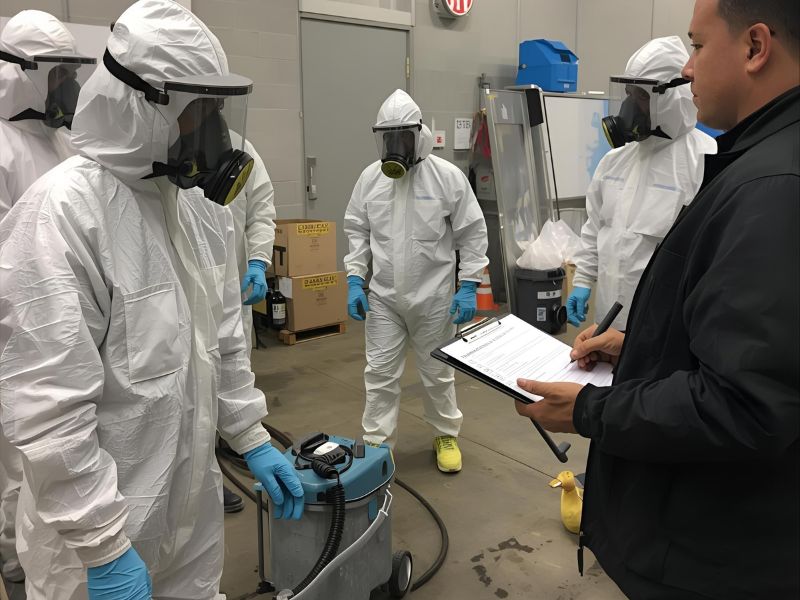
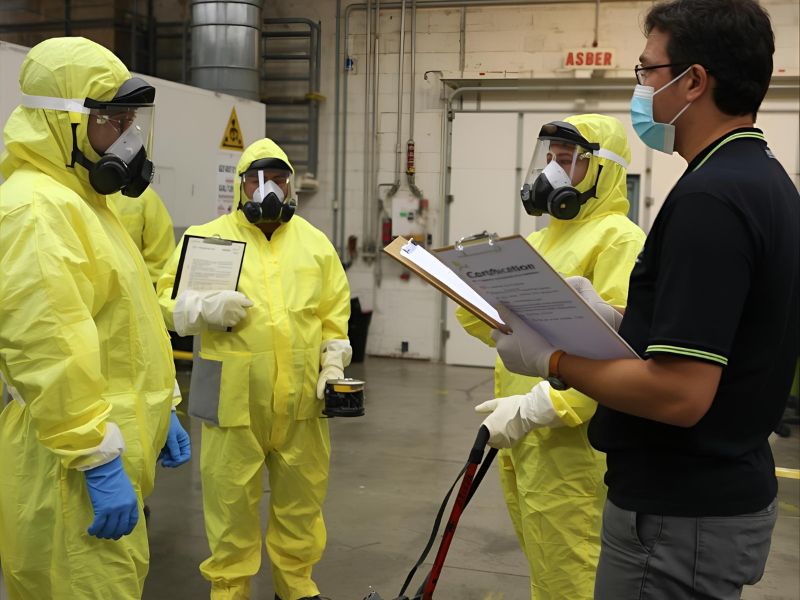
Training sessions combine theoretical knowledge with practical exercises that simulate real-world conditions. Participants learn skills through hands-on practice with industry-standard equipment and procedures used by professional crime scene cleaners.
Demonstrate Required Skills
Complete practical assessments that test your ability to work safely with biohazardous materials, apply decontamination procedures correctly, and use personal protective equipment properly. You must show competency in all areas covered by the biohazard training course to receive certification.
Assessment criteria typically include demonstration of safety protocols, proper handling techniques, and knowledge of legal requirements. Certification ensures you meet industry standards and can work as one of the certified professionals in this specialised field.
Receive Certification Documentation
Upon successful completion, receive your certification that confirms your knowledge and training in biohazard cleaning operations. The certification provides evidence of your competency to potential employers and clients in the cleaning business.
Maintain Ongoing Certification Status
Participate in refresher training courses every 1-3 years to maintain your certification and stay current with evolving practices. The specialist industry requires ongoing education to keep up with safety regulations and new techniques in biohazard cleaning operations.
Career Opportunities in Specialist Cleaning
Employment Prospects for Trained Professionals
Certified biohazard cleanup professionals have access to growing job opportunities in the specialist cleaning sector. The cleaning business has expanded significantly, with increased demand for trained professionals who can handle trauma cleaning and extreme cleaning situations safely and effectively.
Employment options include working for established cleaning companies, government agencies, healthcare facilities, and insurance companies that require specialist cleaning services. Many positions offer several benefits including comprehensive training, competitive salaries, and opportunities for advancement.
Salary Benefits of Certification
Biohazard cleaning training provides several benefits including higher earning potential compared to general cleaning roles. Certified professionals typically earn 10-20% more than non-certified workers, reflecting the advanced skills needed for handling crime scenes and trauma sites safely. For those wondering how much is a biohazard cleanup salary in the UK, these figures highlight the clear financial advantages of specialist training.
The specialist nature of the work commands premium rates, and clients are often willing to pay more for certified professionals who can guarantee safe and effective cleaning. This creates excellent job opportunities for those with proper training and certification.
Contract Opportunities Available
Certification opens doors to contracts with police forces, councils, housing associations, and funeral directors. These opportunities often provide more stable income for cleaning business operators and biohazard cleanup professionals seeking consistent work.
Government contracts often require proof of certification and insurance, making qualified professionals essential for securing these lucrative opportunities. Many certified professionals find these contracts provide the foundation for building successful cleaning business operations.
Starting Your Own Cleaning Business
Many certified professionals eventually establish their own cleaning business focused on specialist services such as crime scene cleanup and trauma cleaning. For those exploring how to start a biohazard cleaning business, certification provides credibility with clients and insurance companies, making it easier to secure contracts and build a reputation.
Running a cleaning business requires additional skills beyond technical competency, including marketing, customer service, and financial management. However, the specialist nature of biohazard cleaning often allows for higher profit margins than general cleaning services.
Industry Standards and Professional Requirements
Health and Safety Compliance
Certified professionals must maintain current knowledge of health and safety requirements affecting the cleaning industry. This includes staying updated on safety regulations that control safety issues related to biohazardous materials and infectious material handling in workplace environments.
Compliance with health and safety standards protects both workers and clients while reducing liability risks for cleaning business operators. Regular training updates ensure professionals stay informed about changes in safety regulations and best practices.
Continuing Professional Development
The specialist industry evolves with new safety protocols and techniques for biohazard cleaning operations. Ongoing training ensures professionals maintain their theoretical knowledge and practical skills needed for effective crime scene cleaning and trauma scenes management.
Professional development opportunities include advanced courses, industry conferences, and specialised workshops that cover new technologies and techniques. This continued learning helps certified professionals stay competitive in the job market.
💰 Turn £20 Into a £3 Million Cleaning Business
Learn biohazard cleaning and earn more from one contract than traditional cleaners make in weeks
✅ 3000+ Certified
🏆 CPD Accredited
📈 Premium Rates
🎯 Face-to-Face & Virtual
Start Biohazard Cleaning Training Course
Join the 1% of cleaners earning specialist rates
Insurance and Professional Liability
Certification helps when obtaining professional insurance and reduces liability risks for cleaning business operators. For those wondering what insurance do I need for biohazard cleanup, insurance companies recognise that proper training reduces the likelihood of accidents and contamination incidents during cleaning operations.
Professional liability coverage is essential for anyone working in biohazard cleaning, as the potential for costly mistakes or accidents is significant. Certification demonstrates competency and can result in lower insurance premiums.
Quality Standards Maintenance
Certified professionals must maintain high standards in their work through proper use of equipment, following established decontamination procedures, and ensuring client satisfaction in all specialist cleaning projects.
Quality maintenance includes regular equipment maintenance, proper documentation of work performed, and ongoing communication with clients to ensure their needs are met effectively and safely.
Get Your Free Quote from Biohazard Cleaning Courses Today
Ready to learn skills that will advance your career in the growing specialist cleaning industry? Biohazard Cleaning Courses offers comprehensive biohazard cleaning course programmes designed to provide all the knowledge and training needed for success in this rewarding field.
Our expert instructors deliver hands-on biohazard cleaning training covering all aspects from basic safety protocols to advanced trauma cleaning techniques. We provide thorough education in bloodborne pathogens safety, proper use of personal protective equipment, and effective decontamination procedures for all types of crime scenes and trauma sites.
Our CPD certified course options ensure you receive recognition throughout the cleaning industry and meet current professional standards. Whether you're starting fresh or looking to expand your existing cleaning business, our training courses provide the foundation for a successful career as one of the industry's certified professionals.
Contact Biohazard Cleaning Courses today for your free consultation and course quote. We'll help you choose the right certification program for your career goals and provide expert advice on advancing in this vital specialised field that offers excellent career opportunities and financial rewards.