Learning how to become a biohazard cleaner opens doors to one of the most specialised niches in the UK cleaning industry. This field covers crime scene cleaning, trauma scenes, hoarding situations, and hazardous waste removal. The rewarding career path offers both personal fulfilment and financial stability for those prepared to work in potentially hazardous environments while helping people during their most difficult times.
💰 Turn £20 Into a £3 Million Cleaning Business
Learn biohazard cleaning and earn more from one contract than traditional cleaners make in weeks
✅ 3000+ Certified
🏆 CPD Accredited
📈 Premium Rates
🎯 Face-to-Face & Virtual
Start Biohazard Cleaning Training Course
Join the 1% of cleaners earning specialist rates
What Is Biohazard Cleaning
Biohazard cleaning involves the professional restoration of areas contaminated by biological materials, chemicals, or other dangerous substances. We handle everything from crime scene cleaning and trauma cleaning to unattended deaths, decomposition cleaning, and cleaning infectious material. This specialist cleaning requires teams to work with bloodborne pathogens, bodily fluids, and biohazardous materials while maintaining strict health and safety protocols.
The work extends beyond basic cleaning. Specialist cleaners must remove all traces of biological contamination from crime scene locations while showing respect for those affected by traumatic events. Crime scene cleaning forms a significant portion of our work, where we encounter various trauma scenarios requiring different approaches and methods.
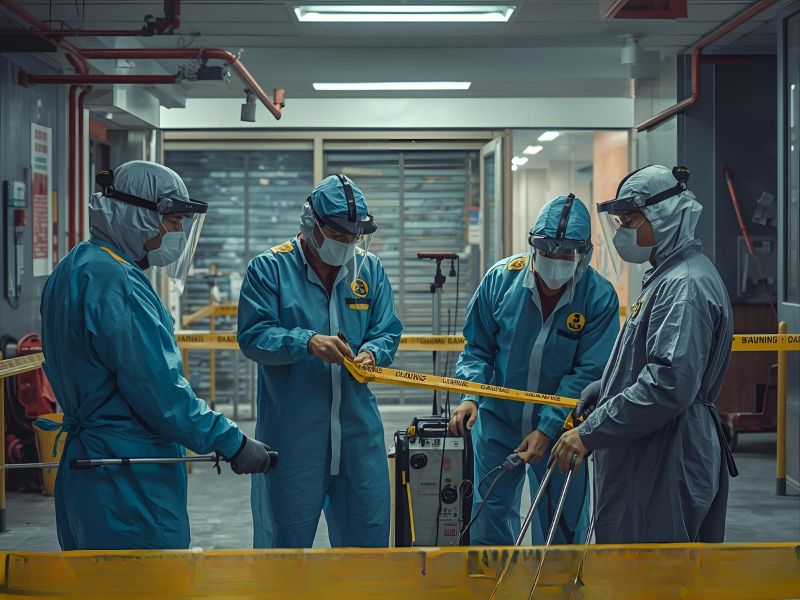
Crime scene cleaning business operations involve assessing contaminated areas, developing appropriate cleaning protocols, and executing thorough decontamination procedures. Each crime scene presents unique challenges, from violent incidents to unattended deaths that may have occurred over extended periods.
Understanding the Role and Responsibilities
A biohazard cleaner takes on responsibilities that extend far beyond traditional cleaning roles. The job requires both technical expertise and emotional resilience, as over 70% of biohazard cleaners report that psychological strength proves just as important as technical training.
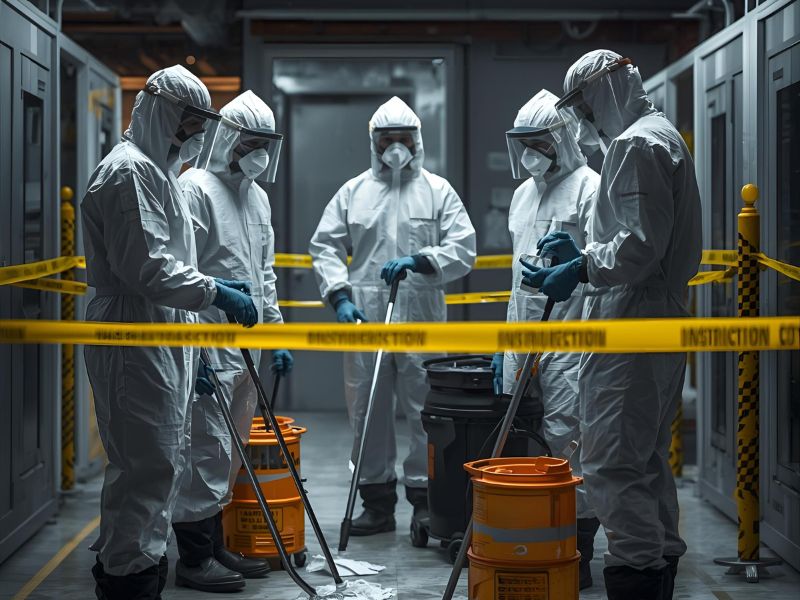
Daily tasks include evaluating crime scene locations, selecting appropriate personal protective equipment, safely removing contaminated materials, and sanitising buildings to health department standards. We also handle sharps removal, including collecting hypodermic needles, and ensure proper disposal through licensed hazardous waste carriers.
The role demands excellent attention to detail, as missing even small amounts of infectious material can pose serious health risks. We work closely with emergency services, insurance companies, and families affected by traumatic events. Those who become a crime scene cleaner must develop strong communication skills and sensitivity to support clients during their darkest hours.
Crime scene cleaning requires us to work with various types of contamination, from blood and other bodily fluids to chemical spills and biohazardous materials. The extreme cleaning called for in these situations demands both physical and mental strength.
Essential Skills and Qualities Needed
Becoming a successful biohazard cleaner requires a specific combination of technical abilities and personal qualities. Being physically fit plays a crucial role, as the work involves lifting heavy equipment, working in confined spaces, and wearing protective gear for extended periods. Team members must also demonstrate strong problem-solving abilities when faced with unique cleaning challenges.
The essential skills needed for this profession include emotional stability, attention to detail, and the ability to follow strict safety procedures. We regularly encounter scenes of violence, death, and human suffering. The ability to compartmentalise emotions while maintaining professional compassion helps us provide vital services to families during their most difficult times.
Crime scene cleaning demands excellent attention to detail. Missing contaminated areas or failing to follow proper procedures could expose others to dangerous pathogens or legal liability. We must also possess strong communication skills to work effectively with law enforcement, medical professionals, and grieving families.
The skills needed also encompass knowledge of health and safety regulations, particularly COSHH requirements, which forms the foundation of competent practice. Understanding infectious diseases, chemical handling, and proper disposal methods ensures both personal safety and regulatory compliance.
Training and Qualification Requirements
While no formal university degree is required to become a crime scene cleaner, specialist training courses prove essential for safe and effective practice. Most professionals complete comprehensive biohazard cleaning training covering bloodborne pathogens, cleaning infectious material, and personal protective equipment usage. For those asking how to get certified in biohazard cleaning, these structured programmes provide the necessary foundation.
The National Academy of Cleaning Excellence and Ultima Cleaning Academy offer specialist training programmes specifically designed for the specialist industry. These training courses typically cover crime scene cleaning protocols, trauma cleaning procedures, and waste disposal regulations. Participants learn skills alongside theoretical knowledge about health risks and legal requirements.
To choose Ultima Cleaning Academy or similar providers, look for course content that includes biohazard training courses covering infection control, hazardous materials handling, and emergency response procedures. These qualifications enhance career prospects and ensure workers meet industry standards.
Many experienced professionals pursue additional courses in specialised areas like forensic cleaning, extreme cleaning techniques, and business management to expand their service offerings. The National Academy providers also offer CPD certified programmes that help professionals maintain their qualifications throughout their careers.
Previous experience in healthcare, emergency services, or general cleaning provides valuable background, though dedicated biohazard cleaning training remains mandatory. Some employers prefer candidates with relevant work history, but most prioritise willingness to learn and emotional suitability over prior experience.
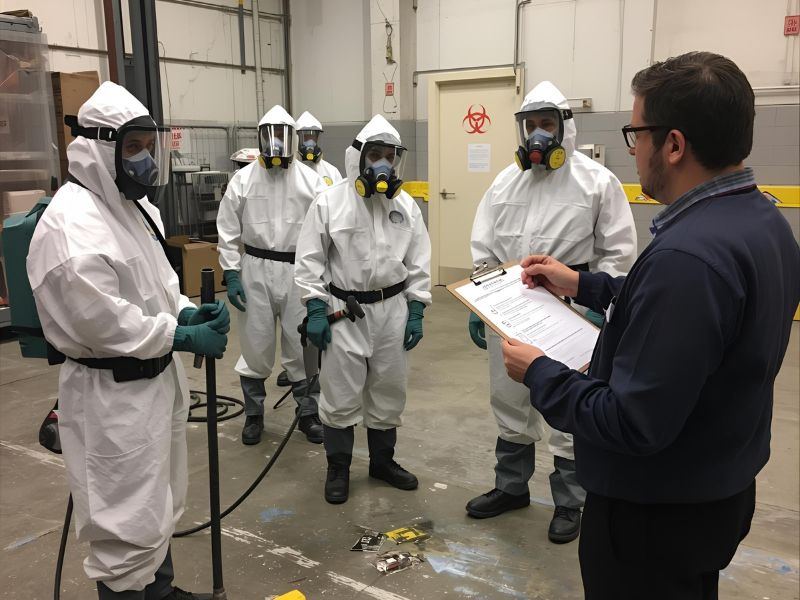
Biohazard training course content should cover practical applications, from handling hypodermic needles to safely dispose of contaminated materials. The course curriculum often includes case studies from real crime scene situations to help trainees understand the challenges they will face.
💰 Turn £20 Into a £3 Million Cleaning Business
Learn biohazard cleaning and earn more from one contract than traditional cleaners make in weeks
✅ 3000+ Certified
🏆 CPD Accredited
📈 Premium Rates
🎯 Face-to-Face & Virtual
Start Biohazard Cleaning Training Course
Join the 1% of cleaners earning specialist rates
Legal and Safety Regulations
The biohazard cleaning industry operates under strict legal frameworks designed to protect workers and the public. As one of the most heavily regulated cleaning jobs in the UK, practitioners must comply with health and safety laws, COSHH regulations, and environmental disposal requirements.
Employers must provide comprehensive training on blood borne pathogens, proper use of personal protective equipment, and safe handling of infectious material. Workers need appropriate certifications before handling potentially dangerous substances or working in contaminated environments.
Waste disposal regulations require all biohazardous materials to be processed through licensed hazardous waste carriers. This includes contaminated clothing, cleaning materials, and any items that cannot be adequately decontaminated. Public health regulations also govern how we document our work, maintain records, and coordinate with local authorities.
The specialist industry must follow specific procedures for crime scene cleaning, including proper documentation of all cleaning activities and disposal methods. These procedures ensure full compliance while protecting the business from liability issues.
Equipment and Protective Gear
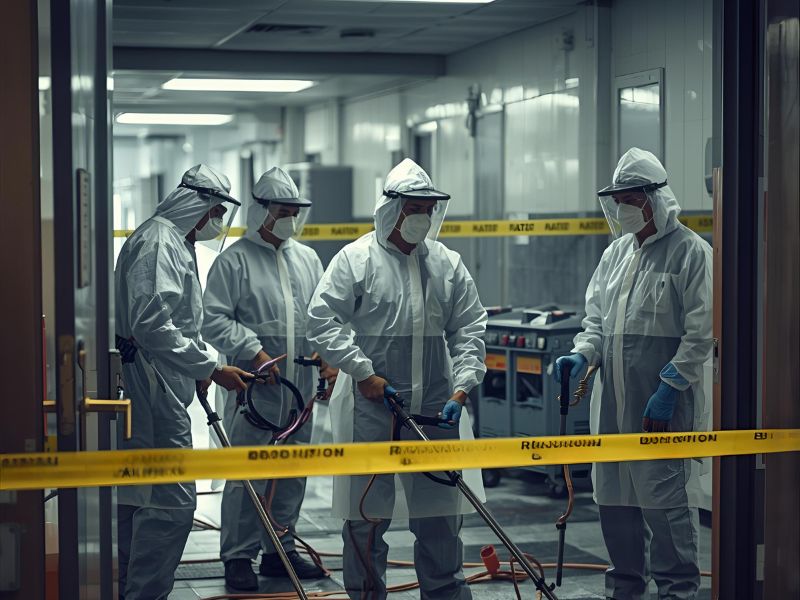
Professional biohazard cleaning requires substantial investment in specialised equipment and personal protective equipment. A complete kit, including gloves, respirators, face shields, and protective suits, typically costs £150 to £300 per cleaner per job, reflecting the high-grade materials needed for safety.
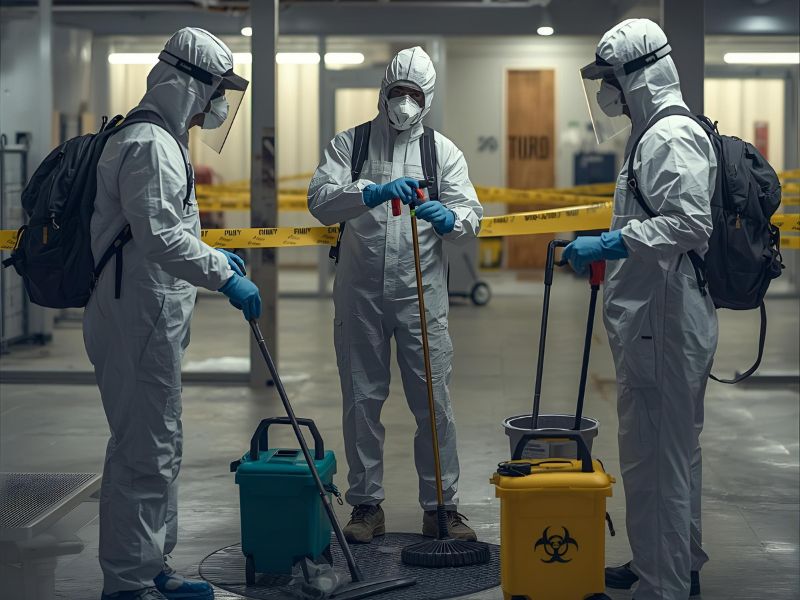
Essential equipment includes industrial-strength disinfectants, specialised cleaning solutions, and tools designed to safely dispose of contaminated materials. We use professional-grade air filtration systems to prevent airborne contamination and specialised containers for transporting hazardous waste.
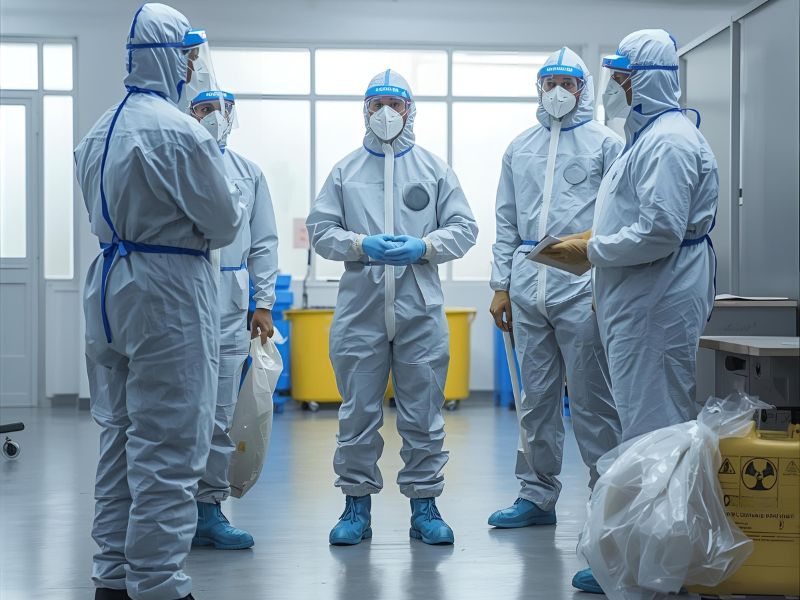
Personal protective equipment must meet specific standards for bloodborne pathogen protection. This includes fluid-resistant suits, puncture-resistant gloves, and respiratory protection capable of filtering airborne contaminants. All equipment requires regular inspection and replacement to maintain effectiveness.
Investment in quality equipment pays dividends through improved safety, efficiency, and professional credibility. Clients expect to see properly equipped teams using appropriate tools, and insurance requirements often mandate specific equipment standards. For anyone asking what insurance do I need for biohazard cleanup, understanding these requirements is just as important as having the right tools.
Career Opportunities and Earning Potential
The biohazard cleaning field offers diverse career paths with steady demand across various sectors. Employment opportunities span police contracts, local authorities, housing associations, funeral services, and private trauma cleaning companies. This diversity provides job security and multiple revenue streams for those building cleaning businesses.
For anyone wondering how much is a biohazard cleanup salary in the UK, new starters typically begin with salaries around £20,000 to £23,000 per year, while experienced biohazard cleaners can earn £30,000 or more annually. Hourly rates can reach £16 to £20 per hour, significantly higher than general cleaning roles due to the specialised skills and risks involved.
Specialists handling emergency call-outs often command premium rates, particularly for after-hours and weekend work. Many crime scene cleaning business operations run 24/7, with emergency response jobs proving most profitable but also most unpredictable in terms of scheduling.
Career progression opportunities include management roles, specialist training positions, and business ownership. Many professionals expand into related services like pest control, hoarding clearance, and property restoration, increasing revenue potential and business resilience.
Teaching others through training programmes also provides additional income streams. Expert advice from experienced practitioners helps newcomers understand the complexities of crime scene cleaning while building professional networks within the specialist industry.
Starting Your Career Path
Beginning a career in biohazard cleaning requires careful planning and preparation. Start by researching reputable training providers and enrolling in comprehensive biohazard cleaning training courses. Look for programmes that offer hands-on experience alongside theoretical knowledge.
Consider gaining relevant experience through entry-level positions with established cleaning companies. Many employers provide on-the-job training for suitable candidates, allowing you to learn skills while earning. This approach helps build practical skills while developing the emotional resilience needed for challenging situations.
Networking within the industry opens doors to employment opportunities and valuable mentorship. Attend training sessions, join professional associations, and connect with experienced professionals who can provide career guidance and job referrals.
Building a strong foundation of knowledge about health regulations, safety procedures, and proper cleaning techniques positions you for long-term success. Continuous learning remains essential as regulations evolve and new challenges emerge in the field.
Many successful professionals cite the two part TV series featuring crime scene cleaning expert Ben Giles as inspiration for entering the field. The TV series helped raise awareness of the important work done by specialist cleaners in supporting families through difficult times.
Building Experience and Advancing
Professional development in biohazard cleaning requires ongoing commitment to learning and skill improvement. Seek opportunities to work with experienced teams on diverse projects, from routine crime scene cleaning to complex hoarding situations involving multiple unattended deaths scenarios.
Each job provides valuable learning experiences and helps develop expertise in different aspects of the work. Working on various crime scene locations helps practitioners understand the different challenges presented by various trauma scenarios and contamination types.
Consider pursuing additional courses in specialised areas like forensic cleaning, extreme cleaning, or business management. These qualifications open doors to higher-paying positions and leadership roles within the industry. Many professionals also pursue training in areas like Ultima Environmental cleaning techniques.
For those exploring how to start a biohazard cleaning business, many successful professionals eventually establish their own cleaning business operations, leveraging their experience and reputation to build client relationships. This path requires business skills alongside technical expertise but offers the greatest potential for financial reward and professional independence.
Maintaining high professional standards throughout your career builds reputation and client trust. Consistently delivering quality work while demonstrating compassion for affected families establishes the foundation for long-term success in this demanding but rewarding career.
The specialist industry continues to grow, with opportunities extending beyond traditional crime scene work. Many professionals now work in locations across the UK, from West Wales to major urban centres, providing essential services to communities in need.
💰 Turn £20 Into a £3 Million Cleaning Business
Learn biohazard cleaning and earn more from one contract than traditional cleaners make in weeks
✅ 3000+ Certified
🏆 CPD Accredited
📈 Premium Rates
🎯 Face-to-Face & Virtual
Start Biohazard Cleaning Training Course
Join the 1% of cleaners earning specialist rates
Industry Growth and Future Opportunities
Growth in the biohazard cleaning sector has remained consistent, with public awareness of hygiene, infection control, and trauma cleaning rising significantly following recent health concerns. This increased awareness creates ongoing opportunities for skilled professionals who can provide essential services with professionalism and care.
Expanding Service Areas
Crime scene cleaning represents just one aspect of the broader biohazard cleaning field. Practitioners may also work on unattended deaths, decomposition cleaning, and other extreme cleaning scenarios that require specialist knowledge and equipment.
Modern Training Standards
The course content for modern biohazard training programmes now covers a wider range of scenarios than ever before. This comprehensive approach ensures that new practitioners are prepared for the diverse challenges they will face in their careers.
Evolving Industry Requirements
Training providers continue to update their course offerings to reflect changing industry needs and regulatory requirements. The specialist cleaning field evolves constantly, requiring ongoing education and professional development to maintain competency.
Collaborative Work Environment
Crime scene cleaning teams work closely with other professionals, including forensic specialists, law enforcement, and healthcare workers. This collaborative approach ensures that affected areas are properly restored while preserving any evidence required for legal proceedings.
Supporting Families Through Trauma
The work of specialist cleaners extends beyond the immediate cleaning task. We often provide emotional support to families dealing with traumatic events, making communication skills and empathy just as important as technical competence.
Choosing Quality Training
Those interested in this career path should research various training providers and course options carefully. The National Academy and other reputable institutions offer comprehensive programmes that prepare students for the challenges of professional biohazard cleaning.
Industry Recognition
The cleaning industry continues to recognise the specialist nature of biohazard work, with dedicated training courses and qualifications now available to support career development. This professional recognition helps ensure that practitioners receive appropriate training and compensation for their important work.
Client Expectations
Clients seeking biohazard cleaning services increasingly expect to work with qualified professionals who can demonstrate their expertise through recognised qualifications and certifications. This trend reinforces the importance of proper training and ongoing professional development.
Making a Difference
The crime scene cleaning field offers opportunities for those seeking meaningful work that makes a real difference in people's lives. While challenging, the career provides the satisfaction of helping others while building a stable professional future in a growing industry.
Ready to start your career in biohazard cleaning? Contact Biohazard Cleaning Courses today for a free quote on our comprehensive training programmes. We provide the knowledge, skills, and support you need to succeed in this specialised field.