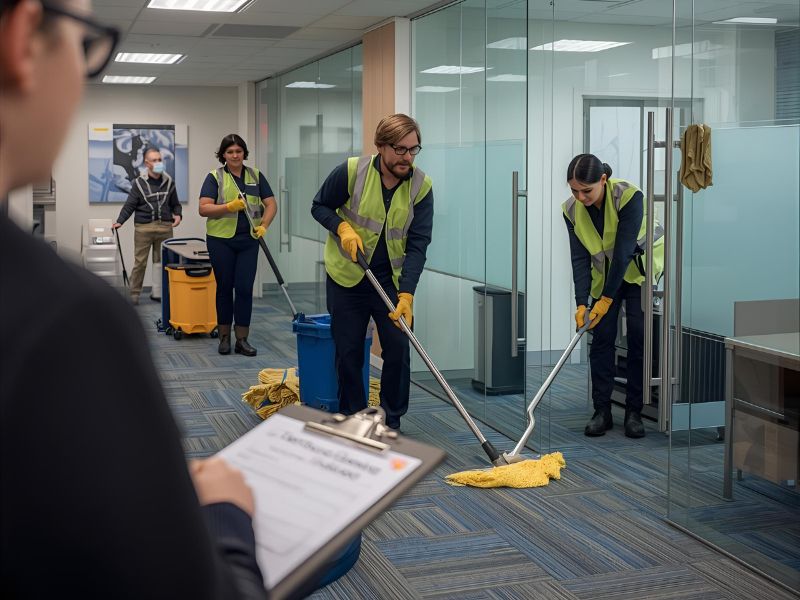
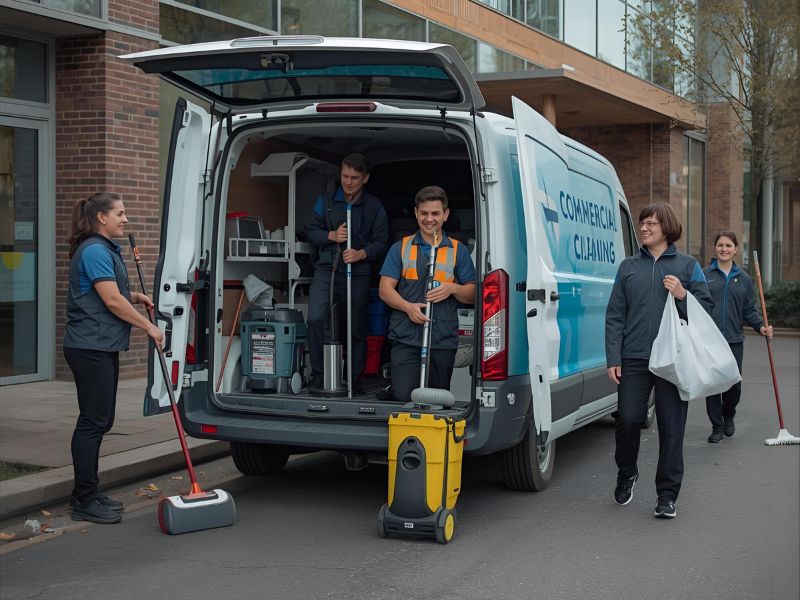
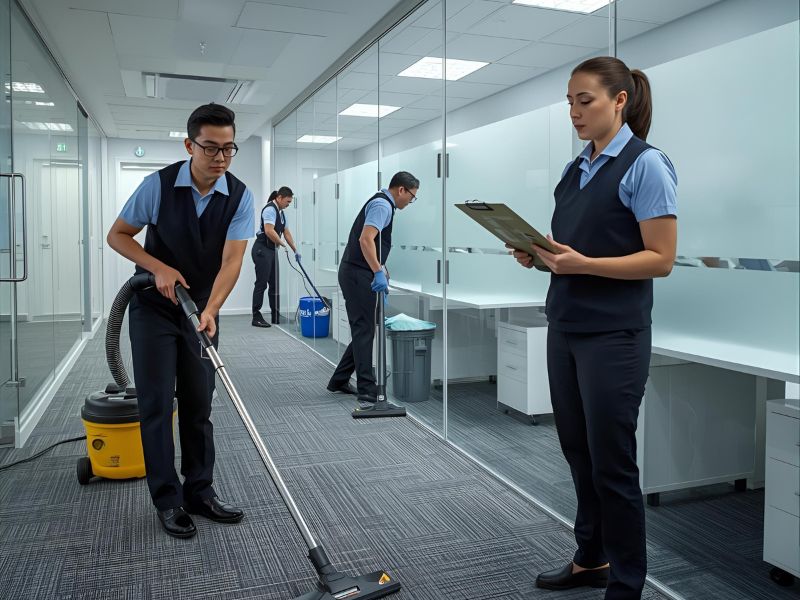
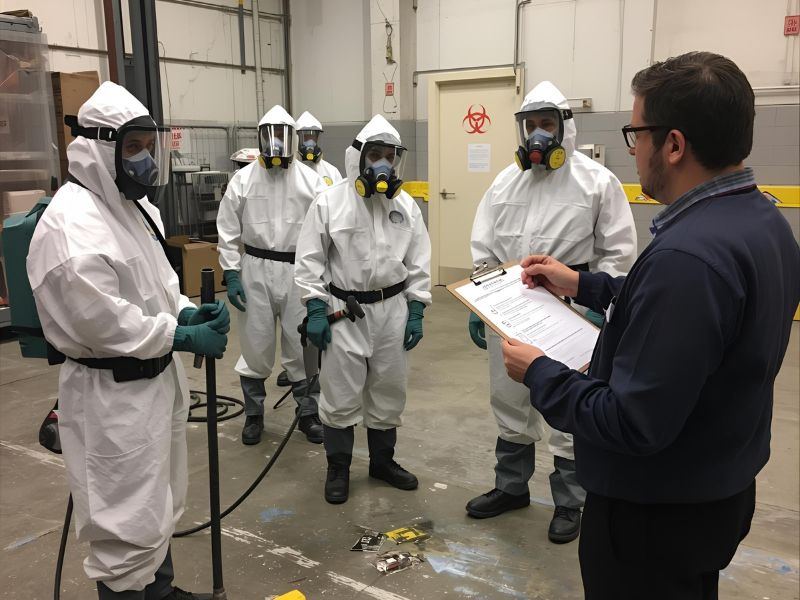
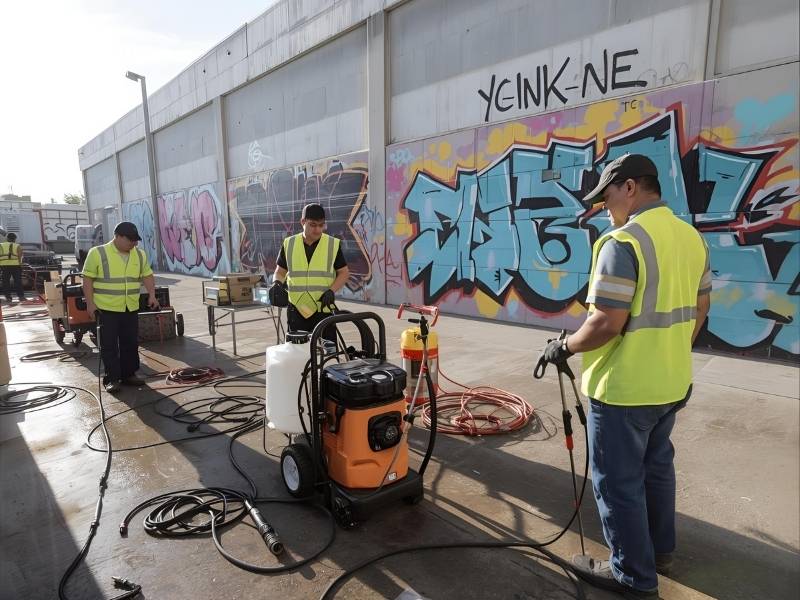
Starting a commercial cleaning business in the UK offers genuine opportunities in a thriving industry worth over £6 billion annually. More than 66,000 cleaning businesses currently operate across the country, proving there's substantial demand for professional cleaning services. We'll walk you through exactly how to establish your own successful cleaning business, from initial planning to securing your first contracts.
💼 4 in 5 Cleaners Have No Training
Get certified, get paid more, win better commercial contracts
📊 Stand Out From 80%
💰 Higher Rates
🏆 Better Contracts
📈 Professional Edge
Start Our Commercial Cleaning Courses
Professional training sets you apart
Understanding the UK Commercial Cleaning Market
The cleaning industry represents one of the UK's most stable service sectors, employing around 1.5 million people nationwide. Demand for cleaning services surged post-2020, with office sanitisation and deep cleaning services seeing growth rates exceeding 20% year-on-year in many areas. For new entrepreneurs, one of the first considerations is how much does it cost to start a cleaning business, since understanding initial expenses is key to long-term success.
Over 60% of UK businesses outsource their cleaning services rather than handling them in-house, creating consistent opportunities for new cleaning companies. This trend shows no signs of slowing, particularly as businesses focus on maintaining professional environments while reducing overhead costs.
Many successful cleaning companies start with just one or two staff members and low overhead costs, then scale by building long-term contracts with offices, retail stores, and property managers. Customer retention runs high in this sector, with many contracts lasting 3-5 years on average, giving new businesses predictable income once they establish their client base.
Choosing Your Business Structure
Before launching your cleaning business, you need to decide on the most suitable business structure. This decision affects your legal requirements, tax obligations, and personal liability.
Sole Trader
Operating as a sole trader offers the simplest setup process. You maintain complete control over business decisions and keep all profits after tax. However, you're personally liable for any business debts, which means your personal assets could be at risk if the business faces financial difficulties.
Limited Company
Forming a limited company provides protection for your personal assets, as the company exists as a separate legal entity. This structure often appears more professional to potential clients and can offer tax advantages as your business grows. You'll need to register with Companies House and file annual returns, but the additional administrative work often proves worthwhile for the added protection.
The national minimum wage requirements apply regardless of your business structure, so factor current rates into your pricing calculations from the start.
Obtaining Essential Licences and Insurance
While you don't need specific licences to start a cleaning business in the UK, certain legal requirements must be met to operate professionally.
Business Insurance
Public liability insurance is essential for any cleaning business. This coverage protects you if your work causes damage to client property or if someone gets injured due to your services. Most commercial clients will require proof of public liability insurance before awarding contracts.
Professional indemnity insurance provides additional protection if clients claim your services didn't meet agreed standards. While not legally required, this coverage helps establish credibility with potential clients.
Business insurance costs vary based on coverage levels and business size, but the investment protects against potentially devastating financial losses.
Health and Safety Compliance
All cleaning businesses must comply with health and safety regulations. This includes proper handling and storage of cleaning chemicals, providing safety equipment for employees, and maintaining detailed records of safety procedures.
The Control of Substances Hazardous to Health (COSHH) regulations require specific protocols for using and storing cleaning products. Ensuring compliance from day one prevents legal issues and demonstrates professionalism to clients.
Waste Disposal Requirements
Commercial cleaning generates various types of waste that must be disposed of properly. Understanding local waste disposal regulations and establishing relationships with licensed waste management companies is crucial for legal compliance.
Developing Your Business Plan
A solid business plan guides your cleaning business towards profitability and helps secure financing if needed. Your plan should address several key areas.
Target Market Analysis
Identify your ideal clients within the commercial cleaning space. Options include office buildings, retail stores, restaurants, medical facilities, or educational institutions. Each market has different requirements, pricing expectations, and contract terms. For new entrepreneurs wondering how to get clients for a cleaning business, focusing on the right sectors from the start can significantly improve chances of success.
Research your local area to understand demand levels and identify potential clients. Areas with high office density, like London, Manchester, and Birmingham, represent competitive but lucrative markets for commercial cleaning services.
Service Offerings
Define exactly what cleaning services you'll provide. Basic commercial cleaning includes general office cleaning, carpet cleaning, window cleaning, and waste management. specialised cleaning businesses might focus on deep cleaning, post-construction cleanup, or specialist cleaning service for medical facilities.
Consider whether you'll offer additional services like maintenance, security checks, or emergency cleaning response. These value-added services can differentiate your business and increase contract values.
Financial Projections
Calculate your initial costs, ongoing expenses, and revenue projections. Startup costs for commercial cleaning businesses are relatively low compared to other industries, with many companies beginning with less than £5,000 investment in equipment, insurance, and marketing.
A single office cleaning contract can generate £12,000-£20,000 annually, depending on frequency and location. Factor in typical costs like cleaning supplies, equipment maintenance, insurance costs, and training costs when developing pricing strategies.
Include projections for business growth, hiring staff, and expanding service areas. Plan for seasonal fluctuations and contract renewals in your financial forecasts.
Securing Essential Equipment and Supplies
Professional cleaning requires reliable equipment and high-quality supplies. Your initial investment should focus on versatile, durable items that handle various cleaning tasks effectively.
Essential Cleaning Supplies
Stock a comprehensive range of cleaning chemicals suitable for different surfaces and cleaning requirements. Include general-purpose cleaners, disinfectants, glass cleaners, and floor cleaners in your inventory.
Many clients now prefer eco-friendly cleaning products, with more than 70% of UK companies favouring sustainable practices. Investing in environmentally friendly supplies can become a strong selling point for your business.
Maintain adequate supplies to avoid running out during critical cleaning periods. Establish relationships with reliable suppliers who can provide consistent quality and competitive pricing.
Specialist Equipment
Invest in professional-grade vacuum cleaners, floor cleaning equipment, and window cleaning tools. While specialist equipment requires higher initial investment, it delivers superior results and lasts longer than consumer-grade alternatives.
Consider the specific needs of your target market when selecting equipment. Office cleaning requires different tools than restaurant or medical facility cleaning.
Plan for equipment replacement and maintenance costs. Well-maintained equipment ensures consistent service quality and prevents disruptions to client schedules.
Safety Equipment
Provide proper safety equipment for yourself and any employees. This includes protective clothing, gloves, eye protection, and respiratory equipment when using strong cleaning chemicals.
Safety equipment demonstrates professionalism and ensures compliance with health and safety regulations. Factor these costs into your overhead costs calculations.
Marketing Your Cleaning Business
Effective marketing helps you secure initial clients and build long-term business relationships. The cleaning industry relies heavily on reputation and referrals, making quality service your best marketing tool.
Local Advertising
Focus your marketing efforts on your local community and target business areas. Develop relationships with property managers, office building owners, and facility managers who make cleaning service decisions.
Traditional offline marketing methods like direct mail, business cards, and local networking events remain effective in the cleaning industry. Many successful cleaning businesses build their client base through personal relationships and word-of-mouth referrals.
Building Credibility
Professional presentation matters significantly in commercial cleaning. Invest in branded uniforms, vehicle signage, and professional marketing materials. These investments demonstrate legitimacy and attention to detail.
Gather testimonials and references from early clients to use in marketing materials. Positive reviews from satisfied customers carry significant weight when approaching new prospects.
Quality Control Systems
Implement systems to ensure consistent service quality across all contracts. Regular quality control checks help identify issues before clients notice them and demonstrate your commitment to excellence.
Document your cleaning procedures and train staff thoroughly on quality standards. Consistent, high-quality service leads to contract renewals and referrals to new businesses.
📱 1.58 Billion TikTok Users
Revolutionary social media marketing with massive UK SME contribution
👥 1.58B Users
🇬🇧 UK SME Success
📈 Revolutionary Marketing
🎯 Target Audience
Start Our TikTok Marketing Course
Harness social media's biggest platform
Managing Growth and Hiring Staff
As your cleaning business grows, you'll likely need to hire employees to handle additional contracts and expand service capabilities.
Hiring Considerations
When hiring staff, consider candidates with cleaning experience, but don't overlook those willing to learn. Many successful cleaning teams include people who started with no experience but demonstrated reliability and attention to detail.
Conduct thorough background checks, especially if employees will access secure client facilities after hours. Many commercial clients require this verification before approving cleaning staff.
The barring service provides criminal record checks that many clients require for cleaning staff working in sensitive environments like schools or healthcare facilities.
Training and Development
Provide comprehensive training on cleaning techniques, safety protocols, and customer service. Well-trained staff deliver better results and reduce liability risks.
Include additional training on any specialised cleaning requirements for specific clients. Investment in staff training reduces turnover and improves service quality.
Business Growth Strategies
Plan for systematic business growth rather than accepting any available work. Focus on profitable contracts that align with your capabilities and target market.
As the business grows, implement systems for scheduling, quality control, and customer communication. These systems become essential for managing multiple contracts efficiently.
Consider expansion opportunities like offering services in new geographic areas or adding specialised cleaning services to your portfolio.
Financial Management and Pricing
Proper financial management ensures your cleaning business remains profitable and sustainable long-term.
Pricing Strategies
Research local market rates for commercial cleaning services, but avoid competing solely on price. Focus on value propositions including reliability, quality, and customer service.
Factor all running costs into your pricing including equipment, supplies, insurance, vehicle expenses, and labour costs. Don't forget to include profit margins that allow for business reinvestment and growth.
Consider offering different pricing tiers based on service frequency, scope, and timing. Some clients pay premium rates for flexible scheduling or emergency cleaning services.
Managing Cash Flow
Establish clear payment terms with clients and follow up promptly on overdue invoices. Many commercial cleaning contracts pay monthly, so plan cash flow accordingly.
Set aside funds for equipment replacement, insurance renewals, and business expansion. Maintain reserves to handle unexpected expenses or temporary contract losses.
Track profitability by contract to identify your most valuable clients and service types. This information guides business development and resource allocation decisions.
Record Keeping
Maintain detailed financial records for tax purposes and business analysis. Track income, expenses, equipment costs, and employee expenses separately.
Most cleaning businesses benefit from accounting software that handles invoicing, expense tracking, and tax calculations. Good records also help when applying for business insurance or seeking financing.
If operating as a sole trader, you'll need to complete self assessment tax returns annually. Limited companies have additional reporting requirements but often enjoy tax advantages.
Legal Requirements and Ongoing Compliance
Understanding and maintaining compliance with legal requirements protects your business and ensures long-term sustainability.
Employment Law
When hiring employees, you must comply with UK employment law including minimum wage requirements, holiday entitlements, and workplace rights. These legal requirements vary significantly between employees and contractors.
Consider whether workers should be classified as employees or independent contractors. Misclassification can result in significant legal and financial penalties.
Use by Dates and Safety
Monitor use by dates on cleaning chemicals and replace expired products promptly. Using expired cleaning products can reduce effectiveness and create safety hazards.
Maintain safety data sheets for all cleaning chemicals and ensure staff understand proper handling procedures. Regular safety training reduces accident risks and demonstrates due diligence.
Contract Terms
Develop standard contract terms that protect your interests while meeting client expectations. Include clauses covering payment terms, service scope, liability limitations, and contract termination procedures. For new business owners exploring how to get commercial cleaning contracts, having clear and professional terms in place is one of the most effective ways to build trust and secure long-term clients.
Review contracts carefully before signing and seek legal advice for complex agreements. Well-structured contracts prevent disputes and clarify expectations for both parties.
Challenges and Solutions in Commercial Cleaning
Every business faces challenges, and commercial cleaning has its unique obstacles. Understanding potential issues helps you prepare solutions and maintain business continuity.
Highly Competitive Market
The cleaning industry is highly competitive, with numerous established companies competing for contracts. Differentiate your business through superior service, reliability, and competitive pricing.
Focus on building strong relationships with clients rather than competing solely on price. Many businesses value reliability and consistency over the lowest bid.
Staff Retention
High turnover is common in cleaning services, partly due to unsociable hours and physical demands. Combat this by offering competitive wages, flexible scheduling, and opportunities for advancement.
Treat employees well and create a positive work environment. Happy employees provide better service and stay longer, reducing recruitment and training costs.
Irregular Income
Contract-based income can create cash flow challenges, especially when starting out. Diversify your client base to reduce dependence on any single contract.
Maintain strong relationships with existing clients to secure contract renewals and referrals. Consistent service quality leads to long-term business relationships and regular income.
Growing Your Commercial Cleaning Business
Once established, focus on sustainable growth strategies that increase profitability without compromising service quality.
Expanding Service Areas
Consider expanding into adjacent geographic areas or targeting new market segments. Research local demand and competition before entering new markets.
Expansion requires additional resources including equipment, staff, and marketing investment. Plan growth carefully to maintain service quality across all contracts.
Specialised Services
Develop expertise in specialised cleaning areas like medical facilities, food service, or industrial cleaning. These markets often pay higher rates and have less competition.
Specialised cleaning requires additional training, equipment, and certifications, but the investment often results in more profitable contracts.
Technology Integration
Consider technology solutions that improve efficiency and customer service. Scheduling software, customer communication tools, and quality monitoring systems can differentiate your business.
Technology investments should solve real problems and improve profitability. Avoid adopting technology simply because it's available.
💼 4 in 5 Cleaners Have No Training
Get certified, get paid more, win better commercial contracts
📊 Stand Out From 80%
💰 Higher Rates
🏆 Better Contracts
📈 Professional Edge
Start Our Commercial Cleaning Courses
Professional training sets you apart
Financial Success Indicators
Monitor key performance indicators to track your business success and identify improvement opportunities.
Contract Retention Rates
High customer retention indicates satisfied clients and stable income. Monitor contract renewal rates and investigate any declining trends.
Most successful cleaning businesses maintain retention rates above 80%. Lower rates may indicate service quality issues or pricing problems.
Profit Margins
Track profit margins by contract type and service area. This information helps identify your most profitable work and guides pricing decisions.
Healthy cleaning businesses typically maintain gross profit margins between 15-30%, depending on service type and market conditions.
Growth Metrics
Monitor revenue growth, client acquisition costs, and contract values over time. Sustainable growth requires balancing new client acquisition with existing client retention.
Track employee productivity and satisfaction to ensure growth doesn't compromise service quality or workplace culture.
Ready to Start Your Commercial Cleaning Business?
Starting a commercial cleaning business requires careful planning, but the UK market offers genuine opportunities for dedicated entrepreneurs. With startup costs often under £5,000 and strong demand from businesses preferring to outsource cleaning services, this industry provides a viable path to business ownership.
Focus on delivering exceptional service quality, building strong client relationships, and maintaining professional standards throughout your operations. The cleaning industry rewards reliability, consistency, and attention to detail more than flashy marketing or complex business models.
Many cleaning business owners started with minimal investment and built successful companies through hard work and commitment to customer satisfaction. Independent cleaning businesses often report higher profit margins than franchise operations because they avoid ongoing franchise fees while maintaining full control over business decisions.
Get Your Free Quote Today
Ready to start your commercial cleaning business journey? Contact Biohazard Cleaning Courses today for expert guidance on training, certification, and business setup. We provide comprehensive support to help you launch your cleaning business with confidence and the knowledge needed for long-term success.