How do I become a crime scene cleaner? This question arises frequently among those seeking a rewarding career in the cleaning industry. Crime scene cleaning represents one of the most specialised professional cleaning services in the UK today. This field combines technical expertise with emotional resilience to help families and communities recover from traumatic events. If you're considering this career path, understanding the requirements and training process is your first step toward making a meaningful difference in people's lives during their most difficult moments.
🚨 Crime Scene Cleaning: 12% Rise in Demand
Join the specialists earning premium rates in this essential service industry
💰 £775 Face-to-Face
💻 £579 Virtual
🏆 CPD Certified
📈 Growing Sector
Join Our Crime Scene Cleaner Courses
Master trauma cleaning with professional expertise
What Does a Crime Scene Cleaner Actually Do
Crime scene cleaners handle far more than what most people imagine. We work on crime scenes, but the job extends well beyond that scope. Our responsibilities include trauma cleaning of unattended deaths, industrial accidents, hoarding situations, and infectious disease outbreaks. The role requires meticulous attention to detail and strict protocols when dealing with trauma scenes.
Crime scene cleaning is one of the most niche careers in the UK, and demand has grown steadily with specialist cleaners entering the market. Every crime scene we encounter presents unique challenges that require both technical expertise required and human compassion. A crime scene cleaner requires specialised skills to handle these complex situations effectively.
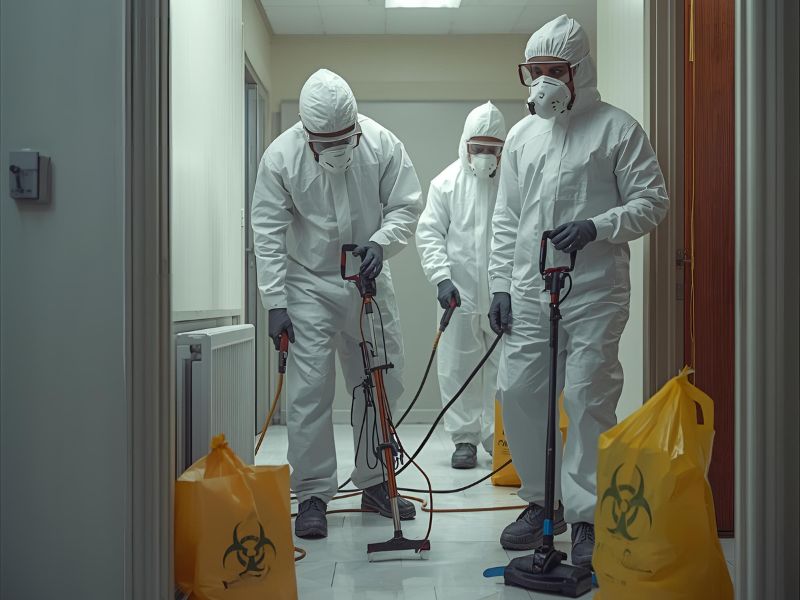
The work involves removing and disposing of biohazardous materials safely, including blood, bodily fluids, and other potentially infectious substances. We also handle the complete decontamination and restoration of affected areas to make them safe for habitation again. This process often takes several hours or even days, depending on the nature of contamination that has occurred.
Essential Skills You Need to Develop
Becoming a successful scene cleaner requires developing multiple key skills. Technical expertise forms the foundation, but emotional resilience proves equally important for long-term success in this field. The ability to perform under pressure while maintaining high standards is essential for all crime scene cleaning professionals.
You'll need strong attention to detail since missing even small traces of contamination can pose serious health risks to families and the public health. Being physically fit is also essential, as the job can be physically demanding, often involving lifting heavy equipment, working in cramped spaces, and wearing personal protective equipment for extended periods.
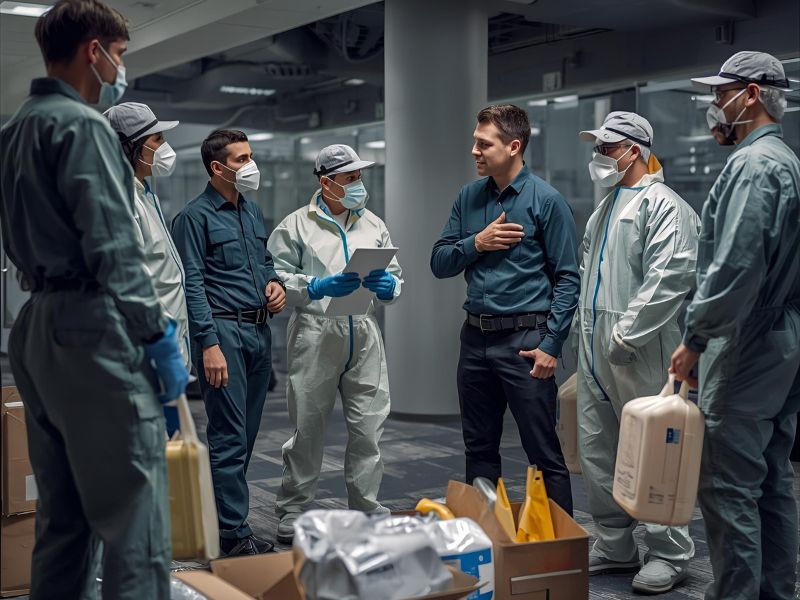
Communication skills matter tremendously when you deal with grieving families or work alongside police during investigations. We often serve as support between the technical aspects of clean up and the human element of tragedy. Many cleaners receive extensive training in dealing with traumatic environments and supporting families during their most difficult times.
The ability to work independently and make sound decisions under pressure distinguishes experienced professionals from newcomers. Time management becomes crucial when handling multiple jobs or working within tight deadlines set by insurance companies or property managers who need affected areas restored quickly.
Training Requirements and Certification Paths
While a sound educational background can be beneficial, formal education at university level is not mandatory for this career. Most professionals in biohazard cleaning hold specialist training certifications in biohazard handling, infection control, or forensic cleaning. Training courses for crime scene cleaning can typically be completed in just a few days to a couple of weeks, depending on the provider and modules covered.
Professional training courses cover bloodborne pathogens, personal protective equipment usage, hazardous waste disposal regulations, and decontamination procedures. These training programmes teach you how to safely handle biohazardous materials like blood, bodily fluids, sharps removal, and chemicals that can carry dangerous pathogens such as HIV and hepatitis.
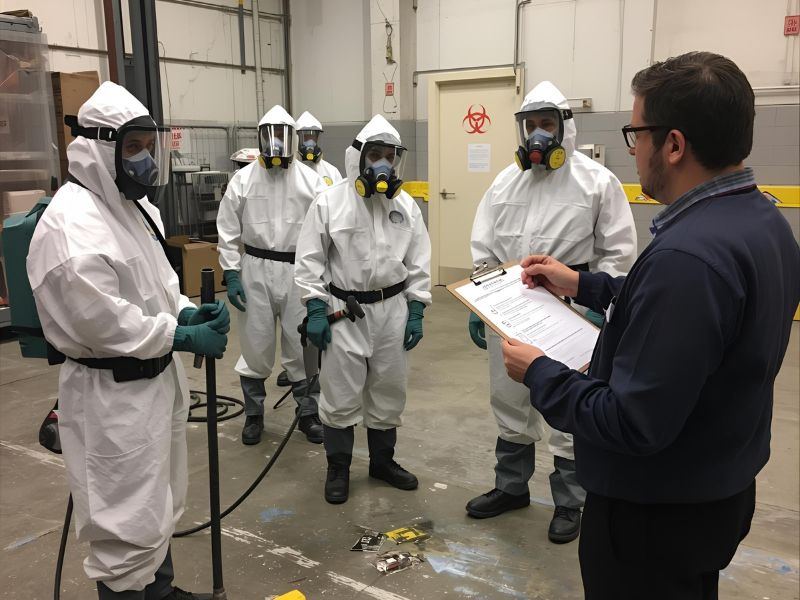
Many training providers offer hands-on experience with real-world scenarios, allowing you to practice techniques in controlled environments before working actual trauma scenes. Some courses include psychological preparation components to help you develop the emotional resilience needed for this demanding job. These training courses often cover how to process contaminated equipment and dispose of hazardous materials according to UK regulations.
Qualifications from recognised training organisations demonstrate your competence to potential employers and clients. These credentials often require periodic renewal to ensure you stay current with evolving safety standards and cleaning methodologies. Additional qualifications in related areas can also be beneficial for career advancement.
🚨 Crime Scene Cleaning: 12% Rise in Demand
Join the specialists earning premium rates in this essential service industry
💰 £775 Face-to-Face
💻 £579 Virtual
🏆 CPD Certified
📈 Growing Sector
Join Our Crime Scene Cleaner Courses
Master trauma cleaning with professional expertise
Personal Protective Equipment Essentials
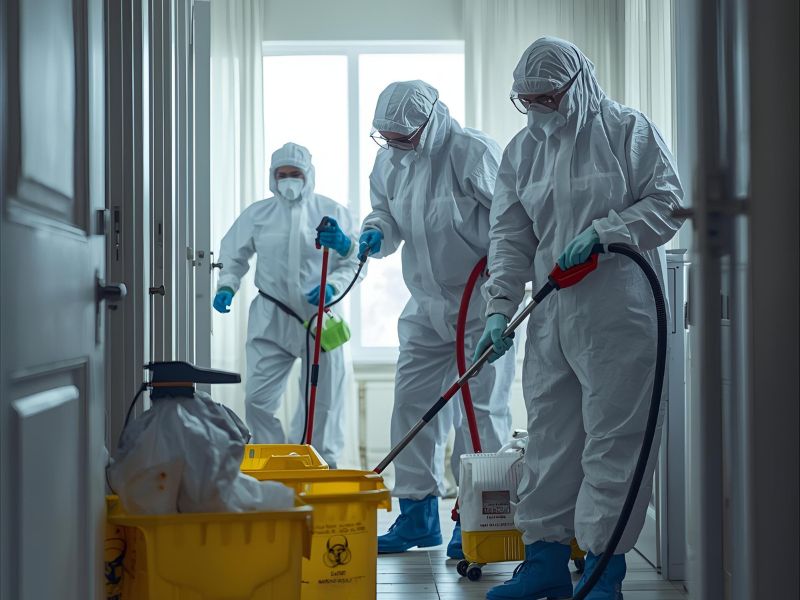
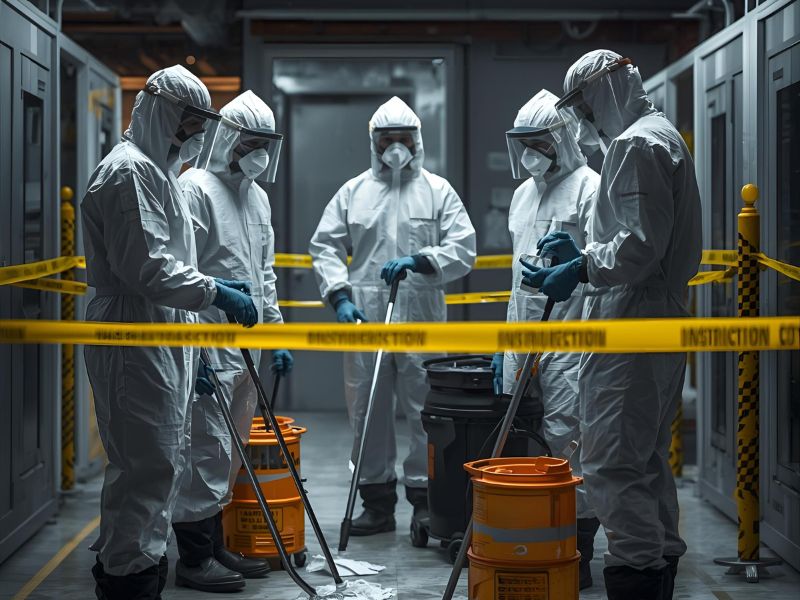
Personal protective equipment forms the backbone of safety in crime scene cleaning operations. We use specialised equipment designed to protect against biological, chemical, and physical hazards encountered during clean up operations. Proper equipment usage is mandatory for all personnel working in contaminated environments.
Full-body suits protect against contamination while allowing sufficient mobility to perform detailed cleaning tasks. Multiple layers of gloves provide protection against sharp objects and chemical exposure. Personal protective equipment must meet strict protocols to ensure worker safety when handling biohazardous waste and other hazardous materials.
Respiratory protection ranges from simple N95 masks for minor incidents to full-face respirators with HEPA filters for complex contamination scenarios. Eye protection prevents splashes from reaching mucous membranes, while disposable shoe covers maintain contamination barriers during the complete decontamination process.
The key to effective personal protective equipment use lies in proper donning and doffing procedures. Training programmes teach systematic approaches to putting on and removing protective equipment without cross-contamination. Regular equipment maintenance and replacement schedules ensure optimal protection levels for all cleaning personnel.
Legal and Safety Regulations to Follow
Companies providing crime scene cleaning services must follow strict health and safety laws, including correct disposal procedures, as contaminated waste is classified as hazardous under UK and EU regulations. Understanding these requirements protects both workers and the public from potential exposure to health risks.
The Control of Substances Hazardous to Health Regulations governs how we handle, transport, and dispose of contaminated materials. Proper documentation tracks hazardous waste from collection through final disposal, creating accountability throughout the entire process. All personnel must be responsible for following these mandatory procedures.
Health and Safety Executive guidelines establish minimum safety standards for equipment usage, training requirements, and workplace procedures. Regular safety audits ensure compliance with these evolving standards. Professional cleaning services must maintain high standards to cover all aspects of biohazard cleaning operations.
Insurance requirements vary by region but typically mandate comprehensive coverage for workers, clients, and third parties. Professional liability insurance protects against potential claims related to incomplete cleaning or property damage during restoration work in affected areas.
Different Types of Crime Scene Cleaning Work
The scope of trauma cleaning extends far beyond traditional crime scenes. Unattended deaths represent a significant portion of calls, particularly in areas with aging populations or individuals living alone. These situations often involve extensive trauma cleaning and require specialist cleaners with specific knowledge.
Industrial accidents require specialised knowledge of chemical contamination and decontamination procedures. These scenarios often involve multiple agencies and complex clean up protocols that can take days or weeks to complete. The cleaning industry has developed specific procedures for handling these challenging situations.
Hoarding cleanup presents unique challenges combining biohazard cleaning with structural restoration. These jobs often require collaboration with mental health professionals and social services to support affected individuals. Such work demonstrates the varied nature of professional cleaning services available.
Infectious disease outbreaks, including situations involving drug-resistant bacteria or viral contaminations, demand the highest level of protective equipment and decontamination procedures. Crime scene cleaning is not limited to crime scenes, as cleaners are also called for these diverse emergency situations that may have occurred in various settings.
Finding Employment Opportunities
Entry-level roles often start with cleaning assistance positions, before progressing into fully trained biohazard technicians with more responsibility and higher pay. Many companies prefer hiring candidates with backgrounds in cleaning, healthcare, pest control, or even the armed forces as these provide beneficial experience.
The job opportunities are not as widely advertised as other cleaning roles, with many new technicians entering through specialist firms rather than public job boards. Building relationships with established companies provides the best pathway to become a crime scene cleaner in this specialised field.
Many companies operate on a 24/7 emergency callout basis, meaning cleaners often work irregular hours, but this also allows for premium rates and overtime pay. Demand for crime scene cleaning and trauma cleaning rises in urban areas where populations are denser, creating more frequent calls for professional services.
Crime scene cleaning is considered a recession-resistant career path, since the need for trauma and biohazard clean up exists regardless of economic trends. This stability makes it an attractive option for those seeking long-term career security in the cleaning industry.
Career Progression and Earning Potential
Career advancement opportunities range from team leadership roles to business ownership. Experienced professionals often specialise in specific types of clean up work or advance to supervisory positions overseeing multiple crews handling various trauma scenes and crime scene cleaning operations.
Starting salaries vary by region and company size, but experienced professionals command significantly higher rates. For many entering the industry, one of the most common questions is how much do crime scene cleaners make, and the answer depends heavily on experience, location, and level of specialisation. Specialisation in complex scenarios like chemical spills or large-scale decontamination projects can lead to consulting opportunities. Professional development in areas such as bloodborne pathogens training can enhance career prospects.
Many successful cleaners eventually establish their own companies, leveraging their experience and industry contacts to build thriving businesses. Insurance often covers the cost of professional cleaning services, which means many clients are not paying out of pocket, ensuring a steady flow of jobs for businesses and employees in this field.
Continuing education and professional development opportunities include advanced certifications in specific cleaning methodologies, business management training, and specialised equipment operation. Ongoing knowledge development ensures you remain competitive as the industry evolves and new techniques for handling bloodborne pathogens and hazardous materials emerge.
🚨 Crime Scene Cleaning: 12% Rise in Demand
Join the specialists earning premium rates in this essential service industry
💰 £775 Face-to-Face
💻 £579 Virtual
🏆 CPD Certified
📈 Growing Sector
Join Our Crime Scene Cleaner Courses
Master trauma cleaning with professional expertise
Building Your Career Foundation
To become a crime scene cleaner successfully, you need to understand the comprehensive nature of this work. The job involves more than just cleaning; it requires the ability to deal with complex situations with compassion and professionalism. Many scene cleaners find that their ability to support families during difficult times becomes one of the most rewarding aspects of their career.
Working with police, insurance companies, and other authorities requires strong communication skills and the ability to complete tasks efficiently while maintaining high standards. The cleaning industry continues to evolve, with new technologies and methods improving safety and effectiveness.
Those considering this career should be prepared for the physical and emotional demands of the job. However, for those with the right combination of technical skills, emotional resilience, and dedication to helping others, crime scene cleaning offers a stable and meaningful career path.
Get Your Free Quote from Biohazard Cleaning Courses Today
Ready to become a crime scene cleaner? We understand that taking the first step into this specialised field can feel overwhelming, but with proper training and support, you can build a rewarding career helping others during their most difficult times.
Our comprehensive training courses prepare you for every aspect of crime scene cleaning, from technical skills to emotional resilience. We provide hands-on experience with industry-standard equipment and real-world scenarios that prepare you for immediate employment upon completion of your training.
Do not let another day pass wondering about your career options. Contact Biohazard Cleaning Courses today for your free quote and discover how we can help you begin this meaningful and stable career path. Our experienced professionals are ready to guide you through every step of your professional development journey.