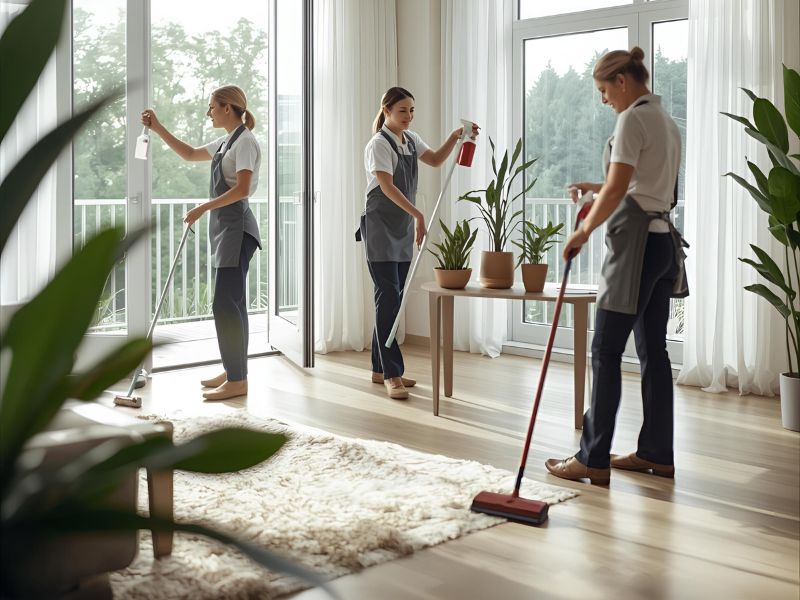
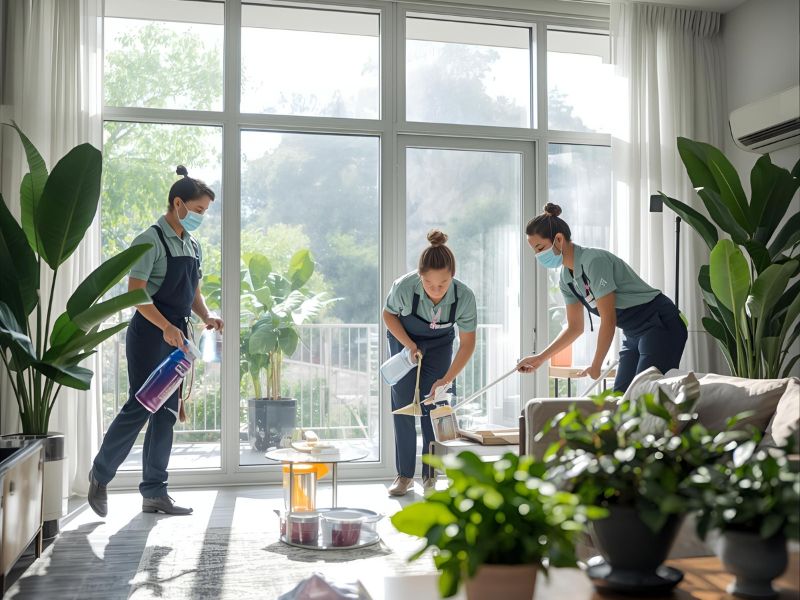
Dealing with bad smells in your home can be frustrating and embarrassing. Whether it's lingering odors from cooking, pets, or damp conditions, unpleasant scents can affect your mood and wellbeing more than you might realise. Studies show that bad odours can lower concentration and increase stress levels, whilst pleasant natural scents boost relaxation and create a more comfortable living space.
The good news is that you don't need harsh commercial air fresheners filled with synthetic chemicals to tackle household odors. Natural methods are not only safer for your family and pets but often more effective at neutralising odors rather than simply masking them. Humans can detect over 1 trillion different odours, which explains why even faint bad smells can feel overwhelming in a room.
Understanding the Source of Bad Smells
Before we dive into solutions, it's important to identify what's causing the unpleasant smell in your room. Common culprits include:
Moisture and Humidity Issues: Musty smells are usually caused by mould spores, which can multiply in just 24-48 hours if humidity isn't controlled. Damp areas around windows, bathrooms, or basements create the perfect breeding ground for mold or mildew growth.
Poor Air Circulation: Stagnant air traps odours and prevents fresh air from circulating. Without proper ventilation, smells from cooking, cleaning, and daily activities accumulate over time.
Soft Furnishings and Fabrics: Carpets, curtains, upholstery, and dirty laundry can absorb and hold onto smells for weeks. The average home can trap airborne odours in soft furnishings like curtains and upholstery for extended periods if not treated properly.
Pet-Related Odours: Pet dander, pet hair, and accidents can create persistent bad odors. Even clean pets can contribute to household odors through their natural oils and fur.
Kitchen and Food Waste: Garbage cans, garbage disposal units, and food particles can create unpleasant smells that spread throughout your home. Cigarette smoke is another common issue, and many homeowners search for ways on how to remove nicotine smell from house to restore freshness and improve indoor air quality.
🚬 Transform Your Cleaning Business
Specialist nicotine stain removal and cigarette smoke contamination techniques
🏢 Commercial Properties
🏠 Domestic Services
💨 Odour Elimination
🎯 Specialist Skills
Join Our Nicotine Cleaning Course
Stand out with professional odour removal skills
Natural Ventilation: The Foundation of Fresh Air
The simplest and most effective way to remove bad smells is through proper ventilation. Airflow plays a huge role in maintaining fresh indoor air.
Opening Windows Strategically: Open windows for at least 15 minutes daily to reduce indoor pollutants and smells by up to 60%. Create cross-ventilation by opening windows on opposite sides of the room to encourage air movement.
Using Ceiling Fans: Ceiling fans help circulate air and prevent odours from settling. Run fans in different directions depending on the season to maximise air movement.
Creating Natural Air Currents: Position fans near open windows to pull stagnant air out and draw fresh air in. This simple technique can dramatically improve your room's smell within a few hours.
Baking Soda: The Natural Odour Neutraliser
Baking soda doesn't just mask smells; it neutralises acidic and alkaline odours, which is why it's been used as a natural deodoriser for over 150 years. Unlike commercial air fresheners that only cover up bad smells, baking soda actually eliminates them.
How to Use Baking Soda Effectively: Sprinkle baking soda generously on carpets, rugs, and upholstery. Let it sit overnight, then vacuum thoroughly the next morning. The longer you leave it, the more odours it will absorb.
For ongoing odour control, place open containers of baking soda in corners of rooms, wardrobes, and other areas where bad odors tend to linger. Replace every three months for maximum effectiveness.
Baking Soda Spray Recipe: Mix one cup of warm water with two tablespoons of baking soda in a spray bottle. Spray lightly on fabrics, carpets, and soft furnishings. Allow to dry completely before using the area again.
White Vinegar: The Acidic Odour Fighter
White vinegar is particularly effective against alkaline odours like those from pets, sweat, and some food smells. A bowl of vinegar left in a room can neutralise odors within just a few hours because of its natural acidity.
Simple Vinegar Deodorising Method: Place small bowls of white vinegar around the room, especially in areas where smells are strongest. The vinegar will absorb bad smells overnight. Don't worry about the vinegar scent; it dissipates quickly, taking other odours with it.
Vinegar Cleaning Solution: Mix equal parts water and white vinegar to create a powerful cleaning solution. Use this to wipe down surfaces, clean windows, and mop floors. The solution removes odour-causing bacteria whilst leaving surfaces fresh and clean.
Essential Oil Solutions for Natural Fragrance
Essential oils like lemon, tea tree, and eucalyptus have natural antibacterial properties, helping not only to freshen a room but also to tackle the source of odour. Your favorite essential oil can transform your living space whilst providing therapeutic benefits.
DIY Essential Oil Spray: Add a few drops of essential oil to a spray bottle filled with water. Shake well before each use and spray around the room. Popular choices include lavender for relaxation, peppermint for energy, and citrus oils for freshness.
Oil Diffusion Methods: Use reed diffusers, electric diffusers, or simply add a few drops of essential oil to cotton balls placed around the room. This provides continuous, subtle fragrance without overwhelming the space.
Coffee Grounds and Activated Charcoal
Coffee grounds are highly porous and can trap odour molecules, which is why many people keep them in bowls to absorb smells in kitchens and living spaces. Used coffee grounds work just as well as fresh ones.
Using Coffee Grounds: Place dried, used coffee grounds in small bowls or coffee filters tied with string. Position these natural odour absorbers in areas with persistent smells. Replace weekly for best results.
Activated Charcoal Power: Activated charcoal can absorb up to 200 times its weight in odour-causing particles, making it one of the most powerful natural deodorisers. Place activated charcoal in mesh bags or open containers around your room.
🏠 Earn £50k-£100k Per Year
Airbnb cleaners charging £25-£40/hour in the growing cleaning services market
💰 £50-100k/Year
⏰ £25-40/Hour
📈 Growing Market
🏠 Flexible Work
Start Our Airbnb Cleaning Course
Premium rates in expanding market
Natural Simmer Pot Recipes
Simmer pot recipes use natural ingredients to create pleasant scents whilst neutralising bad odors. These traditional remedies release natural oils that can overpower and neutralise unwanted odours.
Classic Citrus and Spice Blend: Combine lemon peels, cinnamon sticks, and whole cloves in a pot of simmering water. The natural oils released will freshen your entire home within hours.
Fresh Herb Combinations: Try rosemary and orange slices, or mint leaves with vanilla extract. These combinations not only smell great but also have natural antibacterial properties.
Seasonal Simmer Pots: Adapt your simmer pot to the season. Use cinnamon sticks and apple slices in autumn, or fresh citrus and herbs in summer. Always supervise simmering pots and never leave them unattended on the stove.
Deep Cleaning for Persistent Odours
Sometimes surface treatments aren't enough, and you need deep cleaning to eliminate stubborn smells completely.
Carpet and Upholstery Treatment: Vacuum thoroughly, then use an enzyme cleaner specifically designed for odours. These cleaners break down odour-causing molecules rather than just covering them up. Allow the cleaner to sit for the recommended time before blotting dry with a damp cloth.
Washing Textiles: Wash curtains, cushion covers, and other removable fabrics in hot water with a cup of white vinegar added to the rinse cycle. For delicate items that can't be machine washed, spot treat with a baking soda paste made from baking soda and water.
Mattress and Pillow Refresh: Sprinkle baking soda on mattresses and pillows, let sit for several hours, then vacuum thoroughly. For extra freshness, add a few drops of essential oil to the baking soda before applying.
Pet-Specific Odour Solutions
If you have furry friends, you need specialised approaches to tackle pet-related smells effectively.
Regular Grooming and Cleaning: Brush pets regularly to reduce pet hair and dander. Wash pet beds weekly in hot water, and vacuum areas where pets spend time daily.
Natural Pet-Safe Deodorisers: Use baking soda and enzyme cleaners that are safe for pets. Avoid essential oils around cats, as many can be toxic to them. Always check product labels for pet safety information.
Litter Box Management: Keep kitty litter boxes clean and well-ventilated. Add baking soda to the bottom of the litter box before adding litter to help absorb odors.
Plants That Purify Indoor Air
Indoor plants such as peace lilies and spider plants can help filter toxins from the air, improving air quality whilst reducing lingering smells. These natural air purifiers work continuously to improve your indoor environment.
Best Plants for Odour Control: Snake plants, pothos, and rubber plants are excellent for beginners and effective at filtering air. They require minimal care whilst providing maximum benefit.
Herb Gardens for Fresh Scents: Grow herbs like basil, mint, and rosemary indoors. These provide natural fragrance whilst offering fresh ingredients for cooking. Simply brushing against the leaves releases pleasant natural scents.
Quick Daily Habits for Fresh-Smelling Rooms
Prevention is always better than cure when it comes to household odors.
Morning Fresh Air Routine: Open windows every morning for at least 15 minutes, even in winter. This simple habit prevents odours from building up overnight.
Regular Cleaning Schedule: Wipe down surfaces daily with natural cleaning solutions. Take out rubbish regularly and clean garbage cans weekly to prevent smell buildup.
Immediate Action on Spills: Clean up spills and accidents immediately to prevent them from soaking into fabrics and creating lasting smells. Keep cleaning supplies easily accessible for quick response.
Seasonal Considerations
Different seasons bring different odour challenges that require specific approaches.
Summer Humidity Control: Use fans and dehumidifiers to control moisture levels. High humidity creates ideal conditions for mould and mildew growth, leading to musty smells.
Winter Ventilation: Even in cold weather, brief periods of ventilation are essential. Open windows for short bursts rather than keeping them closed all season.
Spring Deep Clean: Use spring cleaning as an opportunity for deep odour elimination. Wash winter bedding, clean carpets thoroughly, and replace air filters in heating systems.
When Natural Methods Aren't Enough
Sometimes persistent odours indicate underlying problems that need professional attention.
Mould and Mildew Issues: If musty smells persist despite cleaning efforts, you may have hidden mold or mildew growth that requires professional assessment and treatment.
Structural Problems: Smells from drains, walls, or floors might indicate plumbing issues or structural problems that need expert evaluation.
HVAC System Cleaning: If bad smells seem to come through your heating or cooling system, professional duct cleaning might be necessary.
Creating Long-Term Freshness
Maintaining a fresh-smelling home requires ongoing attention and good habits.
Air Purifiers for Continuous Cleaning: Consider investing in air purifiers with activated carbon filters. These work continuously to remove odour-causing particles from the air.
Natural Deodorising Schedule: Create a weekly routine that includes sprinkling baking soda on carpets, placing fresh bowls of vinegar in problem areas, and refreshing natural deodorisers like coffee grounds and activated charcoal.
Monitoring Humidity Levels: Use a hygrometer to monitor indoor humidity. Ideal levels are between 30-50%. High humidity encourages mould growth, whilst very low humidity can concentrate odours.
The Science Behind Natural Deodorising
Understanding how natural deodorisers work helps you use them more effectively. Unlike scented candles or commercial air fresheners that mask smells, natural methods actually neutralize odors at the molecular level.
Baking soda works through chemical neutralisation, binding with acidic and basic odour molecules to eliminate them completely. Activated charcoal uses physical absorption, trapping odour molecules in its porous surface. Essential oils provide antimicrobial action, killing bacteria that cause bad smells whilst adding pleasant fragrance.
Sunlight is also a natural deodoriser. UV rays can break down odour molecules and kill bacteria, which is why drying fabrics outside often smells fresher than using a tumble dryer.
Budget-Friendly Tips
Creating a fresh-smelling home doesn't require expensive products or equipment.
Household Items as Deodorisers: Use items you already have: coffee grounds from your morning brew, citrus peels from cooking, and baking soda from your kitchen cupboard.
DIY Solutions: Make your own cleaning sprays and deodorisers using simple ingredients like vinegar, baking soda, and water. These cost a fraction of commercial products whilst being more effective.
Preventive Measures: Focus on prevention through good ventilation and regular cleaning. This costs nothing but saves money on deodorising products later.
Safety Considerations
When using natural deodorising methods, keep these safety points in mind:
Pet Safety: Research essential oils thoroughly if you have pets. Many oils that are safe for humans can be harmful to cats and dogs.
Ventilation During Cleaning: Ensure good ventilation when using vinegar or other natural cleaners, especially in small spaces.
Testing on Fabrics: Always test natural cleaning solutions on a small, hidden area first to ensure they won't damage or discolour fabrics.
Troubleshooting Common Problems
Solution Isn't Working Fast Enough: Some natural methods take time to work. Be patient and consistent with applications. For immediate results, combine methods: open windows for ventilation whilst using baking soda or vinegar.
Smell Returns Quickly: If odours return rapidly, you're likely dealing with the symptom rather than the source. Look for hidden moisture, check for leaks, and ensure thorough cleaning of all affected areas.
Overwhelming Natural Scents: If essential oils or other natural fragrances become too strong, reduce the amount used and ensure adequate ventilation. Natural doesn't mean more is always better.
🏨 30% Growth in Serviced Accommodation
1 million+ units globally need specialist cleaning - join the boom
📈 30% Growth
🏨 1M+ Properties
💼 Business Opportunity
🌍 Global Market
Serviced Accommodation Cleaning Course
Capitalize on accommodation sector growth
Free Quote for Professional Biohazard Cleaning
While natural methods are effective for everyday household odors, some situations require professional intervention. If you're dealing with serious odour problems from biological contamination, sewage backup, or other hazardous materials, these issues require specialised training and equipment to handle safely.
At Biohazard Cleaning Courses, we understand that some odour problems go beyond what household remedies can address. Our certified professionals have the expertise and equipment to handle challenging situations whilst ensuring your safety and the complete elimination of problematic odours.
Don't let persistent, serious odour problems affect your health and quality of life. Contact Biohazard Cleaning Courses today for a free assessment and quote. We'll evaluate your specific situation and provide expert solutions that restore your indoor environment to a safe, fresh condition.
Whether you need immediate professional intervention or want to learn more about when to call experts versus handling issues yourself, our team is here to help. Get your free quote today and take the first step towards a permanently fresh, healthy living space.