Introduction: Insurance for Biohazard Cleanup
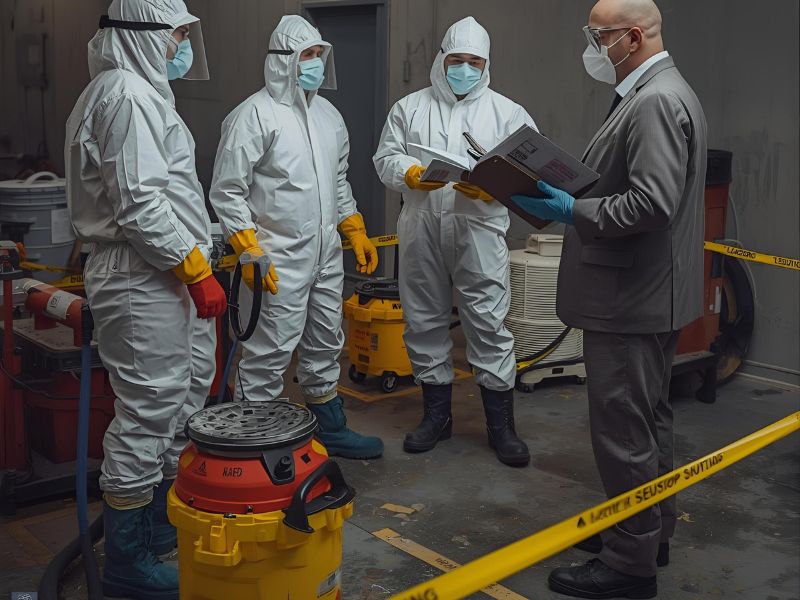
Starting a biohazard cleanup business requires more than just the right training and equipment. You need comprehensive insurance coverage that protects against the unique risks of handling hazardous materials, bodily fluids, and contaminated environments. Unlike standard cleaning services, biohazard cleanup companies face significantly higher liability exposure, making specialist insurance coverage absolutely essential, and it’s one of the first considerations when exploring how to start a biohazard cleaning business.
We'll walk you through every type of insurance you need, from basic liability protection to specialist environmental coverage. Understanding these requirements isn't just about compliance; it's about protecting your business, your team, and your financial future in one of the highest-risk sectors of the cleaning industry.
💰 Turn £20 Into a £3 Million Cleaning Business
Learn biohazard cleaning and earn more from one contract than traditional cleaners make in weeks
✅ 3000+ Certified
🏆 CPD Accredited
📈 Premium Rates
🎯 Face-to-Face & Virtual
Start Biohazard Cleaning Training Course
Join the 1% of cleaners earning specialist rates
Understanding Biohazard Cleanup Risks
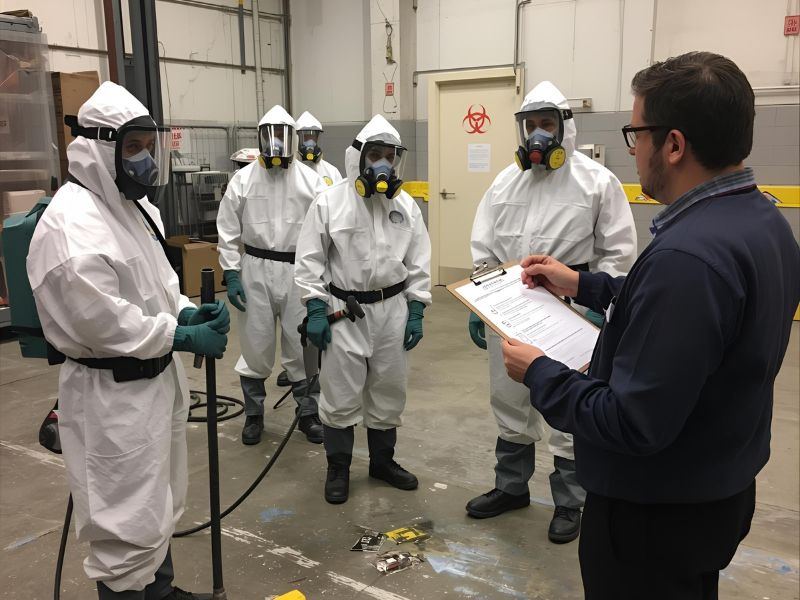
Biohazard cleanup presents unique challenges that standard business insurance simply cannot address. When dealing with crime scenes, trauma cleaning situations, or hazardous material disposal, you're exposed to risks including bloodborne pathogens, chemical contamination, and potential legal liability from improper cleanup procedures. This is why many people researching how to become a biohazard cleaner need to understand both the practical skills and the legal responsibilities involved.
The health risks alone make this work dangerous. Exposure to infectious diseases, chemical burns, and contaminated sharps create liability scenarios that general business policies don't cover. Professional biohazard cleanup companies must understand that a single lawsuit from improper handling of biohazard waste could be financially devastating without specialist cover.
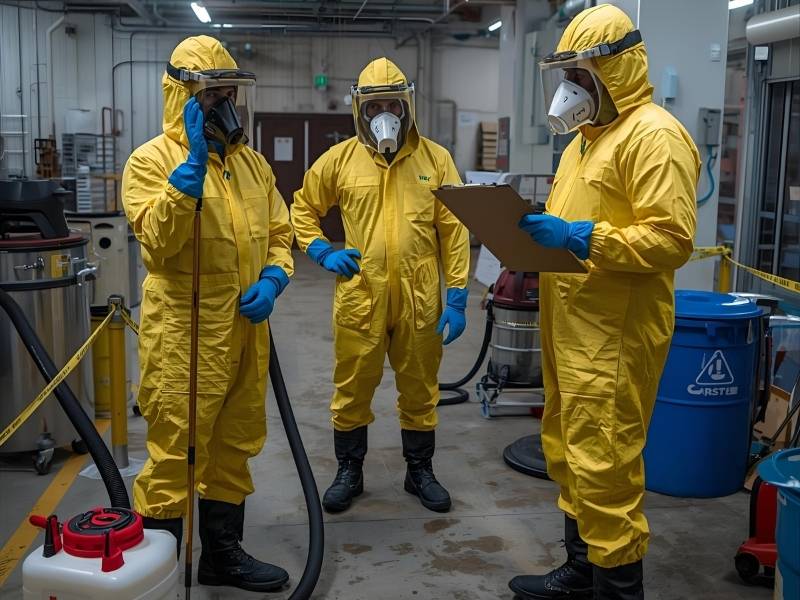
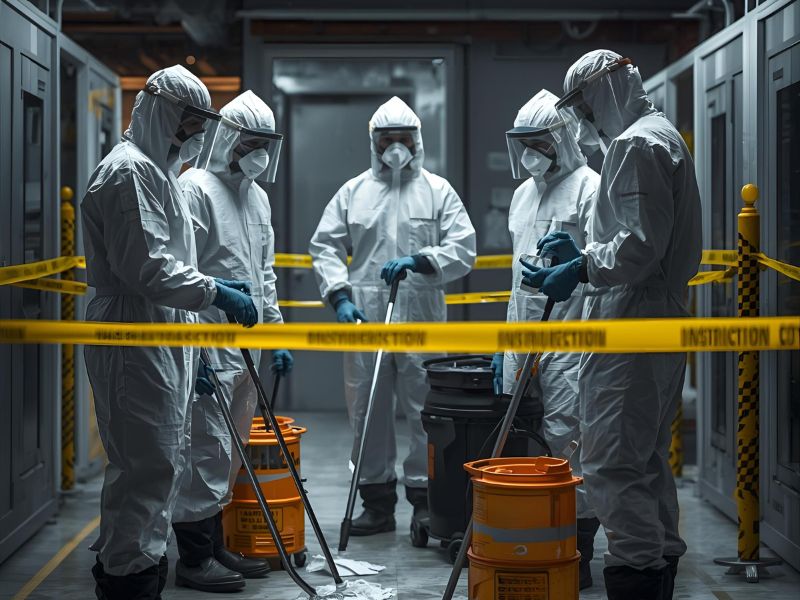
Workers in biohazard scenarios regularly handle materials that could cause serious illness or injury. The cleanup process itself involves specialised equipment, chemical treatments, and disposal procedures that, if done incorrectly, can lead to contamination spreading beyond the original site.
Why Standard Business Insurance Isn't Enough
General liability insurance typically covers third-party injuries and property damage but does not protect against employee exposure to hazardous materials, which is why specialist cover is essential. Standard policies exclude coverage for pollution, contamination, and many of the specific risks associated with handling biohazardous materials.
Most commercial property insurance policies don't cover the specialist equipment needed for biohazard work, including air filtration systems, containment barriers, and chemical treatment supplies. The thorough cleaning required in biohazard situations often involves equipment worth thousands of pounds that needs specific coverage.
Insurance companies classify biohazard work in the same risk bracket as pest control or demolition, driving up premiums if businesses do not have proper risk management in place. Without the right coverage, a single incident could result in claims running into tens of thousands of pounds in legal and medical costs.
General Liability Insurance for Third-Party Protection
Your general liability insurance forms the foundation of protection for any biohazard cleanup company. This coverage protects against claims from third parties who might be injured or whose property might be damaged during your cleanup operations. However, standard policies need specific enhancements for biohazard work.
Professional biohazard cleanup companies need policies that specifically include coverage for contamination liability. This means protection if your cleaning process inadvertently spreads contamination to areas that weren't originally affected. Standard policies often exclude this type of coverage, leaving businesses vulnerable.
The policy should cover both on-site incidents and any contamination that might occur during transport of hazardous materials. Many commercial contracts and government tenders will not allow a biohazard cleanup company to work on site without proof of specialist insurance, making adequate coverage essential for securing work.
Look for policies that include coverage for business interruption caused by contamination events. If your own premises become contaminated during the cleanup process, you need protection for lost income while the situation is resolved.
Workers' Compensation: Protecting Your Team
Workers' compensation claims in hazardous cleaning jobs are often higher than in standard cleaning roles due to the risks of bloodborne pathogens, chemicals, and sharp objects. Your team faces exposure to infectious diseases, chemical burns, and injuries from contaminated debris every day, which also helps explain why many people researching how much is a biohazard cleanup salary in the UK note the higher pay rates compared to standard cleaning roles.
Standard workers' compensation may not fully cover illnesses that develop over time from exposure to hazardous materials. You need policies that specifically address occupational illnesses related to biohazard exposure, including coverage for long-term medical monitoring and treatment.
The policy must cover the cost of immediate medical treatment following exposure incidents, including emergency decontamination procedures and preventive treatments. Trained professionals in this field require immediate access to medical care when exposure occurs, and delays can have serious consequences.
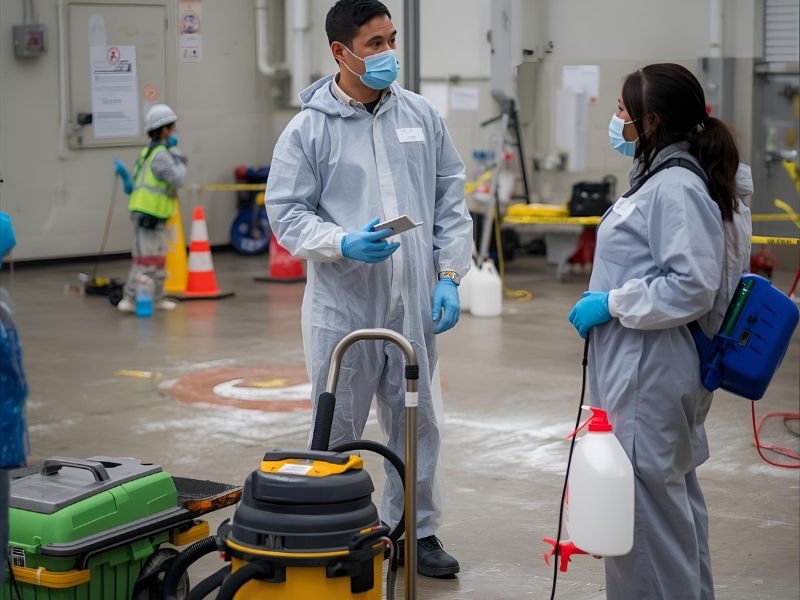
Personal protective equipment costs are not covered under general policies, which is why biohazard-specific policies are tailored to include them. Your workers' compensation should cover the replacement of contaminated PPE and the cost of upgraded protection equipment when dealing with particularly hazardous materials.
Professional Liability and Errors & Omissions Coverage
Professional liability insurance, sometimes called errors and omissions, protects against claims of negligence. For example, if a cleanup is incomplete and causes health issues later, this coverage protects your business from the resulting legal and financial consequences.
Biohazard cleanup companies face unique professional liability risks. If your team misses contaminated materials or fails to properly decontaminate an area, the consequences can be severe. Property owners and their families could face ongoing health risks, leading to substantial liability claims.
The coverage should include protection against claims arising from improper disposal of hazardous materials. Regulatory violations in waste disposal can result in significant fines and legal action, making this protection essential for any biohazard remediation business.
Technical expertise requirements in biohazard cleanup mean that even small errors can have major consequences. Your professional liability coverage should include protection for claims arising from failure to follow proper safety protocols or industry best practices.
💰 Turn £20 Into a £3 Million Cleaning Business
Learn biohazard cleaning and earn more from one contract than traditional cleaners make in weeks
✅ 3000+ Certified
🏆 CPD Accredited
📈 Premium Rates
🎯 Face-to-Face & Virtual
Start Biohazard Cleaning Training Course
Join the 1% of cleaners earning specialist rates
Pollution Liability: Environmental Protection
Pollution liability insurance is often overlooked but can cover contamination that spreads beyond the original cleanup site, which can be especially important in cases involving chemicals or sewage. This coverage protects against environmental damage that might occur during or after your cleanup operations.
The policy should cover both gradual and sudden pollution events. While you might be cleaning up existing contamination, your activities could inadvertently cause new environmental damage. This might include groundwater contamination, air pollution, or soil contamination from improper handling procedures.
Coverage should extend to third-party claims for property damage, bodily injury, and cleanup costs related to pollution events. If contamination spreads to neighbouring properties during your operations, the cleanup costs and legal liability can be substantial.
The insurance policy should also cover regulatory fines and penalties related to environmental violations. Government agencies can impose significant financial penalties for improper handling or disposal of hazardous materials, and these costs can quickly escalate.
Commercial Property Insurance Requirements
Your commercial property insurance needs to account for the unique equipment and facility requirements of biohazard cleanup operations. Standard policies often exclude coverage for specialised equipment used in contamination control and hazardous material handling.
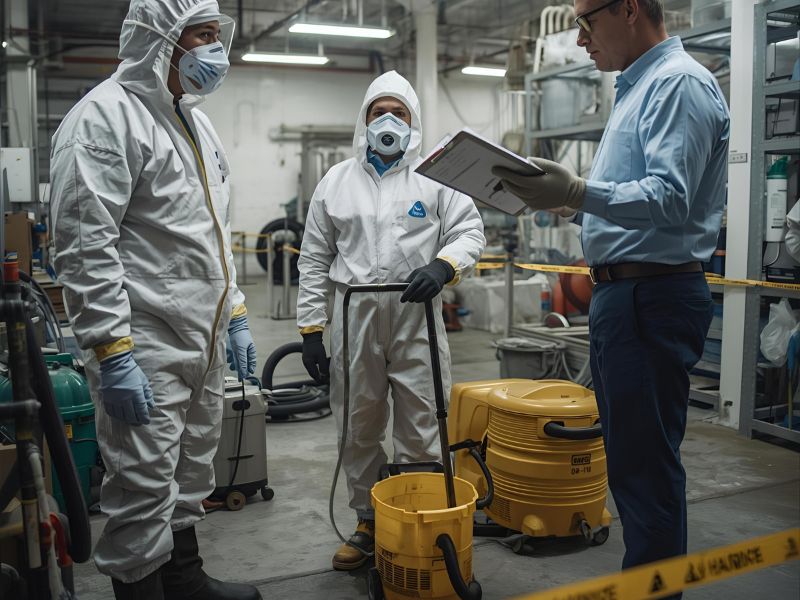
The policy should cover your specialised equipment including air scrubbers, negative air machines, containment systems, and chemical treatment equipment. This equipment is expensive to replace and essential for safe operations, making adequate coverage crucial for business continuity.
Coverage should extend to contamination of your own premises. If your facility becomes contaminated during the storage or treatment of hazardous materials, you need protection for decontamination costs and temporary relocation expenses.
Business interruption coverage becomes particularly important in biohazard cleanup operations. If regulatory authorities shut down your operations due to contamination or safety violations, you need protection for lost income during the shutdown period.
Equipment and Specialised Tool Coverage
Biohazard cleanup requires significant investment in specialised equipment that standard commercial policies may not adequately cover. Your equipment coverage needs to address the unique tools and technology essential for safe and effective cleanup operations.
Coverage should include portable decontamination units, chemical detection equipment, and personal monitoring devices. These tools are essential for ensuring worker safety and effective cleanup, but they're expensive to replace and may not be covered under standard equipment policies.
The policy should cover emergency replacement of critical equipment. When dealing with active contamination situations, delays in equipment replacement can extend exposure risks and increase liability. Some situations require immediate response, making quick equipment replacement essential.
Coverage should extend to equipment contamination and decontamination costs. If your equipment becomes contaminated during operations, the cost of professional decontamination or replacement can be substantial.
Legal Compliance and Regulatory Requirements
Understanding legal compliance requirements helps ensure your insurance coverage meets regulatory standards. Many contracts and tenders require specific insurance minimums before allowing biohazard cleanup companies to operate on their sites.
Government contracts often have strict insurance requirements, including minimum coverage amounts and specific policy features. Businesses that invest in correct insurance often find it easier to secure partnerships with hospitals, care homes, and local authorities.
Regulatory agencies may require proof of financial responsibility for environmental cleanup and remediation work. Your insurance policies serve as evidence of your ability to handle potential liabilities arising from your operations.
Professional certification and training requirements often tie directly to insurance coverage. Insurers may require evidence of proper training and certification for your team members, which is why many companies provide guidance on how to get certified in biohazard cleaning, and many offer premium discounts for companies that maintain high training standards.
Industry-Specific Insurance Features
Biohazard cleanup insurance policies include specific features not found in standard commercial coverage. These features address the unique risks and requirements of handling contaminated materials and operating in hazardous environments.
Coverage for infectious disease exposure includes both immediate treatment costs and long-term monitoring requirements. Workers may need ongoing medical monitoring after exposure to certain pathogens, and this coverage ensures these costs don't become a financial burden.
The policy should include coverage for psychological counselling and trauma support for workers. Crime scene cleanup and trauma cleaning can have significant psychological impacts on workers, and access to professional support services is essential.
Emergency response coverage helps ensure rapid deployment when time-sensitive situations arise. Some contamination events require immediate response to prevent spread, and insurance support for emergency mobilisation can be crucial.
Cost Management and Premium Reduction Strategies
Insurance premiums can often be reduced if companies can prove regular staff training, certification, and adherence to health and safety regulations. Implementing comprehensive safety protocols and maintaining detailed documentation can significantly impact your insurance costs.
Risk management programmes that include regular equipment maintenance, staff training updates, and safety audits can help reduce premiums. Insurance providers recognise that well-managed companies present lower risks and often offer discounts accordingly.
Investing in higher-quality safety equipment and following industry best practices can also help control insurance costs. While the initial investment may be higher, the long-term savings in insurance premiums and reduced claim frequency often justify the expense.
Working with insurance providers who specialise in biohazard cleanup can help ensure you get appropriate coverage at competitive rates. Specialist insurers understand the unique risks and can structure policies that provide comprehensive protection without unnecessary coverage gaps.
Selecting the Right Insurance Provider
Choosing an insurance company with experience in biohazard cleanup and hazardous material handling ensures they understand your specific risks and coverage needs. Not all insurers have expertise in this specialised field, and working with the wrong provider can leave you with inadequate coverage.
Look for insurers who offer 24-hour claims support and emergency response services. Biohazard incidents don't follow business hours, and you need an insurance partner who can provide immediate support when emergencies arise.
The insurance provider should offer risk management support and safety consultation services. The best insurers work with their clients to prevent claims through improved safety practices and proper training programmes.
Evaluate the insurer's financial stability and claims-paying history. In the event of a major claim, you need confidence that your insurance company has the financial resources to meet its obligations promptly.
Claims Management and Documentation
Proper documentation and claims management procedures are essential for successful insurance claims in biohazard cleanup operations. The complex nature of contamination incidents requires detailed record-keeping and careful documentation of all cleanup activities.
Maintain detailed photographic records of all cleanup sites before, during, and after remediation work. These records provide essential evidence for insurance claims and help demonstrate the scope and thoroughness of your work.
Document all safety protocols followed, equipment used, and disposal methods employed. Insurance providers need detailed information about your procedures to process claims effectively and verify that proper protocols were followed.
Immediate notification procedures for potential claims situations help ensure prompt insurance company involvement. Early notification allows insurers to provide guidance and support that can help minimise the scope and cost of incidents.
💰 Turn £20 Into a £3 Million Cleaning Business
Learn biohazard cleaning and earn more from one contract than traditional cleaners make in weeks
✅ 3000+ Certified
🏆 CPD Accredited
📈 Premium Rates
🎯 Face-to-Face & Virtual
Start Biohazard Cleaning Training Course
Join the 1% of cleaners earning specialist rates
Building Strong Industry Partnerships
The right insurance coverage helps build credibility with potential clients and industry partners. Many commercial contracts require proof of comprehensive insurance before awarding cleanup contracts, making adequate coverage essential for business growth.
Healthcare facilities, government agencies, and commercial property owners increasingly require proof of specialist insurance before allowing biohazard cleanup companies on their premises. Your insurance coverage becomes a competitive advantage in securing these valuable contracts.
Professional certifications and industry memberships often provide access to group insurance programmes with better coverage options and competitive rates. These programmes leverage the collective buying power of industry members to secure better terms.
Building relationships with insurance brokers who specialise in environmental and biohazard coverage can help ensure you maintain appropriate coverage as your business grows and evolves.
Get Your Free Quote and Training from Biohazard Cleaning Courses
Understanding insurance requirements is just one part of building a successful biohazard cleanup business. Proper training, certification, and ongoing education are equally important for managing risks and maintaining adequate insurance coverage.
At Biohazard Cleaning Courses, we provide comprehensive training programmes that not only teach proper cleanup techniques but also help you understand insurance requirements and risk management strategies. Our courses cover everything from basic safety protocols to advanced contamination control methods.
We work with insurance providers and industry experts to ensure our training programmes meet current industry standards and help participants qualify for competitive insurance rates. Many insurers offer discounts to businesses whose staff have completed recognised training programmes.
Contact Biohazard Cleaning Courses today for your free quote on training programmes and expert guidance on building a successful, properly insured biohazard cleanup business. We'll help you understand not just what insurance you need, but how to operate safely and profitably in this challenging but rewarding industry.