When water invades your home, every minute counts. Whether it's from heavy rainfall, a burst pipe, or a small leak that's escalated, knowing how to remove water from a flooded room quickly and safely can save you thousands in damage costs. We at Biohazard Cleaning Courses have seen firsthand how proper water removal techniques can mean the difference between a minor inconvenience and a major disaster.
Just 1 inch of standing water in a typical room can add up to hundreds of gallons that need removing – often more than 600 litres in an average living room. This staggering amount highlights why immediate action is so crucial when dealing with flooded property.
💧 £1.8 Billion Insurance Claims Market
1 in 5 UK homes affected - master restoration techniques for massive opportunity
🏠 1 in 5 Homes
💰 £1.8B Claims
🎯 CPD Training
🌊 Storm Damage
Start Water Damage Restoration Training
Turn flood emergencies into profitable contracts
Understanding the Scale of Water Damage
Before we dive into removal techniques, it's important to understand what you're dealing with. Flood water doesn't just sit on the surface – it penetrates everything. Carpets can hold up to four times their weight in water, which makes them incredibly heavy and difficult to dry if not treated quickly. Meanwhile, even clean water from a burst pipe can become contaminated within 48-72 hours, turning into a health hazard if not dealt with promptly.
Many property owners underestimate the complexity of water damage. On average, every square metre of saturated drywall can hold nearly 3-4 litres of water, meaning walls can take much longer to dry than expected. This is why we always recommend treating any flooded room as a serious situation requiring immediate attention.
Safety First: Essential Precautions Before Starting
When dealing with any flooded house situation, safety must be your top priority. Before you begin any water removal work, you need to assess the risks and take proper precautions.
Electrical Safety
Electricity and water create a deadly combination. Even just 6 inches of water is enough to short out wall sockets and appliances. Before entering a flooded room, ensure the electricity supply to the affected area is switched off at the main board. If you cannot safely reach the electrical panel, contact a qualified electrician immediately.
Never assume that electrical equipment in a flooded property is safe. Water often seeps into hidden areas like subfloors, insulation, and wall cavities where wiring may be present. Professional moisture meters can detect dampness that's invisible to the eye, revealing hidden electrical risks.
Personal Protection
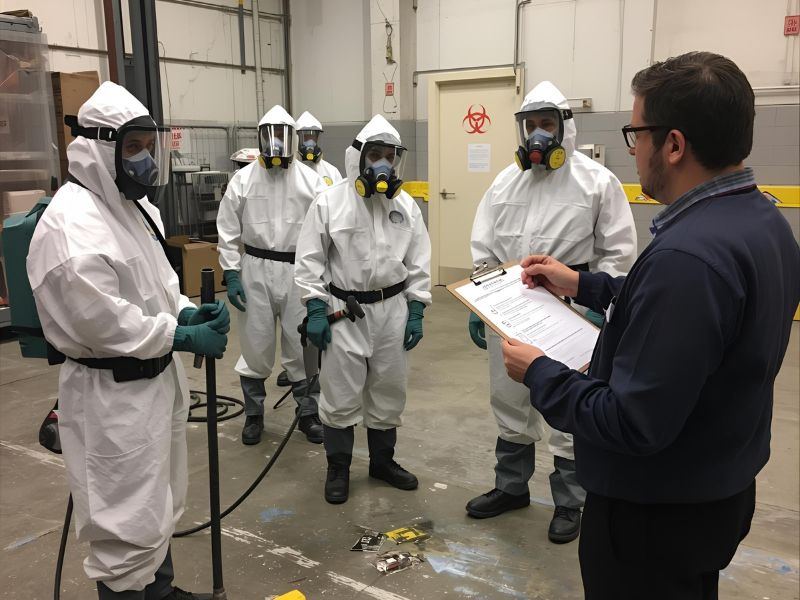
Always wear protective clothing when dealing with contaminated water or any standing water that has been present for more than a few hours. This includes waterproof boots, rubber gloves, and protective eyewear. Goggles offer added protection against splashes that could contain harmful bacteria or other contaminants.
For enclosed spaces or areas with poor air circulation, consider wearing a face mask to avoid inhaling potentially harmful particles or exhaust gases from equipment like petrol or diesel generators.
Step-by-Step Water Removal Process
Step 1: Remove as Much Standing Water as Possible
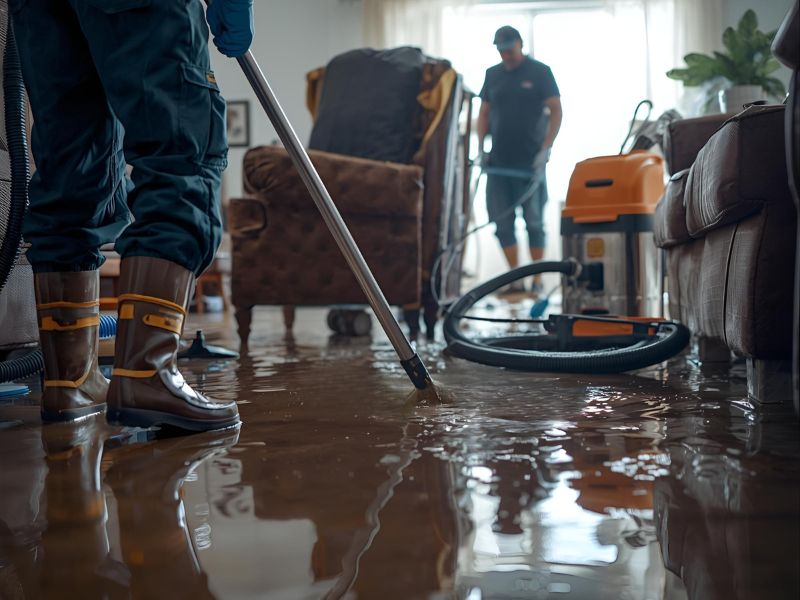
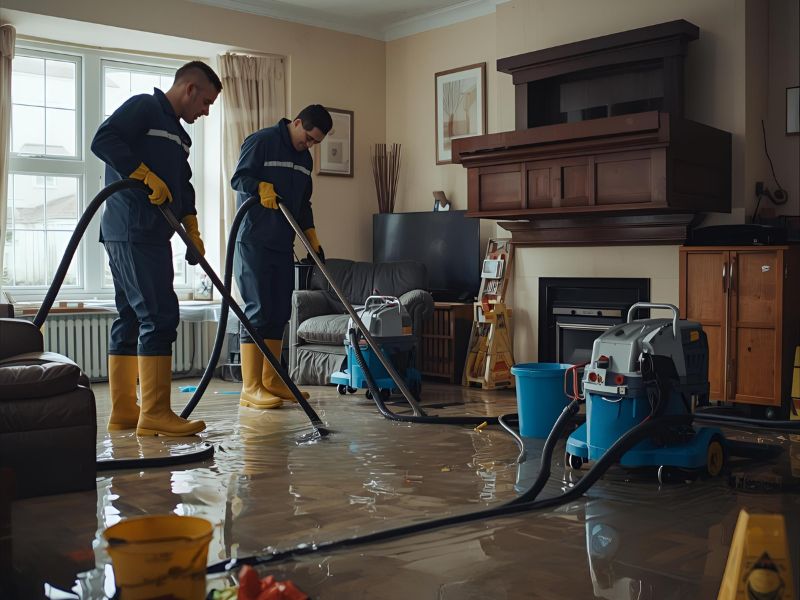
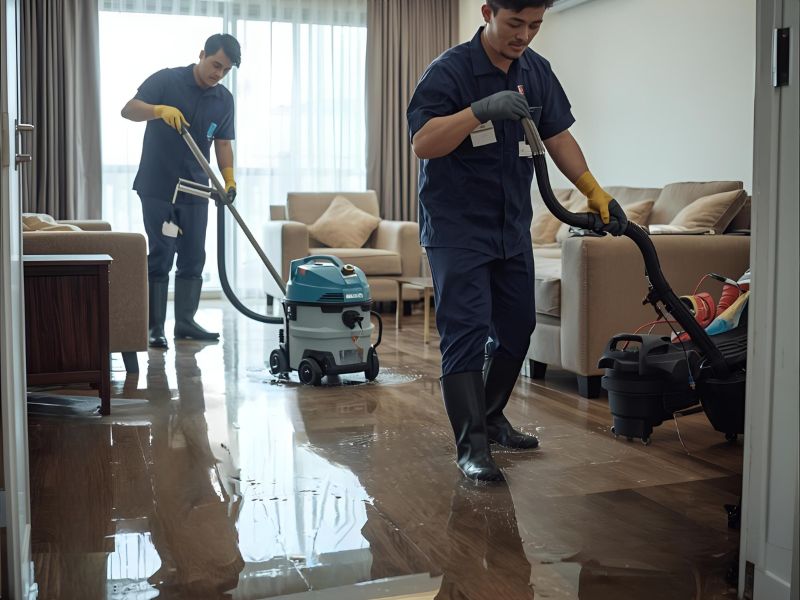
The first priority is to extract as much standing water as you can using mechanical means. A wet dry vacuum is one of the most effective tools for this job, capable of handling both large volumes and tight spaces. These machines are designed specifically for water extraction and are much more effective than standard household vacuums.
For larger volumes of standing water, you might need to use buckets, pumps, or even professional water extraction equipment. The goal is to remove as much visible water as possible before it can soak deeper into materials like wooden floors, which can start to warp or buckle in as little as 12-24 hours when left in standing water.
Step 2: Remove Wet Items and Materials
Once you've extracted the bulk of the flood water, focus on removing wet items from the affected area. This includes furniture, rugs, personal belongings, and any materials that cannot be properly dried in place.
Wet carpets should be removed entirely if they've been saturated, as they can harbour harmful bacteria and contribute to mould growth. Wet insulation loses up to 40% of its thermal performance once saturated, so it often needs replacing rather than just drying.
Sort items as you remove them. Some may be salvageable with proper cleaning and drying, whilst others may need to be discarded. Water damaged items that have been exposed to contaminated water for extended periods pose health risks and should be handled with extra care.
Step 3: Begin the Drying Out Process
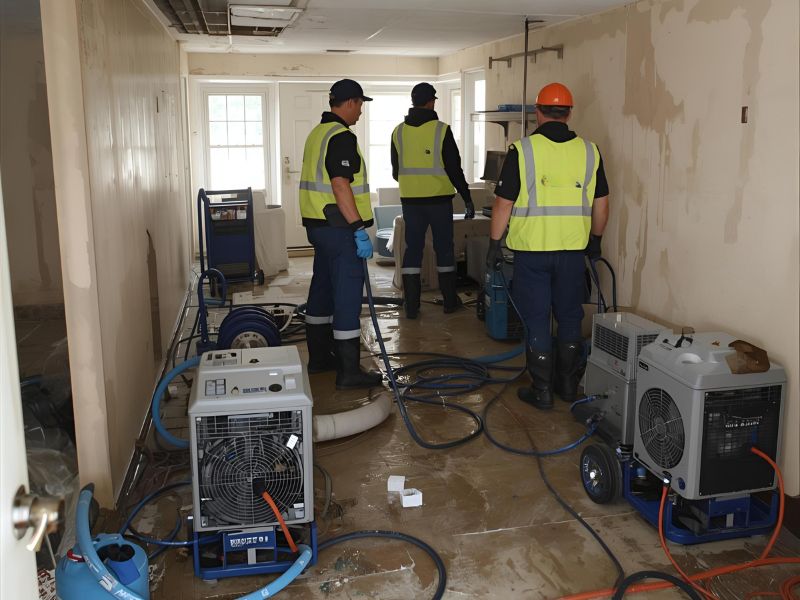
With excess water removed, the drying out process can begin. This is where understanding air circulation becomes crucial. Household fans typically circulate around 1,000 cubic feet of air per minute, but professional air movers can push up to 3,000-5,000 cubic feet per minute, making them far more effective at speeding up the drying process and offering practical insight into how to dry out a house after water damage.
Open windows and doors to promote fresh air circulation, but be mindful of outdoor humidity levels. If it's very humid outside, this can actually slow down the drying process. In such cases, you'll need to rely more heavily on mechanical dehumidification.
Step 4: Implement Proper Dehumidification
A flooded room can increase indoor humidity levels to over 80%, creating the perfect environment for bacteria, mould, and dust mites. This is where dehumidifiers become essential. A single industrial dehumidifier can remove 20-30 litres of moisture from the air per day, helping to speed up the drying process significantly.
Place dehumidifiers strategically around the room, ensuring good ventilation around each unit. You may need multiple units for larger spaces or areas with severe water retention.
Dealing with Different Types of Water
Understanding the source of your flood water is crucial for determining the appropriate removal and cleaning methods.
Clean Water Sources
Water from broken pipes, overflowing sinks, or heavy rainfall is generally considered clean water initially. However, this classification changes rapidly. For every hour water sits in a room, the cost and complexity of restoration can rise significantly, as materials absorb more moisture and contamination increases.
Contaminated Water Sources
Water from sewage backups, washing machines, or dishwashers may contain detergents, chemicals, or biological contaminants. Such water requires more careful handling and may necessitate professional help. The affected area will need thorough washing with appropriate cleaning solutions.
When dealing with potentially contaminated water, never use items like wooden chopping boards or wooden spoons that may have been exposed, as these porous materials can harbour bacteria even after cleaning.
Professional Equipment vs DIY Approaches
While many property owners attempt to handle water removal themselves, there are situations where professional equipment and expertise are necessary.
When to Use Professional Services
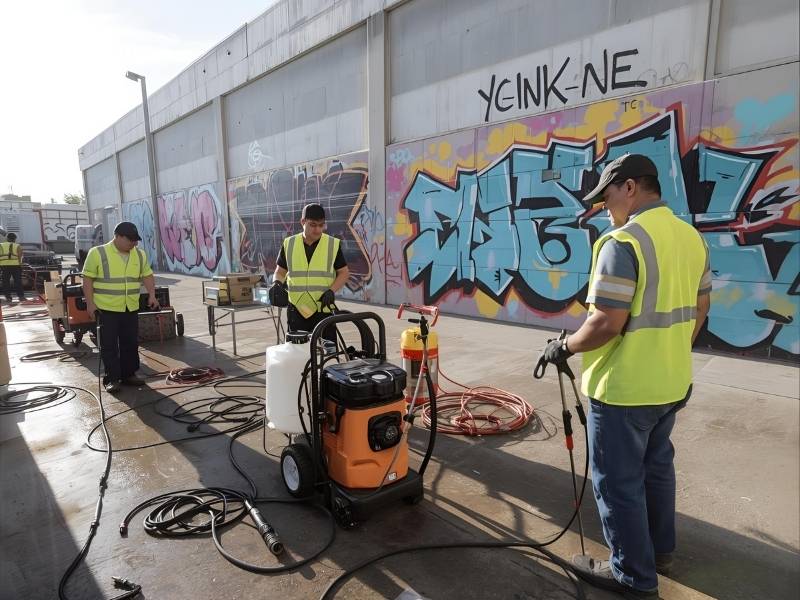
If you're dealing with large volumes of water, contaminated water, or if structural damage is suspected, it's time to call for professional advice. Experienced flooding restoration specialists have access to industrial-grade equipment and understand the complexities of moisture levels in different materials.
Professional water extraction teams also have the expertise to identify potential contaminants and other health hazards that might not be obvious to property owners.
DIY Equipment Options
For smaller incidents, several pieces of equipment are available from DIY stores. Wet dry vacuums, fans, and small dehumidifiers can be effective for minor flooding situations. However, these tools have limitations compared to professional equipment.
If you choose to use petrol or diesel generators to power equipment, ensure adequate ventilation to prevent carbon monoxide poisoning. Never use these generators in enclosed spaces.
💧 £1.8 Billion Insurance Claims Market
1 in 5 UK homes affected - master restoration techniques for massive opportunity
🏠 1 in 5 Homes
💰 £1.8B Claims
🎯 CPD Training
🌊 Storm Damage
Start Water Damage Restoration Training
Turn flood emergencies into profitable contracts
Understanding Hidden Water Damage
One of the biggest challenges in water removal is dealing with water that you cannot see. Water often seeps into hidden areas like subfloors, insulation, and wall cavities. This hidden moisture can cause ongoing problems long after the visible water has been removed.
The smell associated with flood damage is often caused by bacteria and mould spores thriving in damp conditions, not just the water itself. If you notice persistent odours after water removal, it's likely that hidden moisture remains.
Checking for Complete Dryness
Professional moisture metres are essential for confirming that all water has been properly removed. These devices can detect moisture in materials that appear dry on the surface. Without proper moisture detection, you may miss areas that will later develop mould growth.
Mould can begin growing within 24-48 hours after flooding if the water isn't removed and the area isn't properly dried. This rapid timeline emphasises why thorough drying is so crucial.
Special Considerations for Different Room Types
Bathrooms and Kitchens
These rooms often have additional challenges due to existing plumbing and electrical equipment. Work surfaces may need special attention, and you'll need to ensure that water hasn't penetrated behind fitted units.
If you have a working dishwasher or washing machine that wasn't directly affected, you may still need to check for water damage around these appliances.
Bedrooms and Living Areas
These spaces typically contain more personal belongings and furniture. Priority should be given to removing valuable or sentimental items first. Remember that other clothes and fabrics may need to be washed in a separate cycle from your regular laundry to prevent cross-contamination.
Basements and Cellars
These areas are particularly challenging because water naturally flows downward. They often have poor air circulation, making the drying process more difficult. You may need additional equipment to achieve adequate air circulation in these spaces.
Post-Removal Cleaning and Restoration
Once you've successfully removed the water and completed the initial drying process, the cleaning and restoration phase begins. This involves more than just mopping up – you need to address potential contamination and ensure all surfaces are properly sanitised, a key part of the expertise required when learning how to start a water damage restoration business.
Sanitisation Process
Use appropriate cleaning solutions to sanitise all affected surfaces. Pay particular attention to areas that may have been in contact with contaminated water. This thorough washing is essential for preventing health problems later on.
Some materials may require specialist cleaner products designed specifically for flood damage restoration. These products are formulated to deal with the types of bacteria and contaminants commonly found in flood water.
Checking Your Insurance Coverage
Most insurance company policies have specific clauses regarding flood damage. Contact your insurance company as soon as possible to report the incident and understand what coverage you have. Document everything with photographs and keep records of all expenses related to water removal and restoration.
Understanding your insurance coverage can help you decide whether to tackle the job yourself or bring in professional help. Some policies may require professional assessment or cleaning to maintain coverage.
Prevention and Future Protection
Learning how to remove water from a flooded room is important, but preventing future incidents is even better. Regular maintenance of plumbing systems, proper drainage around your property, and understanding the early warning signs of water problems can save you from future flooding incidents.
Regular Maintenance Checks
Inspect your property regularly for small holes, leaks, or areas where water might accumulate. Early detection of a small leak can prevent it from becoming a major flooding incident.
Check that drainage systems around your property are clear and functioning properly, especially before periods of heavy rainfall.
Emergency Preparedness
Keep basic water removal equipment accessible, including a wet dry vacuum, rubber gloves, and waterproof clothing. Having these items readily available can make a significant difference in how quickly you can respond to a flooding incident.
Know the location of your main water shut-off valve and electrical panel. In an emergency, being able to quickly stop the water supply or cut electricity can prevent a bad situation from becoming worse.
Health and Safety Considerations
Working with flood water and during the drying out of a property process can expose you to various health risks. Understanding these risks and taking appropriate precautions is essential for protecting yourself and your family.
Biological Hazards
Standing water can quickly become a breeding ground for harmful bacteria, viruses, and other pathogens. This is especially true for water that has been contaminated with sewage, soil, or other organic matter. Even initially clean water can become hazardous within 48-72 hours.
Respiratory Concerns
The drying process can release particles and spores into the indoor environment. If you have respiratory conditions or allergies, take extra precautions when working in affected areas. Ensure good ventilation and consider using appropriate respiratory protection.
Chemical Hazards
If the flooding involved water from appliances, there may be chemical contamination from detergents, cleaners, or other household chemicals. Handle such contamination with extra care and ensure proper ventilation during cleanup.
When to Call Professionals
While many water removal tasks can be handled by property owners, there are situations where professional intervention is necessary or advisable.
Extensive Damage
If the flooding affects multiple rooms, has caused structural damage, or involves contaminated water, professional help is usually required. The complexity of large-scale water removal and the risk of improper drying make professional expertise valuable.
Health and Safety Concerns
If you're dealing with potentially contaminated water, have health conditions that might be aggravated by the work, or are uncomfortable with any aspect of the water removal process, don't hesitate to seek professional advice.
Insurance Requirements
Some insurance company policies require professional assessment or remediation for coverage to remain valid. Check with your insurer before beginning extensive DIY restoration work.
Time Constraints
Professional teams can work much faster than individual property owners, especially for extensive damage. If time is critical to prevent further damage or if you need to restore the space quickly, professional help may be worth the investment.
Final Steps and Quality Assurance
After completing the water removal and drying process, it's important to verify that the job has been done thoroughly. This final quality check can prevent future problems and ensure your property is truly restored.
Moisture Testing
Use moisture metres to check that all materials have returned to normal moisture levels. Pay particular attention to areas that might retain moisture longer, such as thick walls, wooden structures, and insulation spaces.
Air Quality
Monitor the indoor environment for unusual odours, which could indicate remaining moisture or developing mould. The air should smell fresh and clean once the process is complete.
Visual Inspection
Look for signs of remaining water damage, including staining, warping, or other visible changes to materials. Address any issues promptly to prevent long-term problems.
Documentation
Keep records of the entire process, including photographs, receipts for materials and equipment, and notes about any damage discovered. This documentation can be valuable for insurance claims and future reference.
💧 £1.8 Billion Insurance Claims Market
1 in 5 UK homes affected - master restoration techniques for massive opportunity
🏠 1 in 5 Homes
💰 £1.8B Claims
🎯 CPD Training
🌊 Storm Damage
Start Water Damage Restoration Training
Turn flood emergencies into profitable contracts
Taking Swift Action Saves More Than Money
Successfully removing water from a flooded room requires quick thinking, proper equipment, and systematic approach. The key is acting fast – for every hour water sits in a room, the cost and complexity of restoration can rise significantly. By following the methods we've outlined and prioritising safety throughout the process, you can minimise damage and restore your property effectively.
Remember that while many water removal tasks can be handled independently, there's no shame in seeking professional help when the situation demands it. At Biohazard Cleaning Courses, we understand that dealing with water damage can be overwhelming, and sometimes the expertise and equipment that professionals bring can make all the difference.
Whether you tackle the job yourself or decide to bring in professional support, the most important thing is to act quickly and safely. With the right approach, most water damage can be successfully remediated, restoring your property to its former condition.
If you're dealing with a complex flooding situation or want professional assessment of your water damage, don't hesitate to contact Biohazard Cleaning Courses for a free quote. Our experienced team can provide the expertise and equipment needed to handle even the most challenging water removal situations safely and effectively.