Water damage strikes when people least expect it. Every single day, around 14,000 people experience a water damage emergency at home or work, creating an enormous demand for professional restoration services. If you're considering starting a restoration business, you're entering a sector worth billions annually across the UK and US, with consistent year-on-year growth driven by climate change, burst pipes, and ageing property infrastructure.
The water damage restoration industry offers exceptional opportunities for entrepreneurs who understand the market. With average repair costs ranging from £1,000 to over £10,000 depending on severity, and profit margins potentially reaching 20% to 50%, this sector provides both financial rewards and the satisfaction of helping people during emergencies.
💧 £1.8 Billion Insurance Claims Market
1 in 5 UK homes affected - master restoration techniques for massive opportunity
🏠 1 in 5 Homes
💰 £1.8B Claims
🎯 CPD Training
🌊 Storm Damage
Start Water Damage Restoration Training
Turn flood emergencies into profitable contracts
Understanding the Water Damage Restoration Industry
The restoration industry has evolved into a sophisticated sector requiring technical expertise, rapid response capabilities, and strong business acumen. Unlike many other service businesses, water restoration companies operate in a recession-resistant market because emergencies happen regardless of economic conditions, and resources explaining how to dry out a house after water damage often underline just how essential these services are.
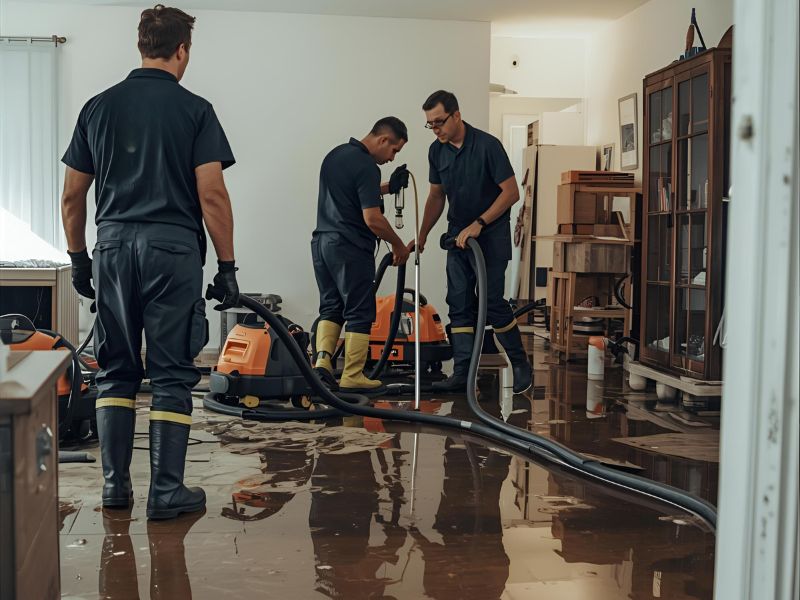
Water damage jobs extend far beyond floods. Leaking appliances, burst pipes, roof failures, and fire suppression systems create constant demand for restoration services. Industry professionals report that roughly 98% of basements will experience some form of water damage during their lifetime, highlighting the vast potential market.
Insurance companies play a crucial role in this industry, paying out billions annually for water damage and mould claims. In the US alone, water damage insurance claims account for nearly 30% of all property insurance claims. Many insurers prefer working with approved restoration companies, creating valuable referral opportunities for established businesses.
Creating Your Water Damage Restoration Business Plan
Your business plan serves as the foundation for your restoration business success. This document should outline your service offerings, target market, financial projections, and growth strategies. A comprehensive restoration business plan demonstrates professionalism to potential investors, insurance partners, and lending institutions.
Start by conducting market research to understand local competition and demand. Examine other restoration businesses in your area, their pricing structures, and service gaps you could fill. Your market analysis should identify specific neighborhoods or commercial areas where water damage incidents occur frequently.
Define your service offerings clearly. Will you focus exclusively on water restoration, or expand into related services like mold remediation, fire damage restoration, and reconstruction services? Many successful restoration companies diversify their revenue streams by offering multiple mitigation services.
Your financial projections should include startup costs, ongoing operational expenses, and revenue forecasts. Factor in equipment purchases, vehicle costs, insurance premiums, and certification fees. Most new restoration businesses can begin operations with basic equipment like dehumidifiers, air movers, and moisture meters, then scale as demand grows.
Consider your business structure carefully. Whether you choose a limited company, partnership, or sole proprietorship affects your tax obligations, liability exposure, and ability to secure contracts with insurance companies. Consult with an accountant or business advisor to determine the most suitable structure for your restoration business.
Essential Certifications and Training Requirements
Industry certifications are crucial for establishing credibility and securing insurance contracts. The primary certifying body for restoration professionals offers various qualification levels, from basic water restoration technician to advanced project managers credentials.
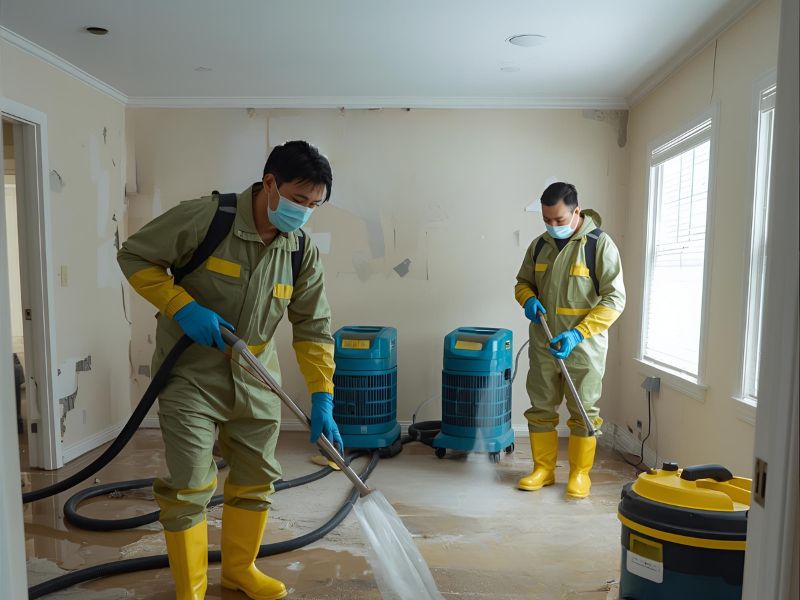
Start with fundamental water damage restoration training that covers moisture detection, drying principles, and equipment operation. Many certification programs can be completed online or through hands-on workshops. These qualifications demonstrate your commitment to professional standards and help differentiate your restoration business from competitors.
Smoke restoration technician certification adds another revenue stream to your business. Fire damage often involves water damage from suppression systems, making this combination particularly valuable. The additional training investment typically pays for itself within the first few jobs.
Consider pursuing specialized certifications in mold remediation. Given that moisture problems often lead to mold growth, this expertise allows you to provide comprehensive solutions and prevents customers from needing multiple contractors. This integrated approach often results in higher project values and satisfied clients who appreciate one-stop service.
Training shouldn't stop after initial certification. The restoration industry continuously evolves with new techniques, equipment, and regulations. Regular continuing education ensures your team stays current with best practices and maintains industry certifications.
Acquiring Essential Equipment and Tools
Equipment represents one of the largest startup costs for a water restoration company. However, you don't need every piece of equipment immediately. Begin with basic equipment that handles the most common scenarios, then expand your inventory as business grows.
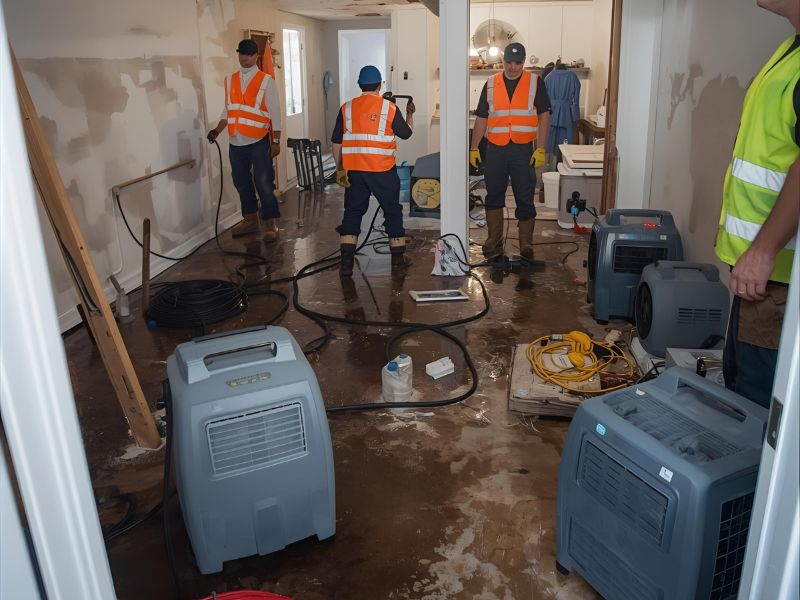
Air movers are essential for any water restoration business. These powerful fans circulate air to accelerate evaporation and drying. Start with at least four to six air movers of different sizes to handle various room configurations. Quality equipment from reputable manufacturers ensures reliability during emergency situations.
Industrial dehumidifiers remove moisture from the air, working alongside air movers to create optimal drying conditions. Purchase both refrigerant and desiccant dehumidifiers to handle different environmental conditions. Refrigerant units work well in normal temperatures, while desiccant models perform better in cold conditions.
Moisture detection equipment is crucial for assessment and monitoring. Invest in quality moisture meters, infrared cameras, and hygrometers to accurately assess damage and track drying progress. These proper tools allow you to document conditions for insurance claims and ensure thorough restoration.
Water extraction equipment removes standing water quickly and efficiently. Truck-mounted or portable extractors speed up the initial mitigation process and prevent secondary damage, making them indispensable for both professionals and homeowners learning how to remove water from a flooded room effectively. Many restoration businesses start with portable units and upgrade to truck-mounted systems as their business scales.
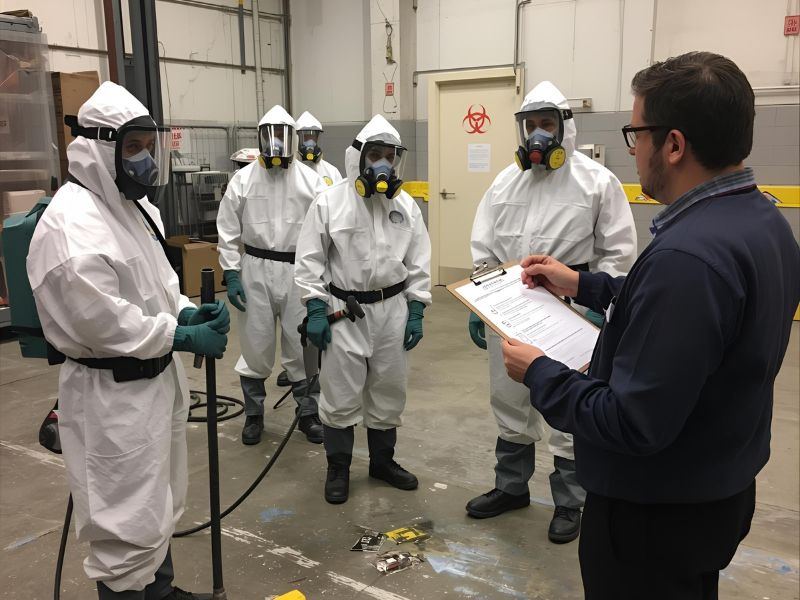
Don't overlook smaller tools and supplies. Protective equipment, plastic sheeting, antimicrobial treatments, and documentation materials are essential for professional operations. Create relationships with equipment suppliers who offer financing options and reliable support services.
Building Your Service Area and Target Market
Defining your service area strategically impacts your response times and operational efficiency. Most successful restoration businesses start with a focused geographic area they can serve within 30-60 minutes. Emergency response time directly affects customer satisfaction and insurance company relationships.
Your target market should include both residential and commercial customers. Property owners experiencing water damage need immediate assistance, making them highly motivated buyers. Property managers overseeing multiple buildings provide opportunities for ongoing relationships and repeat business.
Develop relationships with insurance agents who encounter water damage claims regularly. These professionals often recommend restoration companies to their clients. Many insurance agents appreciate having reliable restoration businesses they can confidently refer to their policyholders.
Commercial buildings represent significant opportunities for larger projects. Office buildings, retail spaces, and industrial facilities typically involve more extensive damage and higher project values. Commercial customers often require 24/7 availability and faster response times but compensate with larger contracts.
Consider specializing in specific types of properties or damage scenarios. Some restoration businesses focus on historic buildings, luxury homes, or specific commercial sectors. Specialization allows you to develop expertise and charge premium prices for specialized knowledge.
Developing Effective Marketing Strategies
Digital marketing plays a huge role in the restoration industry. Studies show that the majority of water damage service calls come from people searching online during emergency situations. Your marketing strategy must ensure your business appears prominently when people need help immediately.
Search engine optimization for local searches is critical. When someone searches for water damage restoration in your area, your business should appear in the top results. Focus on local keywords and maintain consistent business information across all online directories and mapping services.
Emergency call-out availability sets successful restoration businesses apart from competitors. Businesses that offer 24/7 response and fast response times can command higher prices and build stronger customer loyalty. Your marketing materials should emphasize immediate availability and rapid response capabilities.
Build relationships with complementary service providers. Plumbers, HVAC contractors, and general contractors encounter water damage situations regularly. These professionals can become valuable referral sources when they trust your restoration business to handle their customers properly.
Social media marketing helps establish your restoration business as a trusted local expert. Share educational content about preventing water damage, showcase successful restoration projects, and highlight your team's expertise. This content builds credibility and keeps your business visible to potential customers.
Don't neglect traditional marketing entirely. Vehicle graphics, business cards, and local directory listings remain important for building local recognition. Many commercial customers and insurance professionals still prefer traditional methods of finding service providers.
📱 1.58 Billion TikTok Users
Revolutionary social media marketing with massive UK SME contribution
👥 1.58B Users
🇬🇧 UK SME Success
📈 Revolutionary Marketing
🎯 Target Audience
Start Our TikTok Marketing Course
Harness social media's biggest platform
Managing Insurance Relationships and Claims
Insurance companies are crucial partners for most water restoration businesses. Understanding the claims process and building relationships with insurance adjusters can significantly impact your business success. Many insurers prefer working with proven business models that follow industry standards and provide detailed documentation.
Develop systems for thorough documentation of damage and restoration work. Insurance companies require detailed photos, moisture readings, and progress reports throughout the restoration process. Professional documentation protects both your business and the customer's insurance claim.
Learn to work efficiently within insurance company guidelines and preferred vendor programs. Many insurance companies maintain networks of approved restoration professionals who receive direct referrals. Getting approved for these programs can provide steady work but requires meeting specific qualifications and standards.
Understand different types of coverage and policy limitations. Not all insurance policies cover the same perils or restoration methods. Being able to explain coverage options to customers and work within policy constraints makes you more valuable to insurance professionals.
Build relationships with independent adjusters who handle claims for multiple insurance companies. These professionals often have flexibility in choosing restoration companies and can become valuable long-term partners for your business.
Financial Management and Growth Strategies
Cash flow management is critical in the restoration business. Insurance payments can take weeks or months to arrive, while you need to pay employees and suppliers immediately. Plan for this timing gap by maintaining adequate working capital or establishing credit lines with suppliers.
Track your project costs carefully to maintain healthy profit margins. Material costs, labor expenses, and equipment depreciation can quickly erode profitability if not monitored closely. Use job management software to track costs and ensure accurate pricing on future projects.
Plan for business growth by reinvesting profits into additional equipment and training. As your restoration business grows, you'll need more sophisticated equipment and larger teams to handle multiple projects simultaneously. This growth requires careful planning to maintain service quality while expanding capacity.
Consider diversifying into related services to increase revenue opportunities. Fire damage restoration, mold remediation, and reconstruction services complement water restoration work and provide additional profit centers. Many successful restoration businesses become full service restoration companies offering comprehensive solutions.
Monitor your business operations regularly to identify improvement opportunities. Track response times, customer satisfaction, and project completion rates to ensure your business maintains high standards. Regular analysis helps identify trends and areas where additional training or equipment might be beneficial.
Legal Considerations and Business Operations
Proper licensing and insurance are fundamental requirements for any restoration business. General liability insurance protects against accidents and property damage during restoration work. Professional liability coverage protects against errors in your restoration process or recommendations.
Understand local regulations and permitting requirements for restoration work. Some jurisdictions require specific licenses for water damage work or mold remediation. Ensure your own restoration business complies with all applicable regulations to avoid legal problems and maintain professional credibility.
Develop contracts and pricing structures that protect your business while providing fair terms to customers. Clear contracts prevent misunderstandings about scope of work, payment terms, and change orders. Many restoration professionals use standardized contracts adapted to their specific business needs.
Consider the employment law implications as your business grows. Hiring employees requires understanding wage and hour laws, safety regulations, and workers' compensation requirements. Many restoration businesses start with independent contractors and transition to employees as they grow.
Establish relationships with legal and accounting professionals who understand the restoration industry. These advisors can help navigate complex insurance disputes, contract negotiations, and business growth decisions.
Building Your Team and Scaling Operations
As your water restoration business grows, hiring the right team becomes crucial for maintaining service quality and managing multiple projects. Look for employees with strong work ethics and customer service skills. Technical skills can be taught, but attitude and reliability are essential character traits.
Invest in ongoing training for your restoration professionals. Regular skills development keeps your team current with industry best practices and maintains certification requirements. Well-trained employees provide better service and make fewer costly mistakes.
Create systems and procedures that ensure consistent service delivery regardless of which team members handle a project. Standardized processes help maintain quality as business scales and reduce training time for new employees.
Consider the normal business hours versus emergency service requirements. Many restoration companies operate during normal business hours for project management and customer communication while maintaining 24/7 emergency response capability through answering services or on-call rotations.
Plan for seasonal variations in demand. Weather-related water damage often peaks during certain seasons, requiring flexible staffing and equipment allocation. Some restoration businesses use seasonal employees or subcontractors to handle peak demand periods.
💧 £1.8 Billion Insurance Claims Market
1 in 5 UK homes affected - master restoration techniques for massive opportunity
🏠 1 in 5 Homes
💰 £1.8B Claims
🎯 CPD Training
🌊 Storm Damage
Start Water Damage Restoration Training
Turn flood emergencies into profitable contracts
Starting a Restoration Business: Key Success Factors
Success in the water damage restoration industry depends on combining technical expertise with strong business management. The most profitable businesses focus on building long-term relationships with customers, insurance partners, and referral sources rather than pursuing quick profits.
Customer service excellence sets successful restoration businesses apart in a competitive market. Water damage creates stress and disruption for property owners. Companies that communicate clearly, respond quickly, and complete work professionally build strong reputations that generate repeat business and referrals.
Continuous improvement in your restoration process helps maintain competitive advantages. Stay informed about new technologies, techniques, and industry trends. The restoration industry continues evolving, and businesses that adapt quickly often capture market share from slower competitors.
Financial discipline is essential for long-term success. Many restoration businesses fail because they grow too quickly without adequate capital or systems to support expansion. Sustainable growth requires balancing opportunity with operational capacity and financial resources.
Quality equipment and proper maintenance ensure your restoration business can handle projects efficiently and reliably. Equipment failures during emergency situations damage customer relationships and hurt your professional reputation. Invest in quality equipment and maintain it properly to avoid costly breakdowns.
Get Your Free Quote from Biohazard Cleaning Courses
Ready to start your own restoration business? At Biohazard Cleaning Courses, we understand the complexities of building a successful restoration company. Our comprehensive training programs cover everything from basic water damage restoration to advanced business management techniques.
We offer specialized courses designed for entrepreneurs entering the restoration industry. Our experienced instructors provide practical knowledge based on years of field experience and successful business operations. Whether you're starting a restoration business from scratch or expanding existing services, our training programs provide the foundation for success.
Contact Biohazard Cleaning Courses today for your free consultation and quote. We'll help you understand the training requirements, certification processes, and business strategies that lead to success in the water damage restoration industry. Your successful restoration business starts with proper training and professional guidance.