Pigeon droppings represent a genuine health concern across the UK, particularly in urban environments where an estimated 1.3 million feral pigeons produce up to 12 kilograms of guano per year each. Understanding the health risks associated with pigeon poo and implementing proper safety measures is essential for protecting yourself and your family from potential bacterial infections and respiratory issues.
🐦 £250M Annual UK Market Opportunity
Learn safe pigeon guano removal - 60+ transmissible diseases require expert handling
☣️ Biohazard Classification
🏆 CPD Certified
⚡ 50% Faster Completion
📈 High Demand
Join Our Pigeon Guano Removal Course
Legally required training for hazardous waste handling
Understanding the Health Risks of Pigeon Droppings
Pigeon guano poses several significant health hazards that UK residents should take seriously. Bird droppings can contain over 60 different pathogens, with some directly linked to respiratory infections and flu-like illnesses in humans. The dangers become particularly acute when dealing with contaminated bird droppings that have accumulated over time.
The primary concern stems from the fact that dried pigeon droppings can turn into fine dust that becomes airborne. This means people can unknowingly breathe in harmful spores when cleaning or even walking nearby affected areas. Feral pigeon droppings harbour various microorganisms that thrive in the UK's damp climate conditions.
Common Diseases Transmitted Through Pigeon Guano
Several diseases can be contracted through exposure to pigeon droppings, each presenting different symptoms and levels of severity. Understanding these conditions helps property owners recognise when professional intervention may be necessary.
Histoplasmosis
This fungal infection is caused by breathing dust from dried pigeon guano that contains the fungus called Histoplasma. The fungus lives in environments enriched by bird droppings and can cause serious respiratory issues. Common symptoms include fever, chest pain, and difficulty breathing. People with a compromised immune system face heightened risks when exposed to fungal spores.
Psittacosis
Also known as parrot fever, this infection is caused by the bacterium called Chlamydia psittaci. While more commonly associated with other birds, feral pigeons can also carry this pathogen. The infection can cause flu-like symptoms including significant diarrhoea, muscle aches, and breathing difficulties.
Cryptococcosis
This rare infectious disease is caused by the cryptococcus fungus, which can be found in pigeon guano. The infection can cause serious complications, particularly for individuals with compromised immune systems. Water droplets containing the fungus can become airborne during the cleaning process.
Who Is Most at Risk?
Certain groups face elevated dangers when exposed to pigeon droppings. People with a compromised immune system, including elderly individuals, young children, and those with existing health conditions, have an increased risk of contracting serious infections from bird guano.
Building maintenance workers and cleaning professionals regularly encounter pigeon guano during their duties. Around 50% of building maintenance teams in urban areas report pigeon guano as one of their most common and challenging cleaning issues. These workers require proper respiratory protective equipment and training to handle hazardous waste safely.
Recognising Contaminated Areas
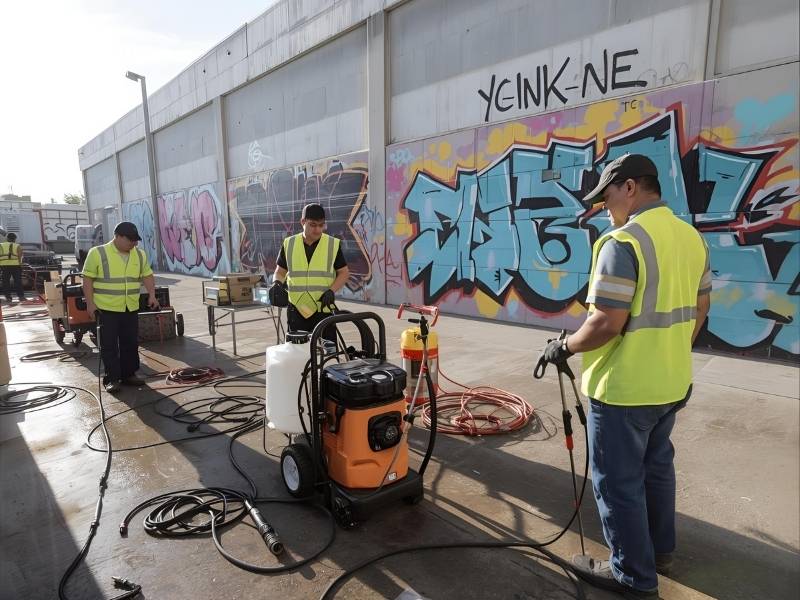
Identifying areas with significant pigeon droppings accumulation is crucial for conducting a proper risk assessment. Fresh wet droppings pose different risks compared to dried, aged accumulations. The acidic nature of pigeon guano doesn't just affect health - it can also erode metals, stone, and paintwork, leading to thousands of pounds in building maintenance costs annually.
Look for areas where feral pigeons commonly roost, including building ledges, under bridges, in car parks, and near food outlets. Pigeon populations concentrate in city centres, transport hubs, and areas with regular food sources, increasing exposure risks for both the public and workers.
Safety Measures and Protective Equipment
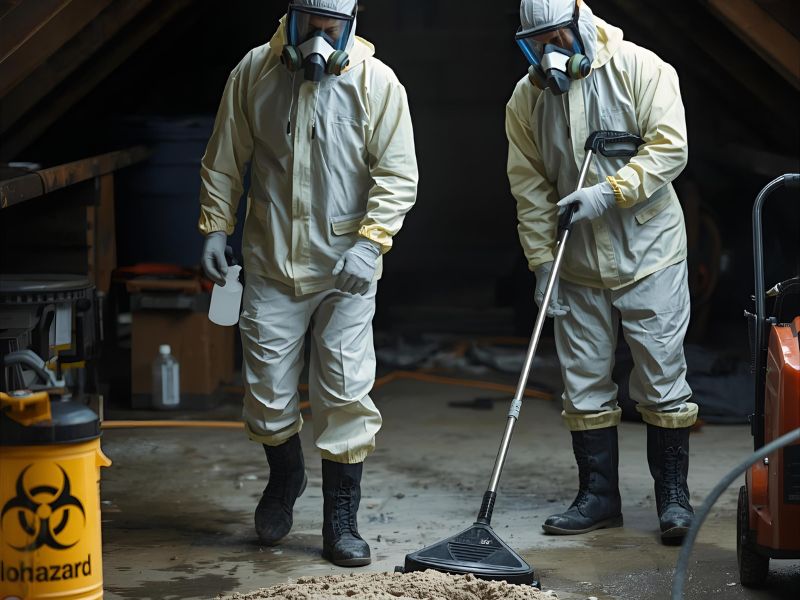
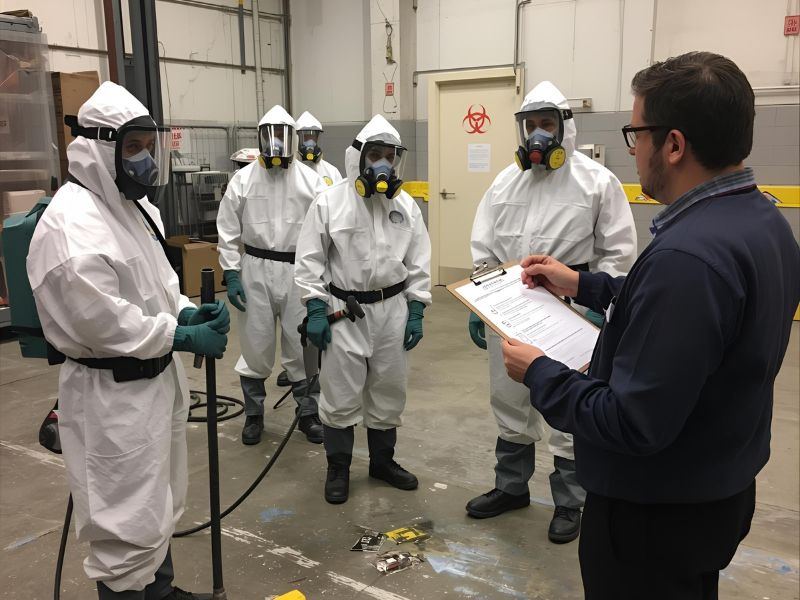
When dealing with pigeon droppings, using the right equipment and following proper safety procedures is essential. Never attempt to clean large accumulations without appropriate protective gear, as the cleaning process can create airborne particles containing harmful pathogens. Guides on what ppe is needed to clean pigeon droppings often emphasise that preparation is just as important as the cleaning itself.
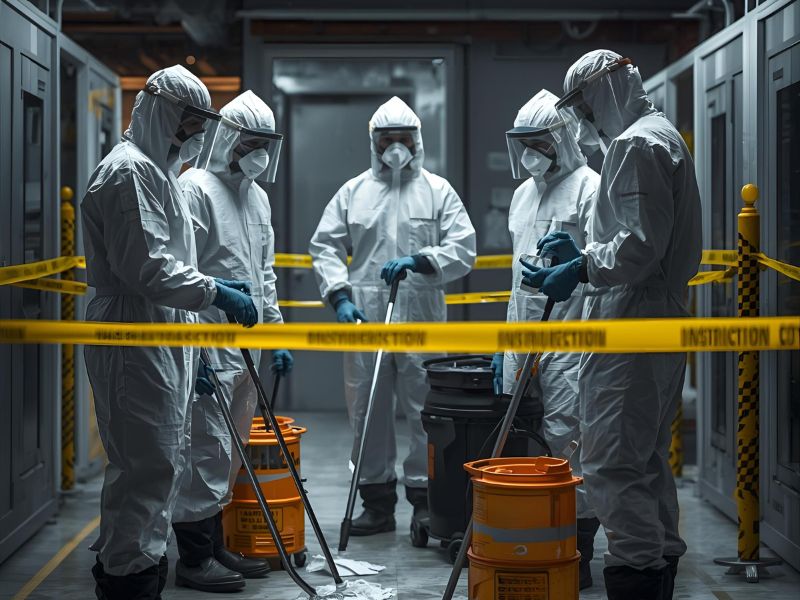
Essential protective equipment includes respiratory masks rated for fine particles, disposable gloves, and protective clothing. For significant accumulations, councils regularly classify pigeon guano as hazardous waste, meaning specialist removal is often required. The substances hazardous to health regulations apply to both domestic and commercial cleaning situations.
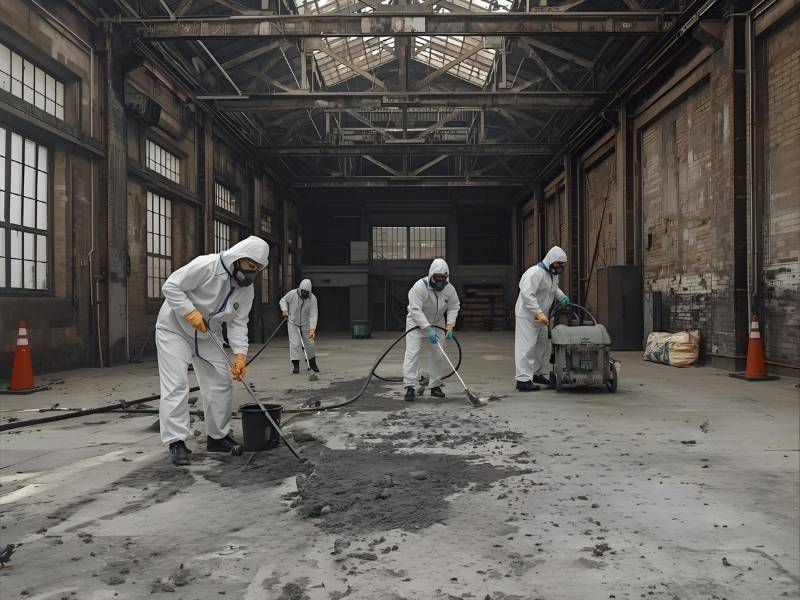
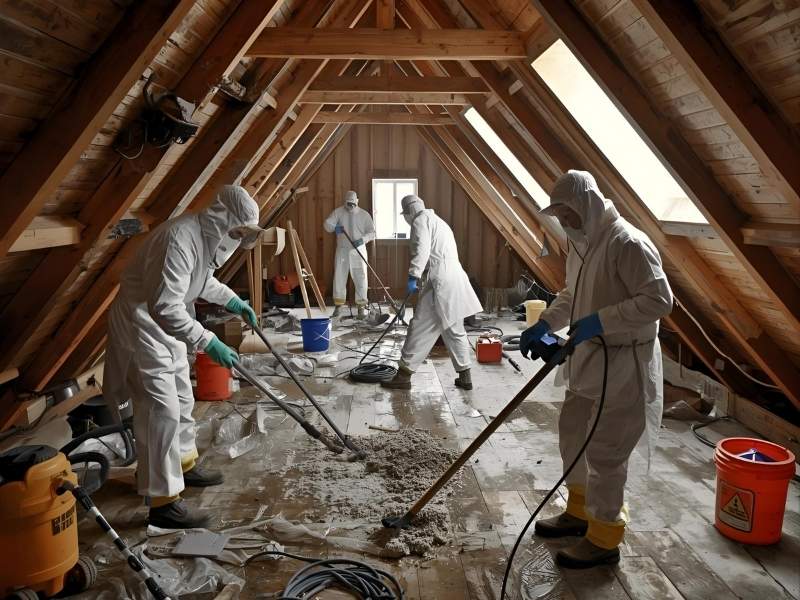
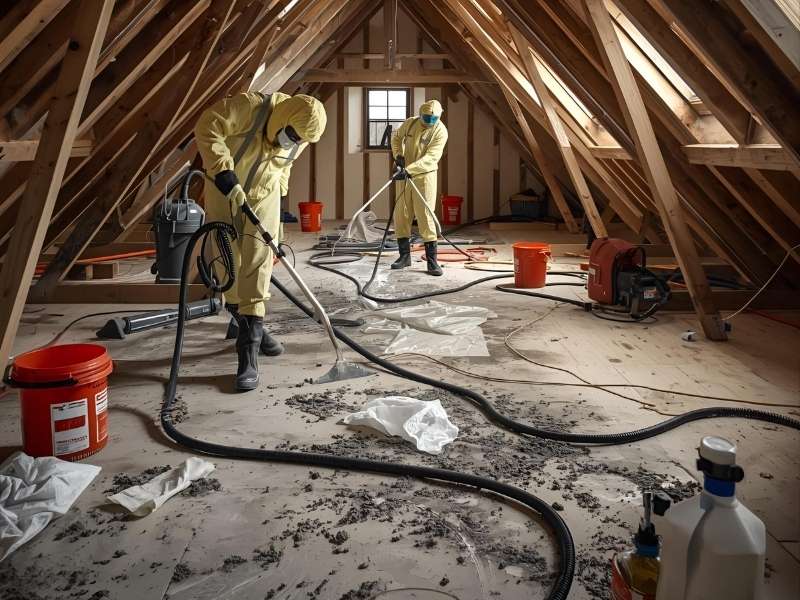
Professional cleaning professionals use specialised techniques to minimise dust creation during removal. This includes dampening dried droppings before removal and using plastic sheeting to contain the affected area. Proper ventilation and careful disposal methods prevent the spread of fungal spores and bacteria.
The Cleaning Process
Safe removal of pigeon guano requires a systematic approach that prioritises health and safety. Begin by assessing the extent of contamination and determining whether professional intervention is necessary. Large accumulations or those in sensitive areas should always be handled by specialists, and it’s important to understand what precautions should be taken when cleaning bird poop before attempting any removal.
For minor cleaning tasks, start by dampening the droppings to prevent dust creation. Avoid direct contact with the material and ensure proper ventilation throughout the cleaning process. All contaminated materials should be double-bagged and disposed of according to local hazardous waste guidelines.
After removal, thoroughly disinfect all affected surfaces using appropriate cleaning solutions. This is particularly important for areas where food preparation occurs or where vulnerable individuals may be present.
🐦 £250M Annual UK Market Opportunity
Learn safe pigeon guano removal - 60+ transmissible diseases require expert handling
☣️ Biohazard Classification
🏆 CPD Certified
⚡ 50% Faster Completion
📈 High Demand
Join Our Pigeon Guano Removal Course
Legally required training for hazardous waste handling
Impact on Property Values and Public Health Issues
The presence of pigeon droppings creates broader public health issues relating to property maintenance and community wellbeing. Public health surveys show that properties with visible pigeon guano nearby are considered up to 40% less appealing by potential buyers or tenants.
Beyond individual health concerns, large accumulations of bird droppings can affect entire neighbourhoods. The problem extends beyond aesthetics, as the health risks pose genuine concerns for community well-being. Local authorities often become involved when pigeon populations and associated guano create significant public health issues.
Professional Intervention and Demolition Work
Certain situations require professional expertise, particularly during demolition work or major building maintenance projects. Construction and renovation activities can disturb large quantities of accumulated droppings, creating significant exposure risks for workers and nearby residents.
Professional biohazard cleaning services have the necessary equipment and expertise to handle large-scale contamination safely. These specialists understand the infection control measures required and have access to appropriate disposal methods for hazardous waste.
Prevention Strategies
Preventing pigeon roosting is more effective than dealing with accumulated droppings. Various deterrent methods can reduce pigeon populations around buildings and minimise the accumulation of guano. This proactive approach protects both health and property values while reducing long-term maintenance costs.
Consider installing physical barriers, netting, or other deterrent systems in areas where pigeons commonly roost. Regular maintenance and early intervention prevent small problems from becoming major health hazards requiring expensive professional cleaning.
Economic Impact
UK businesses spend millions annually on guano clean-up and prevention measures, especially in sectors like hospitality, transport, and retail. The economic burden extends beyond direct cleaning costs to include lost productivity, property damage, and potential liability issues.
The cost of prevention measures often proves more economical than repeated cleaning and potential health-related expenses. Regular maintenance programs help identify and address pigeon-related issues before they become serious health hazards.
Safe Disposal Methods
Proper disposal of pigeon guano is crucial for preventing further health risks. All contaminated materials must be treated as potentially hazardous waste and disposed of according to local regulations. This includes cleaning materials, protective equipment, and any items that may have come into contact with droppings.
Never dispose of pigeon guano in regular household waste without proper containment. The material should be double-bagged and clearly labelled before disposal. Some local authorities provide specific guidance on safe disposal methods for biological waste.
When to Seek Medical Attention
Understanding when to seek medical advice is crucial for anyone who may have been exposed to pigeon droppings. If you develop flu-like illness, respiratory issues, or other symptoms following exposure to bird guano, consult a healthcare professional promptly.
Be particularly vigilant if you have a compromised immune system or existing respiratory conditions. Early medical intervention can prevent minor exposure from developing into serious health complications. Inform your healthcare provider about the potential exposure to help with accurate diagnosis and treatment.
Long-term Health Considerations
The health effects of exposure to pigeon droppings can vary significantly depending on the duration and intensity of contact. While single, brief exposures rarely cause serious problems in healthy individuals, repeated exposure or significant one-time contact can lead to lasting health issues.
Regular monitoring of areas prone to pigeon accumulation helps prevent long-term health risks. This is particularly important in residential areas, schools, and healthcare facilities where vulnerable populations may be present.
Protecting Your Family and Property
Protecting your family from the health risks associated with pigeon droppings requires awareness, preparation, and appropriate action when necessary. Regular property inspections help identify potential problems before they become serious health hazards.
Educate family members about the risks associated with pigeon guano and establish clear guidelines for dealing with any droppings they may encounter. Children should never handle bird droppings directly and should be taught to alert adults to any accumulations they discover.
🐦 £250M Annual UK Market Opportunity
Learn safe pigeon guano removal - 60+ transmissible diseases require expert handling
☣️ Biohazard Classification
🏆 CPD Certified
⚡ 50% Faster Completion
📈 High Demand
Join Our Pigeon Guano Removal Course
Legally required training for hazardous waste handling
Get Professional Help for Safe Pigeon Guano Removal
If you're concerned about pigeon droppings on your property and the potential health risks they pose, don't take chances with DIY removal of large accumulations. Professional biohazard cleaning ensures safe, thorough removal while protecting your health and complying with safety requirements.
At Biohazard Cleaning Courses, we provide comprehensive training and professional services for safe pigeon guano removal. Our experts understand the health risks involved and use proper protective equipment and disposal methods to ensure your property is safe. Contact us today for a free quote and learn how we can help protect your health and property from the dangers of contaminated bird droppings.