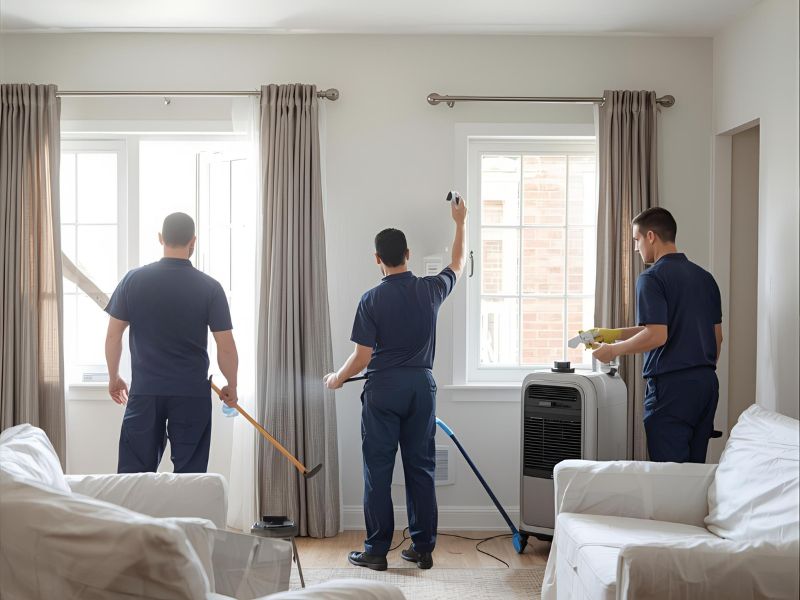
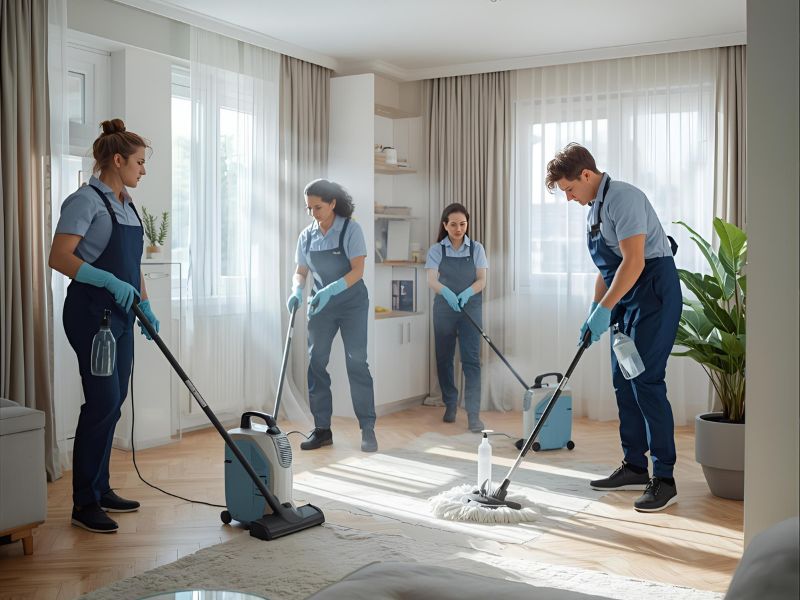
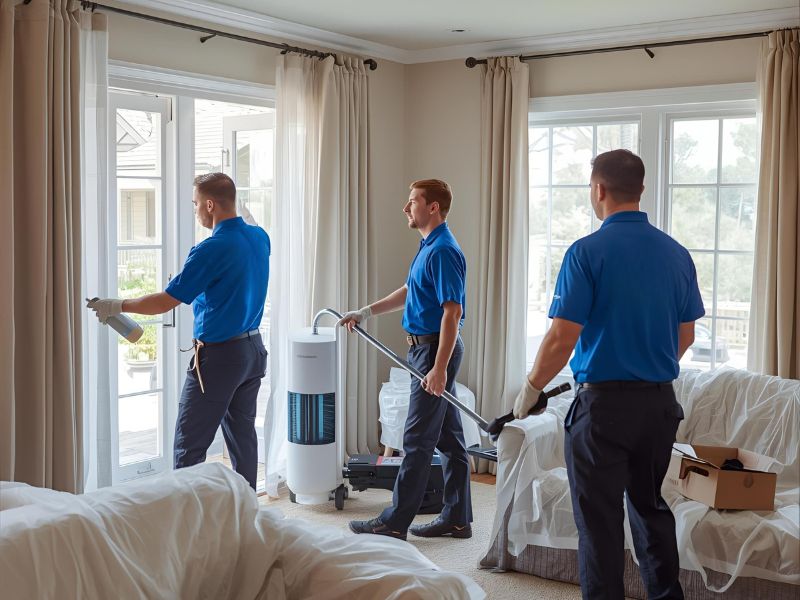
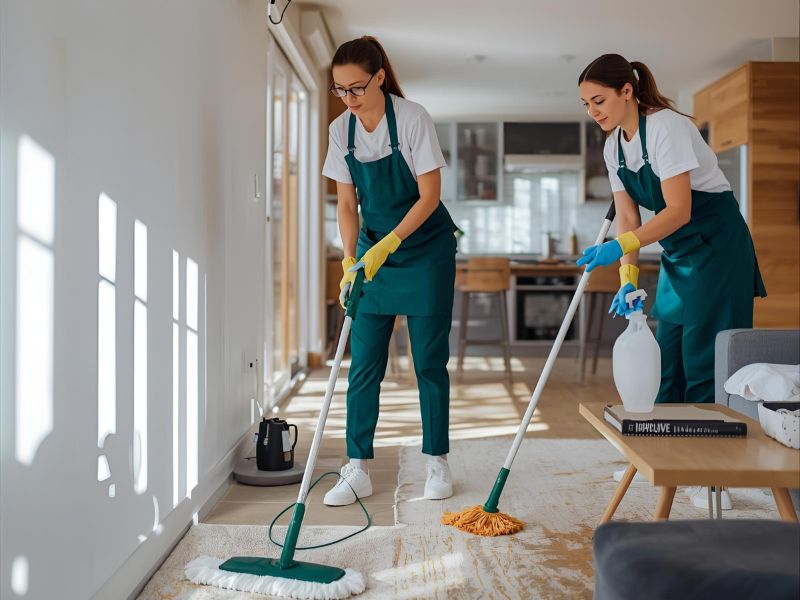
The persistent smell of cigarettes in your home can be overwhelming and frustrating. Whether you've recently purchased a property from a smoker, had tenants who smoked indoors, or are trying to eliminate years of accumulated smoke residue, removing nicotine smell requires a systematic approach. We'll guide you through proven methods to tackle this challenging problem and restore fresh air to your living space.
Understanding Why Cigarette Smoke Clings to Your Home
Cigarette smoke contains more than 7,000 chemical compounds, many of which contribute to long-lasting odours in homes. These smoke particles are microscopic and sticky, meaning they embed themselves into plaster, insulation, and soft furnishings. The oily residue from smoke acts like a "glue" for dust and other odour-causing particles, which makes rooms smell worse over time rather than better.
Research suggests that nicotine particles can cling to indoor surfaces for up to 12 years, even after smoking has stopped. This explains why a simple air freshener or quick clean won't solve the problem. Thirdhand smoke creates a persistent challenge that requires dedicated effort to overcome.
Wood and drywall are particularly prone to absorbing nicotine odour, and in older houses, the smell can remain detectable for decades if untreated. Understanding this helps explain why comprehensive cleaning is necessary rather than surface-level solutions.
Preparing Your House for Deep Cleaning
Before starting any odour removal process, proper preparation is essential. Open all windows and doors to create good ventilation throughout your house. This initial fresh air circulation helps reduce the concentration of smoke odours and provides a safer working environment.
Remove all fabric items that can be washed separately, including curtains, cushion covers, and upholstery covers. These items trap smoke particles and need individual attention. Empty all ashtrays and dispose of any cigarette-related items that continue to emit odours.
Gather your cleaning supplies including baking soda, white vinegar, warm water, microfibre cloths, vacuum cleaner with hepa filters, and several buckets. Having everything ready streamlines the cleaning process and ensures you don't miss any steps.
🚬 Transform Your Cleaning Business
Specialist nicotine stain removal and cigarette smoke contamination techniques
🏢 Commercial Properties
🏠 Domestic Services
💨 Odour Elimination
🎯 Specialist Skills
Join Our Nicotine Cleaning Course
Stand out with professional odour removal skills
Essential Cleaning Supplies for Smoke Odour Removal
Your cleaning arsenal should include both natural and commercial products. Baking soda serves as a powerful odour absorber and can be used in multiple ways throughout the process. White vinegar works effectively to neutralise many odour-causing compounds found in smoke residue.
Specialist equipment may be necessary for severe cases. An air purifier with hepa filters can help remove remaining smoke particles from the air during and after cleaning. Activated charcoal provides another natural option for absorbing lingering odors.
For hard surfaces, you'll need strong cleaning solutions that can break down the sticky residue left by cigarettes. Professional cleaning services often use commercial-grade products, but many household items can achieve similar results with proper application.
Tackling Walls and Ceilings First
Start your odour removal process with walls and ceilings, as these large surfaces hold significant amounts of smoke residue. Wash walls using a solution of warm water and white vinegar, working from top to bottom in manageable sections, which is often the first step when learning how to remove nicotine stains from walls effectively.
Pay special attention to corners and areas around light switches where smoke particles accumulate. Use a clean cloth for each section to avoid spreading the residue around. Many surfaces will require multiple wipes to remove all traces of the sticky film left by cigarettes.
Glass surfaces and windows need thorough cleaning as smoke particles create a visible film. Use a standard glass cleaner or create your own solution with vinegar and clean water. The difference in clarity after proper cleaning often surprises homeowners.
Deep Cleaning Carpets and Soft Furnishings
Carpets require intensive treatment as they trap enormous amounts of smoke particles and odours. Begin by vacuum cleaning thoroughly with a machine equipped with hepa filters. This removes surface particles and prepares the carpet for deeper treatment.
Sprinkle baking soda generously across all carpeted areas and allow it to sit for several hours or overnight. Baking soda works by absorbing odours rather than just masking them. Vacuum the dry baking soda thoroughly, ensuring you remove all residue.
For persistent odours in carpets, consider professional cleaning or steam cleaning with appropriate cleaning solutions. Upholstered furniture may need similar treatment, and in severe cases, replacement might be the most effective option for removing smoke smells completely.
Air Purification and Ventilation Solutions
Proper air quality management is crucial for eliminating lingering smells. Use an air purifier with hepa filters continuously during the cleaning process and for several weeks afterwards. These filters capture microscopic particles that contribute to the unpleasant smell.
Position multiple air purifiers throughout your house for maximum effectiveness. Change air filters in your hvac system more frequently than usual, as these will become saturated with smoke particles more quickly during the cleaning process.
Create cross-ventilation by opening windows on opposite sides of your house when weather permits. Natural air circulation helps remove airborne particles and brings fresh air into previously smoke-filled spaces.
Natural Remedies Using Household Items
Several household items provide effective, natural solutions for smoke odor removal. Place bowls of white vinegar around affected rooms and leave them for a few hours to absorb odours. The vinegar smell will dissipate, taking smoke odours with it.
Coffee grounds offer another natural odour-absorbing solution. Place one cup of fresh coffee grounds in open containers throughout the house. Replace these every few days until the smoke smell diminishes significantly.
Activated charcoal works similarly to baking soda but can be more effective for severe odours. Place small bowls of activated charcoal in cupboards, wardrobes, and other enclosed spaces where smoke smell tends to concentrate.
Professional Cleaning Services vs DIY Methods
Professional cleaning companies estimate that up to 70% of smoke odour removal cases require both surface cleaning and air treatment for full effectiveness. Professional services have access to specialist equipment and commercial-grade cleaning products that aren't available to consumers.
Ozone generators, often used by professionals, can neutralise odour molecules at a chemical level. However, these treatments must be handled carefully due to their strength and potential health risks if not used properly.
DIY methods can be effective for lighter smoke damage but may not address severe cases where smoke has penetrated deeply into building materials. Consider professional cleaning service options if your initial efforts don't produce satisfactory results.
🚬 Transform Your Cleaning Business
Specialist nicotine stain removal and cigarette smoke contamination techniques
🏢 Commercial Properties
🏠 Domestic Services
💨 Odour Elimination
🎯 Specialist Skills
Join Our Nicotine Cleaning Course
Stand out with professional odour removal skills
Treating Different Room Types
Different rooms require tailored approaches based on their specific challenges. Kitchens often have additional grease and cooking odours that mix with smoke residue, creating particularly stubborn smells that need extra attention.
Bathrooms present unique challenges due to humidity and limited ventilation. Focus on improving ventilation and use mould-resistant cleaning products that also address smoke odours. Pay attention to exhaust fans and air ducts in these spaces.
Bedrooms with heavy fabric items like curtains and bedding need thorough treatment of all textile items. Many surfaces in bedrooms, from mattresses to wardrobes, can harbour smoke particles and contribute to persistent odours.
Addressing Stubborn Areas and Hidden Sources
Some areas of your house may continue to emit cigarette smell even after general cleaning. Check behind electrical outlets, inside cupboards, and within air ducts for accumulated residue. These hidden areas often get overlooked but can be significant sources of ongoing odours.
Pay attention to areas where people commonly smoke, such as near windows or specific seating areas. These locations typically have heavier contamination and may require multiple cleaning sessions to achieve complete odour removal, especially if you’re also learning how to remove nicotine stains from uPVC window frames where residue tends to be most visible.
Consider that smoke residue can penetrate into insulation and subflooring in severe cases. If odours persist after thorough cleaning, you may need to remove and replace these materials for complete elimination.
Long-term Prevention and Maintenance
Once you've successfully removed cigarette smells, maintaining fresh air quality requires ongoing attention. Regular cleaning prevents any residual particles from building up again. Change air filters more frequently than standard recommendations suggest.
Monitor your house for any return of odours, particularly in humid weather when smells can become more noticeable. Address any issues immediately rather than allowing them to accumulate over time.
Consider establishing a smoke-free policy to prevent future contamination. Around 80% of property buyers say they are put off by a lingering smoke smell when viewing a home, making prevention valuable for maintaining property value.
Common Mistakes to Avoid
Many people make the mistake of trying to mask smoke odours with air fresheners rather than eliminating them. This approach only creates a mixture of artificial fragrance and cigarette smell, often making the problem worse.
Avoid using water-based cleaning products alone on smoke residue, as these don't effectively break down the oily compounds in cigarette smoke. Always include products that can dissolve these sticky substances.
Don't rush the process or skip steps to save time. Smoke odour removal requires patience and thoroughness. Incomplete cleaning often means having to repeat the entire process later.
When to Consider Professional Help
If your DIY efforts haven't produced satisfactory results after several attempts, professional intervention may be necessary. Landlords report that removing nicotine odours after a heavy smoker tenant can increase refurbishment costs by as much as 60%, largely due to repainting and deep cleaning requirements.
Professional services can assess whether structural elements need replacement rather than cleaning. In extreme cases, drywall, insulation, or subflooring may need removal to completely eliminate embedded odours.
Consider professional help if you have health concerns about exposure to cleaning chemicals or if the scope of work seems overwhelming for a DIY approach.
🚬 Transform Your Cleaning Business
Specialist nicotine stain removal and cigarette smoke contamination techniques
🏢 Commercial Properties
🏠 Domestic Services
💨 Odour Elimination
🎯 Specialist Skills
Join Our Nicotine Cleaning Course
Stand out with professional odour removal skills
Health Considerations During Cleaning
Protect yourself during the cleaning process by wearing appropriate protective equipment. Use gloves when handling cleaning chemicals and ensure adequate ventilation to avoid inhaling cleaning product fumes or disturbed particles.
Carbon monoxide and other harmful compounds from cigarette smoke can be released during aggressive cleaning. Monitor your overall air quality and take breaks in fresh air if you feel unwell during the cleaning process.
Be aware that some cleaning methods can temporarily worsen air quality before improvement occurs. Plan your cleaning schedule accordingly and consider staying elsewhere if you have respiratory sensitivities.
Cost Considerations and Budgeting
Budget for multiple cleaning products, replacement filters, and potentially new soft furnishings if cleaning proves ineffective. Professional cleaning services typically charge based on the severity of contamination and size of the affected area.
Factor in the cost of replacing items that cannot be adequately cleaned, such as heavily contaminated carpets or curtains. Sometimes replacement is more cost-effective than repeated cleaning attempts.
Consider the long-term value of thorough odour removal, particularly if you plan to sell your house. Complete smoke odour elimination significantly improves property marketability and can prevent price reductions due to smell issues.
Get Professional Help for Persistent Smoke Odours
If you've followed these comprehensive steps and still struggle with cigarette smells in your house, it may be time to seek professional assistance. At Biohazard Cleaning Courses, we understand the complexity of smoke odour removal and can provide expert guidance and training on advanced cleaning techniques.
Don't let persistent nicotine odours affect your quality of life or property value. Our specialists can assess your specific situation and recommend the most effective approach for complete odour elimination.
Contact Biohazard Cleaning Courses today for a free quote on professional smoke odour removal services and training programmes that can help you tackle even the most challenging cleaning situations.