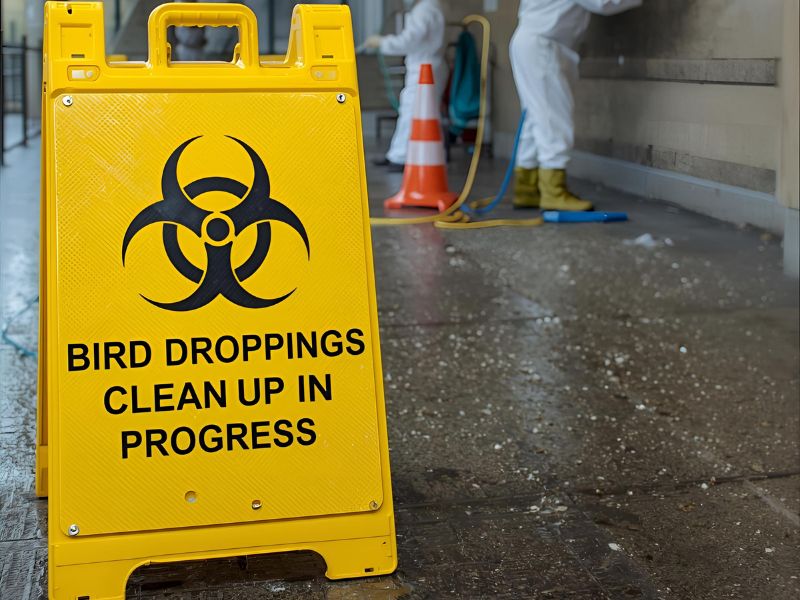
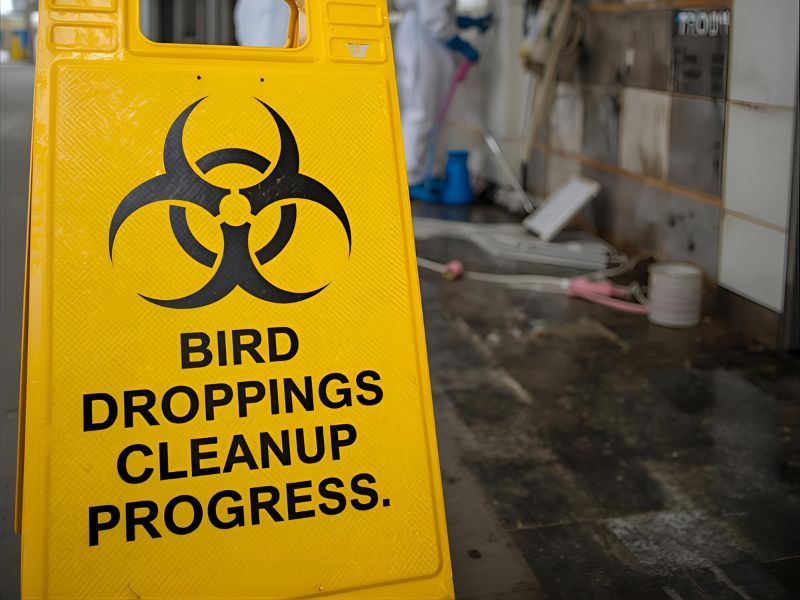
Bird droppings create more than just unsightly mess on your patio and furniture. These deposits can carry over 60 different diseases and parasites, making proper safety precautions essential when you need to clean bird droppings from any surface. From residential patio areas to commercial buildings, understanding how to safely remove bird droppings protects both your health and property.
Understanding the Health Risks of Bird Droppings
Bird droppings pose significant health threats that many property owners underestimate. One of the most serious concerns is histoplasmosis, a respiratory disease caused by inhaling fungal spores that grow in bird droppings. This condition can lead to severe lung complications, particularly when large amounts of dried droppings turn to dust and become airborne. Property owners often ask, is pigeon poop a health hazard in the UK? The answer is yes—especially when dried guano becomes airborne and is inhaled, posing serious risks to health and safety.
Fresh bird poop may seem less concerning, but dried droppings actually present greater risks. When bird waste dries, it can turn to dust and become airborne during cleaning attempts. This creates an inhalation hazard that can spread harmful particles throughout the immediate area where you work safely to remove bird poop from surfaces.
Pigeons, in particular, are known carriers of multiple pathogens. These common urban birds tend to roost in large groups under bridges, on building ledges, and near patio furniture where they create substantial mess. Pigeons often target outdoor dining areas and patio spaces where food scraps attract them. Birds tend to return to the same roosting spots repeatedly, creating substantial accumulations of waste that require professional attention. The acidic nature of all bird droppings means they will eat away at surfaces like car paint, clear coat, stone, and metal over time if left untreated, potentially leading to expensive repairs.
Essential Safety Equipment for Bird Droppings Removal
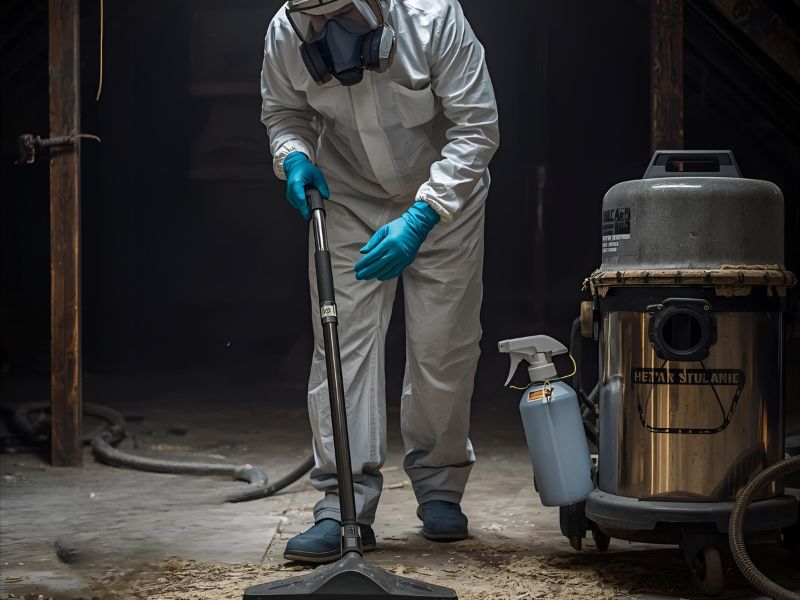
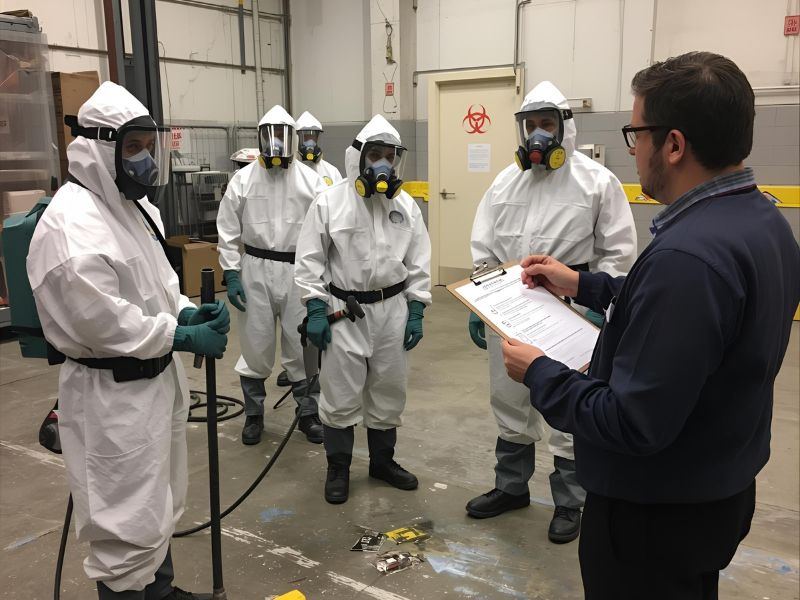
Personal protective equipment forms the foundation when you need to safely remove bird droppings from your patio, furniture, or vehicle, making it essential to know what PPE is needed to clean pigeon droppings. This equipment protects against both direct contact with bacteria and inhalation of harmful dust particles during the removal process.
High-quality gloves represent your first line of defense. Choose disposable nitrile gloves that resist punctures and provide a barrier against bacteria and viruses present in bird waste. Always inspect gloves for tears before use, as even small holes can compromise protection when you clean bird poop from any surface or piece of furniture.
Eye protection prevents splashing contaminated material from reaching mucous membranes. Safety goggles create a seal around the eyes, offering superior protection compared to regular glasses. This becomes particularly important when working overhead on patio covers or in windy conditions where debris might become airborne.
Respiratory protection requires careful consideration of the specific situation. For routine cleaning of small amounts of fresh bird poop, a disposable dust mask may suffice. However, when dealing with large amounts of dried droppings on furniture or extensive patio areas, invest in a high-filtration mask rated N95 or higher to filter out microscopic particles that could harm your health.
Disposable coveralls protect clothing and skin from contamination. These should cover arms and legs completely, with elastic cuffs to prevent particles from entering sleeve and leg openings. After cleanup, dispose of coveralls immediately to avoid spreading contamination to clean areas of your home or garden furniture.
🐦 £250M Annual UK Market Opportunity
Learn safe pigeon guano removal - 60+ transmissible diseases require expert handling
☣️ Biohazard Classification
🏆 CPD Certified
⚡ 50% Faster Completion
📈 High Demand
Join Our Pigeon Guano Removal Course
Legally required training for hazardous waste handling
Proper Cleaning Solutions and Tools
The cleaning solution you choose can make the difference between effective removal and damage to surfaces. Warm water mixed with mild detergent creates a gentle yet effective cleaning solution for most surfaces. This combination helps break down the organic matter in bird droppings without causing surface damage to your car, patio furniture, or other valuable items.
For stubborn stains on hard surfaces, soapy water mixed with white vinegar can help dissolve mineral deposits left by bird waste. The acidic properties of vinegar counteract the highly acidic components in dried droppings, making removal easier when you need to remove bird poop that has been left untreated for a long period on patio surfaces or outdoor furniture.
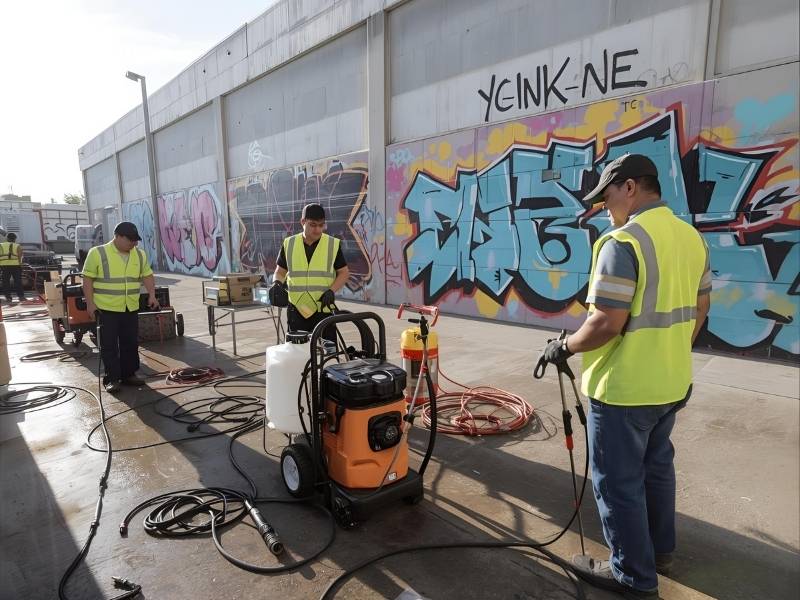
A garden hose provides convenient water access for outdoor cleaning projects, but avoid using a pressure washer initially on furniture or delicate patio surfaces. High-pressure washing can spray harmful particles into the air and spread contamination over a wider area. Start with gentle water flow to wet down dried droppings before increasing pressure gradually. A pressure washer can be useful for final rinse cycles after the bulk material has been removed safely from robust patio surfaces.
A stiff brush works well for scrubbing tough stains from patio stones or concrete, but use it carefully to avoid scratching delicate surfaces. For car paint and other sensitive materials, opt for soft-bristled brushes or even a damp cloth to gently wipe away softened droppings. When working on wood furniture or porous surfaces, take extra care to avoid pushing contaminated material deeper into the grain.
Always have a spray bottle filled with disinfectant ready for post-cleaning sanitisation. This step proves just as important as the removal itself, since bacteria and fungi can linger on surfaces even after visible droppings disappear. A sponge can help apply cleaning solutions evenly across larger surface areas on your patio or outdoor furniture.
Step-by-Step Cleaning Process for Bird Droppings
Begin the cleaning process by assessing the area and gathering all necessary equipment in a bucket for easy access. Work safely by ensuring good ventilation, particularly in enclosed spaces like garages or covered patio areas where airborne particles can concentrate. Allow a few minutes to properly prepare your workspace before starting.
Wet down dried droppings thoroughly before attempting removal. This crucial step prevents particles from becoming airborne and reduces inhalation risks. Allow the warm water to soak the material and soften it for several minutes. This makes the waste easier to remove bird poop without excessive scrubbing that could damage the surface underneath your patio tiles or furniture finish.
Remove bird waste using a scraping motion rather than rubbing, which can push material deeper into porous surfaces. For large amounts of droppings on patio areas or furniture, consider using a plastic scraper to lift away bulk material before you wash the surface with your cleaning solution. Avoid scrubbing motions that can create fine scratches on car paint or spread bacteria to surrounding areas.
Clean the affected surface with your chosen cleaning solution, working from the outside of the stain toward the center. This technique prevents spreading contamination to clean areas nearby on your patio or furniture. Rinse thoroughly with clean water to remove all traces of cleaning solution and dissolved waste. Use a garden hose with gentle pressure for this final rinse step on patio surfaces and outdoor furniture.
Wipe down the cleaned area with a damp cloth to remove any remaining debris, then sanitise with an appropriate disinfectant to eliminate any remaining pathogens. Allow the disinfectant to sit on the surface for the time specified by the manufacturer before rinsing if required.
Special Considerations for Different Surfaces
Car paint requires extra care during bird poop removal. The clear coat on modern vehicles can be damaged by scrubbing too aggressively or allowing acidic droppings to sit for extended periods. Clean bird droppings from vehicles as soon as possible, using plenty of warm water and gentle pressure to protect the paint finish from permanent damage.
For car cleaning, avoid scrubbing motions that can create fine scratches in the clear coat. Instead, gently wipe the area with a damp cloth after thoroughly wetting the droppings. If bird poop stains have been left untreated on your car, you may need professional detailing to restore the paint to its original condition.
Wood furniture and decking present absorption challenges. Porous surfaces can trap bacteria and stains below the surface level, making complete removal more difficult. Clean bird droppings from wood surfaces promptly and consider applying a disinfectant that can soak into the material to eliminate harmful organisms that might damage your garden furniture over time.
Fabric surfaces such as outdoor patio furniture cushions may require professional cleaning for complete removal. For routine maintenance, remove visible material and wash according to manufacturer instructions, adding extra rinse cycles to ensure complete removal of contaminants and bacteria from your patio furniture fabrics.
Tree sap often mixes with bird droppings on outdoor furniture, creating combination stains that require special attention. Tree sap bonds strongly to patio furniture and may need specific solvents for complete removal. Address tree sap contamination promptly before it hardens and becomes more difficult to clean from your outdoor furniture. Tree sap removal from patio furniture often requires warm water and specialized cleaning products. Tree sap can permanently stain patio furniture if not addressed quickly.
Managing Large Accumulations and Bird Poo Problems
When dealing with substantial bird waste accumulations on your patio or furniture, the cleanup process becomes more complex and potentially hazardous. Large amounts of guano can create serious health risks and may require professional attention to ensure safe removal without spreading contamination across your entire patio area.
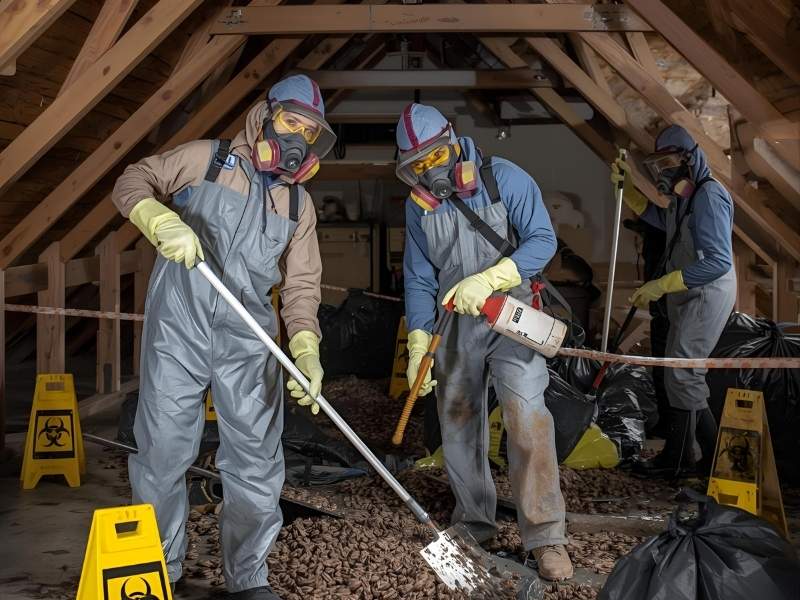
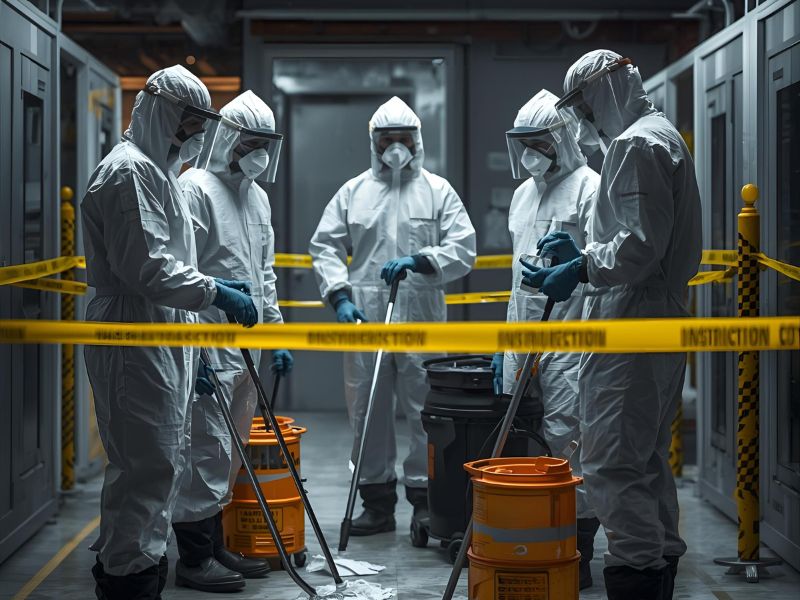
Professional cleaners follow strict biohazard protocols that include proper containment, specialised equipment, and certified disposal methods. Many property owners find this expertise worth the investment, particularly for commercial properties or situations involving protected bird species like pigeons that create extensive mess on patio areas and outdoor furniture.
Bird spikes and other deterrent systems can prevent future accumulations, but they must be installed after thorough cleaning. Birds naturally return to familiar roosting spots, so combining effective cleanup with prevention measures provides the best long-term solution for your patio and garden areas where furniture and other items need protection.
For ongoing maintenance, establish a regular inspection schedule. Clean bird droppings and bird poo promptly rather than allowing them to accumulate, as small amounts are easier to remove bird poo safely and pose fewer health risks. Regular cleaning also prevents stains from becoming permanent on surfaces like car paint and patio furniture finishes.
Bird poo can cause similar damage to bird droppings, particularly when it accumulates on patio surfaces where acidic properties can etch stone and concrete. Remove bird poo using the same safety precautions you would use for larger droppings. Bird poo removal from delicate furniture requires gentle techniques to avoid surface damage.
Proper Disposal Methods for Bird Waste
Waste disposal represents a critical but often overlooked aspect of bird dropping cleanup. In many regions, large amounts of bird guano classify as hazardous waste, requiring special handling and disposal procedures to protect public health.
For routine cleanup of small amounts from patio areas, double-bagging waste in plastic bags before placing in regular household refuse typically suffices. However, check local regulations, as some areas have specific requirements for biological waste disposal that may affect how you handle contaminated materials from your patio or furniture cleaning projects.
Used cleaning materials, including gloves, coveralls, and disposable wipes, should be treated as contaminated waste. Place these items in sealed plastic bags before disposal to prevent contamination of waste handling personnel. This includes any sponges or cloths used during the cleaning process on your patio or furniture.
Clean all reusable tools thoroughly after each use. Soak brushes and scraping tools in disinfectant solution, rinse well, and allow air to dry before storage. This prevents cross-contamination between cleanup sessions and protects your health during future cleaning projects on your patio or garden furniture.
When to Call Professionals
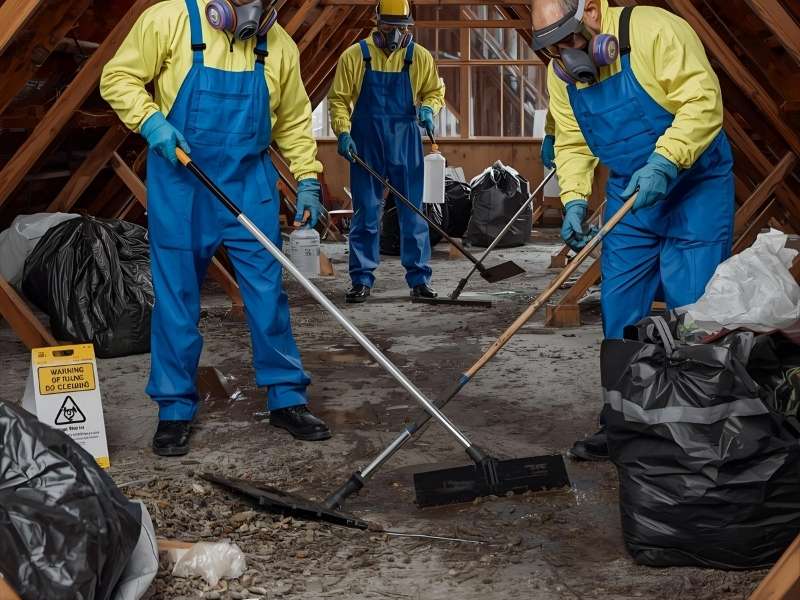
Certain situations require professional intervention rather than DIY approaches. If you discover extensive accumulations of bird droppings on your patio or furniture, particularly in enclosed spaces like attics or warehouses, contact a professional biohazard cleanup service rather than attempting removal yourself.
Protected bird species present legal complications that require expert knowledge. Disturbing nests or roosts of federally protected birds can result in substantial fines, making professional consultation essential for compliance with wildlife protection laws when dealing with patio or furniture contamination.
Health considerations also warrant professional help. Individuals with respiratory conditions, compromised immune systems, or allergies to dust should avoid cleaning bird droppings themselves. The potential health risks outweigh any cost savings from DIY cleanup, especially when dealing with dried droppings that can become airborne during patio or furniture cleaning.
Time constraints often make professional service practical. Commercial property managers dealing with recurring problems on patio areas and outdoor furniture may find scheduled professional maintenance more cost-effective than repeated emergency cleanups of large amounts of accumulated waste.
Prevention Strategies for Bird Problems
Effective prevention reduces both cleanup frequency and associated health risks. Understanding why birds choose certain areas helps in developing targeted deterrent strategies that protect your patio, furniture, and vehicles from future contamination.
Trees provide natural perching spots that birds prefer over open areas. While you cannot remove all trees from your garden, strategic pruning can reduce attractive roosting areas near buildings and high-traffic zones where people regularly wash cars or spend time on patio areas with outdoor furniture.
Physical barriers work well for specific problem areas. Netting, wire systems, and bird spikes can protect vulnerable surfaces without harming wildlife. Install these systems after thorough cleaning to prevent trapping existing waste underneath the deterrent materials on your patio or around furniture.
Regular maintenance prevents small problems from becoming major cleanup projects. Inspect your patio and garden furniture monthly for signs of bird activity and address issues promptly. A few minutes of prevention beats hours of cleanup later, especially when dealing with stubborn stains that have had time to set into patio surfaces or furniture finishes.
Food sources attract birds and encourage extended stays around your patio and furniture. Secure garbage containers, clean pet food spills promptly, and consider whether bird feeders are located too close to areas you want to protect, such as outdoor furniture or vehicles parked near your patio.
🐦 £250M Annual UK Market Opportunity
Learn safe pigeon guano removal - 60+ transmissible diseases require expert handling
☣️ Biohazard Classification
🏆 CPD Certified
⚡ 50% Faster Completion
📈 High Demand
Join Our Pigeon Guano Removal Course
Legally required training for hazardous waste handling
Protecting Your Health During Cleanup
Ventilation plays a vital role in reducing inhalation risks during bird dropping cleanup on your patio or around furniture. Outdoor cleaning naturally provides good air circulation, but indoor projects require special attention to air movement to prevent dust and bacteria from concentrating in enclosed spaces.
For enclosed areas, open doors and windows before beginning work. Use fans to create airflow that carries particles away from your breathing zone. In basements or attics with limited ventilation options, consider postponing cleanup until you can ensure adequate air movement to protect your health while cleaning contaminated furniture.
Take regular breaks during extended cleanup sessions on large patio areas. Step away from the work area, remove your mask in a clean environment, and rinse your hands before taking a break. This practice prevents fatigue and reduces the temptation to remove protective equipment prematurely while handling contaminated materials from your patio or furniture.
Post-cleanup hygiene prevents carrying contamination to clean areas. Remove protective equipment in the work area before entering your home or touching clean furniture. Wash hands thoroughly with warm water and soap, scrubbing for at least 20 seconds to remove all traces of contamination and bacteria picked up during patio or furniture cleaning.
Understanding Legal Requirements
Property owners should understand their legal obligations regarding bird waste cleanup, particularly when dealing with protected species or commercial properties where public safety becomes a concern for patio areas and outdoor furniture.
Many local health departments have guidelines for biological waste cleanup that apply to bird droppings found on patio surfaces and furniture. While residential property owners rarely face enforcement action for routine cleanup, commercial properties may need to follow specific protocols when removing large amounts of accumulated waste from patio areas and outdoor furniture.
Worker safety regulations may apply if you employ others to help with cleanup projects on your patio or furniture. Provide appropriate training and protective equipment to anyone assisting with bird dropping removal, even for seemingly simple tasks like cleaning patio furniture or washing cars.
Environmental protection laws sometimes restrict cleanup methods near water sources or sensitive habitats. Contact local environmental authorities if your cleanup project involves large amounts of waste near streams, wetlands, or protected areas where runoff could affect local ecosystems beyond your patio or garden furniture area.
Emergency Response Procedures
Know how to respond if contact occurs during cleanup activities on your patio or furniture. Despite proper precautions, accidents can happen, and quick response helps minimise potential health impacts from exposure to harmful bacteria and parasites.
Skin contact with bird waste should be addressed immediately. Remove contaminated clothing and wash the affected area thoroughly with warm water and soap. Avoid scrubbing or rubbing, which can drive contaminants deeper into the skin and increase absorption of harmful organisms while cleaning your patio or furniture.
Eye exposure requires immediate flushing with clean water for at least 15 minutes. Remove contact lenses if present and easily removable. Rinse thoroughly to remove all traces of contamination, and seek medical attention if irritation persists or if you experience vision changes after exposure during patio or furniture cleaning.
Inhalation concerns warrant fresh air immediately. Move to a well-ventilated area and break away from the contaminated zone on your patio. Monitor for respiratory symptoms over the following days, and contact a healthcare provider if you develop coughing, shortness of breath, or chest tightness after exposure to dust while cleaning furniture or patio surfaces.
Keep emergency contact information readily available during cleanup projects on your patio or furniture. This should include your healthcare provider, local poison control center, and emergency services. Quick access to these resources can be crucial in case of serious exposure to concentrated amounts of harmful material while cleaning your patio or outdoor furniture.
Get Professional Help from Biohazard Cleaning Courses
When bird dropping cleanup becomes overwhelming or poses significant health risks to your patio or furniture, professional assistance provides the safest solution. Biohazard Cleaning Courses offers comprehensive training and services for proper biological waste remediation.
Our certified professionals understand the complex safety requirements for bird guano removal and follow strict protocols to protect both workers and property owners. We have the specialised equipment and expertise needed for challenging cleanup situations that exceed DIY capabilities for patio and furniture cleaning projects.
Whether you need emergency cleanup services or want to learn proper techniques yourself, contact Biohazard Cleaning Courses today for a free quote on your bird dropping cleanup needs.