Starting a cleaning business is one thing, but building a steady stream of clients is where many entrepreneurs struggle when learning how to start a cleaning business and understanding how much does it cost to start a cleaning business. We understand this challenge at Biohazard Cleaning Courses, having helped countless cleaning professionals establish successful ventures. The cleaning industry is competitive, but with the right strategies, any cleaning business can attract and retain valuable clients.
Around 80% of new cleaning businesses secure their first clients through word of mouth, proving that personal recommendations remain the strongest marketing tool. However, relying solely on referrals won't build the robust client base your cleaning services business needs to thrive. You need a comprehensive approach that combines traditional methods with modern digital marketing strategies.
This guide will walk you through proven methods to attract clients for a cleaning business, from establishing your professional foundation to implementing advanced growth strategies. Whether you're targeting residential cleaning clients or pursuing commercial cleaning contracts, we'll show you how to build a sustainable marketing approach that delivers consistent results.
💼 4 in 5 Cleaners Have No Training
Get certified, get paid more, win better commercial contracts
📊 Stand Out From 80%
💰 Higher Rates
🏆 Better Contracts
📈 Professional Edge
Start Our Commercial Cleaning Courses
Professional training sets you apart
Understanding Your Market and Target Audience
Before launching any marketing efforts, successful cleaning companies invest time in understanding their local market. Your target market determines everything from your service offerings to your marketing strategy. Research shows that businesses focusing on specific customer segments achieve 60% higher profit margins than those trying to serve everyone.
The cleaning industry encompasses diverse opportunities. Residential cleaning serves homeowners and tenants who value convenience and time savings. Commercial cleaning contracts with offices, retail spaces, and other businesses offer steady revenue streams. Specialised services like end-of-tenancy cleaning, deep cleaning, or eco-friendly cleaning options command premium pricing.
Local market research reveals crucial insights about your potential customers. Visit your service area and observe existing cleaning companies. What services do they offer? How do they present themselves? Speaking with property managers, real estate agents, and local businesses provides valuable intelligence about current service gaps and customer pain points.
Understanding your target audience's preferences shapes your entire marketing approach. Young professionals might prefer online booking and eco-friendly products, while elderly clients may value personal relationships and traditional communication methods. Commercial clients typically prioritise reliability, insurance coverage, and competitive pricing for ongoing contracts.
Building Your Professional Foundation
Your business foundation directly impacts your ability to attract clients for your cleaning services. Professional presentation builds trust and credibility, essential elements for any service-based business entering people's homes or handling commercial properties.
Business registration and proper insurance coverage form the bedrock of client confidence. Public liability insurance protects both you and your clients, while employer's liability coverage becomes essential when hiring cleaning team members. Many commercial cleaning contracts require specific insurance minimums, making adequate coverage a prerequisite for larger opportunities.
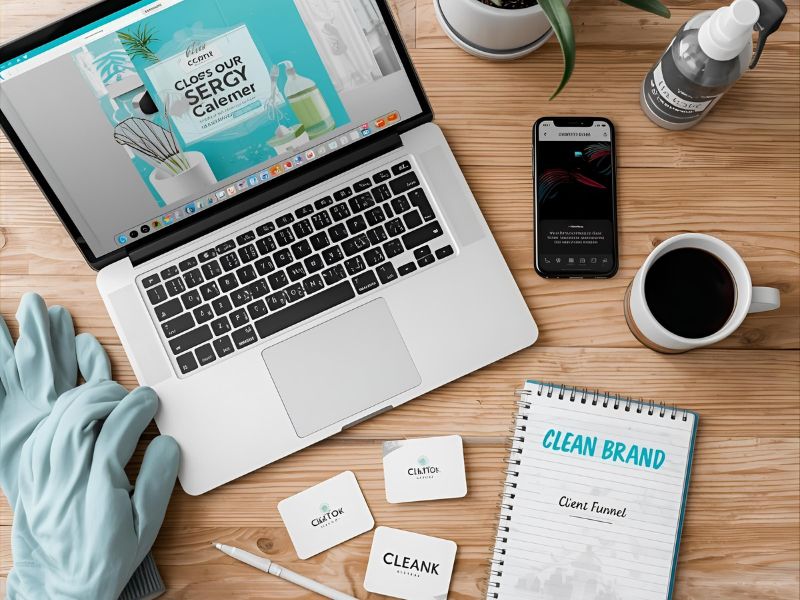
Creating a professional image extends beyond paperwork. A branded vehicle or uniform acts like a mobile advertisement, generating enquiries without ongoing costs. Local visibility makes a significant difference in how potential clients perceive your cleaning company. Simple branded polo shirts, magnetic vehicle signs, and professional business cards create consistent brand recognition throughout your service area.
Developing standard operating procedures ensures consistent service quality. Document your cleaning processes, equipment requirements, and safety protocols. This systematisation becomes crucial when training new cleaning team members and maintaining service standards across all client locations.
Professional communication systems support your growing client base. A dedicated business phone number, professional email address, and simple booking system demonstrate competence and reliability. Many clients for your cleaning business will judge your professionalism based on initial contact experiences.
Digital Marketing Mastery for Cleaning Services
Digital marketing has revolutionised how cleaning services attract new clients. Homeowners and tenants increasingly search online for cleaning services, making digital presence essential for modern cleaning businesses.
Your Google Business Profile serves as your digital storefront. Optimise it with accurate contact details, service descriptions, and high-quality photos of your cleaning team in action. Encourage satisfied customers to leave positive reviews, as local search results heavily favour businesses with strong review profiles. Studies show that 87% of consumers read online reviews before choosing local service providers.
A simple, well-optimised website extends your digital reach beyond local listings. Include clear service descriptions, pricing information, and easy contact methods. Your booking page should simplify the enquiry process, reducing friction between interest and conversion. Mobile optimisation is crucial, as over 60% of local service searches occur on mobile devices.
Content marketing positions your cleaning business as knowledgeable and trustworthy. Create helpful cleaning tips, seasonal maintenance guides, and before-and-after case studies. This content attracts potential clients searching for cleaning advice whilst demonstrating your expertise to prospective customers.
Email marketing maintains relationships with existing clients and nurtures potential customers. Regular newsletters featuring cleaning tips, special offers, and company updates keep your services top-of-mind. Automated email sequences can follow up with enquiries, remind clients about recurring services, and request reviews after service completion.
Search Engine Optimisation for Local Cleaning Services
Search engine optimisation helps potential clients find your cleaning services when they search online. Local SEO is particularly crucial for service-based businesses operating within specific geographical areas.
Keyword research identifies how your target audience searches for cleaning services. Primary terms like "cleaning services," "house cleaning," and "office cleaning" form the foundation, but long-tail keywords capture more specific search intent. Phrases like "end-of-tenancy cleaning [your area]" or "eco-friendly cleaning services near me" often convert better than broad terms.
On-page optimisation ensures search engines understand your services and location. Include target keywords naturally in page titles, headings, and content. Location-specific pages help capture searches for cleaning services in particular neighbourhoods or postcodes within your service area.
Local citations across online directories improve search visibility. Ensure consistent business information across platforms like Yelp, Thomson Local, and industry-specific directories. These citations signal to search engines that your cleaning business operates legitimately in your stated location.
Link building from local sources strengthens your search engine authority. Partnerships with local businesses, sponsorship of community events, and contributions to local websites can generate valuable local links. These relationships often provide dual benefits of improved search rankings and direct referral opportunities.
Social Media Marketing Strategies
Social media platforms offer powerful tools for showcasing your cleaning services and building relationships with potential clients. Visual platforms particularly suit cleaning businesses, allowing demonstration of service quality through before-and-after photos.
Facebook remains the primary platform for local service businesses. Create a business page highlighting your services, sharing customer testimonials, and posting helpful cleaning advice. Facebook's local business features allow targeted advertising to specific geographical areas and demographic groups within your service area.
Instagram excels at visual storytelling for cleaning services. Before-and-after photos can attract attention quickly and build trust with potential clients. Stories and reels showcase your cleaning team in action, humanising your business and building personal connections with followers.
LinkedIn serves commercial cleaning businesses seeking business-to-business clients. Share content relevant to facility managers, property developers, and business owners. Participate in local business groups and industry discussions to build professional relationships and establish expertise.
Social media advertising allows precise targeting of potential clients. Facebook and Instagram ads can target homeowners in specific postcodes, recent movers, or people interested in home improvement services. Google Ads reaches people actively searching for cleaning services, capturing high-intent traffic when budgets allow.
📱 1.58 Billion TikTok Users
Revolutionary social media marketing with massive UK SME contribution
👥 1.58B Users
🇬🇧 UK SME Success
📈 Revolutionary Marketing
🎯 Target Audience
Start Our TikTok Marketing Course
Harness social media's biggest platform
Traditional Marketing That Still Works
Despite digital marketing's growth, traditional marketing methods remain effective for local cleaning businesses. These approaches often cost less than digital advertising whilst building strong community connections.
Direct mail campaigns, including flyers and door drops, reach every household in your target area. Design eye-catching materials highlighting your unique selling proposition and special offers for new clients. While response rates vary, direct mail provides consistent local exposure at relatively low cost.
Local advertising through community newsletters, parish magazines, and neighbourhood publications connects with residents who prefer traditional communication channels. These publications often have loyal readerships and reasonable advertising rates for small local businesses.
Vehicle advertising transforms your transport into a mobile marketing tool. Professional vehicle wraps or magnetic signs display your contact details and services throughout your working day. This passive marketing generates brand awareness and enquiries without ongoing costs.
Community involvement builds local reputation and generates word-of-mouth referrals. Sponsor local sports teams, participate in community events, or offer services for charity auctions. These activities position your cleaning business as a valued community member whilst creating networking opportunities.
Referral programs incentivize existing clients to recommend your services. Offering referral discounts can spark organic growth, as satisfied customers become active promoters of your cleaning business. Studies show that referred customers have 16% higher lifetime value than those acquired through other channels.
Networking and Strategic Partnerships
Building relationships with other local businesses creates valuable referral networks for your cleaning services. These partnerships often generate consistent client flow without ongoing marketing costs.
Real estate agents regularly need cleaning services for property viewings, new tenant move-ins, and end-of-tenancy situations. Establishing relationships with local agents can provide steady work and introductions to property investors requiring ongoing cleaning services.
Property managers and letting agents manage multiple properties requiring regular cleaning and maintenance. These relationships can yield substantial commercial cleaning contracts and recurring residential work. Building trust with property professionals often leads to exclusive cleaning arrangements.
Other service providers offer natural partnership opportunities. Carpet cleaners, window cleaners, and handyman services work with similar client bases. Cross-referral arrangements benefit all parties whilst providing clients with trusted service recommendations.
Local chambers of commerce and business networks provide formal networking opportunities. Regular attendance at meetings and events builds relationships with potential commercial clients and referral partners. Many successful cleaning businesses trace major contracts to networking connections.
Trade associations and industry groups connect you with other cleaning professionals and potential mentors. These relationships provide business advice, industry updates, and sometimes subcontracting opportunities during busy periods.
Commercial Cleaning Client Acquisition
Commercial cleaning contracts provide stable revenue streams and growth opportunities for established cleaning businesses, making it important to understand how to get commercial cleaning contracts. However, securing commercial clients requires different approaches than residential marketing.
Business-to-business sales involve longer decision-making processes and multiple stakeholders. Research target businesses thoroughly, understanding their current cleaning arrangements, facility requirements, and decision-making timelines. Professional presentations and formal proposals become essential tools for commercial sales.
Facility managers and office administrators typically handle cleaning service decisions. Building relationships with these professionals requires consistent communication and demonstration of reliability. Many commercial cleaning contracts result from relationship building rather than competitive bidding.
Competitive pricing balances profitability with market realities. Research local commercial cleaning rates and develop pricing models that reflect your service quality whilst remaining competitive. Consider offering flexible contracts or trial periods to reduce client risk when switching providers.
Commercial clients prioritise reliability, insurance coverage, and professional standards. Ensure your cleaning business meets all regulatory requirements and maintains appropriate certifications. Regular quality audits and client feedback systems demonstrate commitment to service excellence.
💼 4 in 5 Cleaners Have No Training
Get certified, get paid more, win better commercial contracts
📊 Stand Out From 80%
💰 Higher Rates
🏆 Better Contracts
📈 Professional Edge
Start Our Commercial Cleaning Courses
Professional training sets you apart
Residential Market Penetration
Residential cleaning represents the largest market segment for most cleaning services. Homeowners and tenants seek convenience, reliability, and trustworthy service providers for their homes.
Targeting strategies should reflect local demographics and housing types. Young professionals in apartment complexes might prefer one-time deep cleaning services, while families in suburban homes often need regular weekly or fortnightly cleaning. Elderly residents may require more frequent services and appreciate personal relationships with cleaning staff.
Seasonal marketing campaigns align with natural cleaning cycles. Spring cleaning promotions, pre-holiday deep cleans, and post-party cleaning services tap into predictable demand patterns. End-of-tenancy cleaning serves the rental market, particularly in areas with high tenant turnover.
Home service platforms like TaskRabbit and Handy provide additional client acquisition channels. While these platforms charge commissions, they offer access to clients actively seeking cleaning services. Success on these platforms requires competitive pricing and excellent customer service to build positive reviews.
Local advertising through community Facebook groups, neighbourhood apps like Nextdoor, and community notice boards reaches residents where they already gather. These platforms often have strict rules about commercial promotion, so focus on providing value through cleaning tips and helpful advice.
Niche Services and Specialisation
Specialising in specific cleaning niches can differentiate your business and command premium pricing. Businesses highlighting niche services often stand out more and attract clients willing to pay higher rates for specialised expertise.
Eco-friendly cleaning appeals to environmentally conscious clients willing to pay premium rates for sustainable services. Market your green cleaning credentials, use certified eco-friendly products, and highlight environmental benefits in your marketing materials.
Pet-friendly cleaning services cater to pet owners concerned about chemical exposure to their animals. Develop protocols using pet-safe products and market specifically to pet-owning households through veterinary clinics and pet services businesses.
Post-construction cleaning serves builders, contractors, and property developers requiring specialist cleaning after renovation or construction projects. This niche often provides high-value contracts and can lead to ongoing relationships with construction professionals.
Medical and healthcare facility cleaning requires specific training and certification but offers stable, well-paid contracts. Healthcare cleaning demands strict hygiene protocols and often requires enhanced background checks for cleaning team members.
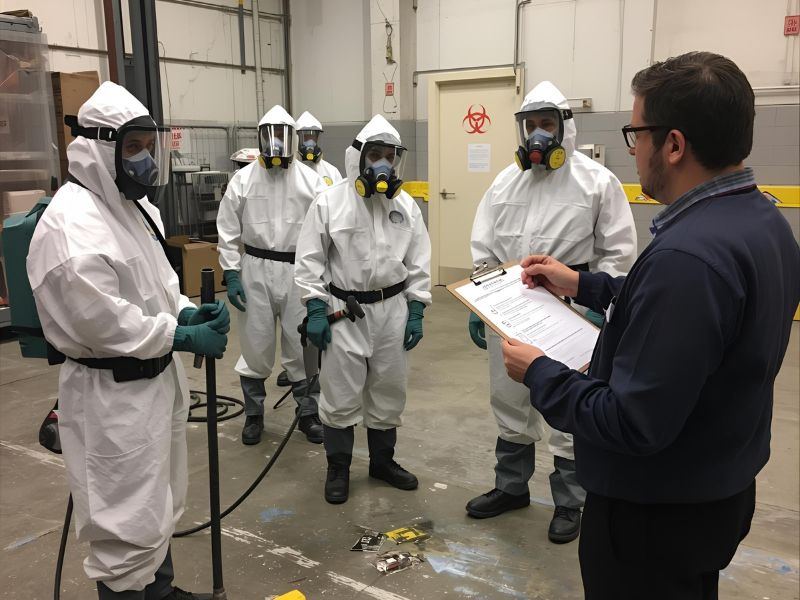
Biohazard and trauma cleaning represents a highly specialised niche requiring specific training and certification. At Biohazard Cleaning Courses, we provide comprehensive training for professionals entering this specialised field, where expertise and certification are essential for both safety and legal compliance.
💰 Turn £20 Into a £3 Million Cleaning Business
Learn biohazard cleaning and earn more from one contract than traditional cleaners make in weeks
✅ 3000+ Certified
🏆 CPD Accredited
📈 Premium Rates
🎯 Face-to-Face & Virtual
Start Biohazard Cleaning Training Course
Join the 1% of cleaners earning specialist rates
Pricing Psychology and Package Development
Pricing strategies significantly impact client acquisition and business profitability. Understanding pricing psychology helps cleaning businesses attract clients whilst maintaining healthy profit margins.
Value-based pricing focuses on client benefits rather than hourly rates. Emphasise time savings, stress reduction, and improved living or working environments rather than just cleaning tasks. Many clients happily pay premium rates when they understand the value delivered.
Package pricing simplifies decision-making for potential clients. Offer clear service packages for different client needs: basic cleaning, deep cleaning, and premium services. Include specific tasks in each package to eliminate confusion and set clear expectations.
Introductory offers attract new clients while establishing service relationships. First-time discounts, trial periods, or money-back guarantees reduce client risk when trying new cleaning services. These offers often convert prospects into long-term clients.
Competitive analysis ensures your pricing remains market-appropriate whilst reflecting your service quality. Regular pricing reviews help identify opportunities for premium positioning or competitive adjustments based on market conditions.
Client Retention and Referral Systems
Retaining existing clients costs significantly less than acquiring new ones whilst providing predictable revenue streams. Consistency is key: clients who receive reliable, high-quality cleaning are far more likely to become long-term, repeat customers.
Quality assurance systems maintain service standards across all clients. Regular quality checks, client feedback surveys, and responsive customer service address issues before they impact client relationships. Investment in ongoing training for your cleaning team maintains service consistency.
Communication strategies keep clients informed and engaged. Regular check-ins, service reminders, and proactive problem-solving demonstrate professional customer service. Many cleaning services lose clients through poor communication rather than service quality issues.
Loyalty programs reward long-term clients and encourage continued service relationships. Offer discounts for annual contracts, complimentary services for loyal clients, or priority scheduling during busy periods. These programs increase client lifetime value whilst reducing client acquisition costs.
Referral systems turn satisfied customers into active business promoters. Formal referral programs with clear incentives generate consistent new client leads. Track referral sources and thank referring clients to maintain these valuable relationships.
Measuring Marketing ROI and Success Metrics
Tracking marketing effectiveness ensures efficient resource allocation and identifies successful client acquisition strategies. Regular measurement and analysis optimise marketing spend whilst improving overall business performance.
Client acquisition cost calculates the total investment required to gain each new client. Include all marketing expenses, time invested, and conversion rates to understand true acquisition costs. This metric guides budget allocation across different marketing channels.
Customer lifetime value measures the total revenue generated from each client relationship. Compare lifetime value to acquisition cost to ensure profitable client relationships. Focus marketing efforts on strategies that attract high-value, long-term clients.
Conversion tracking identifies which marketing channels generate the most valuable clients. Use unique phone numbers, landing pages, or promotional codes to track inquiry sources. This data guides future marketing investment decisions.
Regular reporting reviews marketing performance and guides strategy adjustments. Monthly analysis of lead generation, conversion rates, and client retention identifies trends and opportunities for improvement.
Scaling and Growth Strategies
Successful cleaning businesses eventually face growth decisions requiring strategic planning and resource allocation. Scaling strategies should balance rapid growth with service quality maintenance.
Geographic expansion extends your service area to reach new client markets. Research new areas thoroughly, understanding local competition, demographic profiles, and market demand before committing resources to expansion.
Service diversification adds complementary services to existing client relationships. Window cleaning, carpet cleaning, or gardening services can increase revenue per client whilst strengthening customer relationships.
Team building becomes essential as client demand exceeds personal capacity. Hiring reliable cleaning team members requires systematic recruitment, training, and management processes. Investment in team development maintains service quality during growth periods.
Franchise or partnership opportunities can accelerate growth whilst sharing risks and investment requirements. These arrangements require careful legal and financial planning but can provide rapid market penetration.
Technology adoption streamlines operations and improves customer experience. Scheduling software, mobile payment systems, and customer relationship management tools support business growth whilst maintaining personal service quality.
Business partnerships with other local businesses create mutual referral opportunities and shared marketing costs. Strategic alliances often provide growth opportunities without significant capital investment.
Get Your Free Quote from Biohazard Cleaning Courses
Building a successful cleaning business requires more than just knowing how to clean. At Biohazard Cleaning Courses, we understand the challenges facing cleaning professionals in today's competitive market. Whether you're starting a general cleaning business or considering specialised services, proper training and certification set you apart from competitors.
Our comprehensive training programmes cover essential business skills alongside technical cleaning expertise. We teach proven client acquisition strategies, professional service delivery, and business management techniques that successful cleaning companies use every day.
The cleaning industry offers tremendous opportunities for motivated entrepreneurs willing to invest in proper training and professional development. From residential cleaning services to specialised commercial cleaning contracts, trained professionals command higher rates and build stronger client relationships.
Contact Biohazard Cleaning Courses today for your free consultation. We'll discuss your business goals, assess your training needs, and provide personalised guidance for building a thriving cleaning business. Our experienced team has helped hundreds of cleaning professionals achieve business success through comprehensive training and ongoing support.
Don't let inadequate preparation limit your business potential. Invest in professional training that provides the knowledge, skills, and confidence needed to attract valuable clients and build a sustainable cleaning business. Your success starts with proper preparation and professional development.