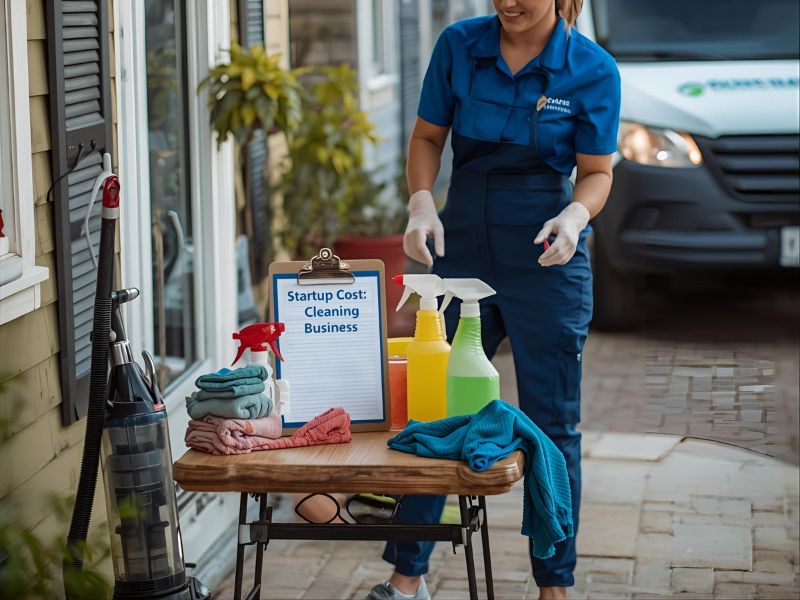
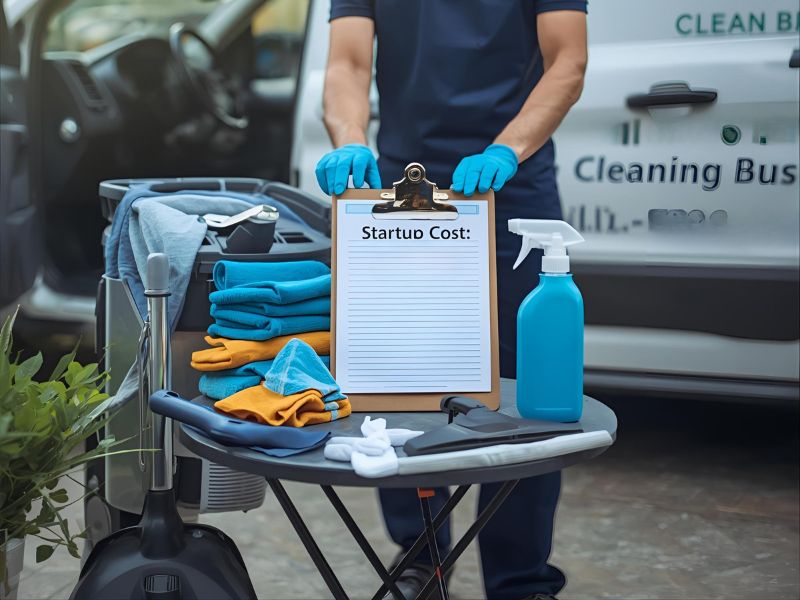
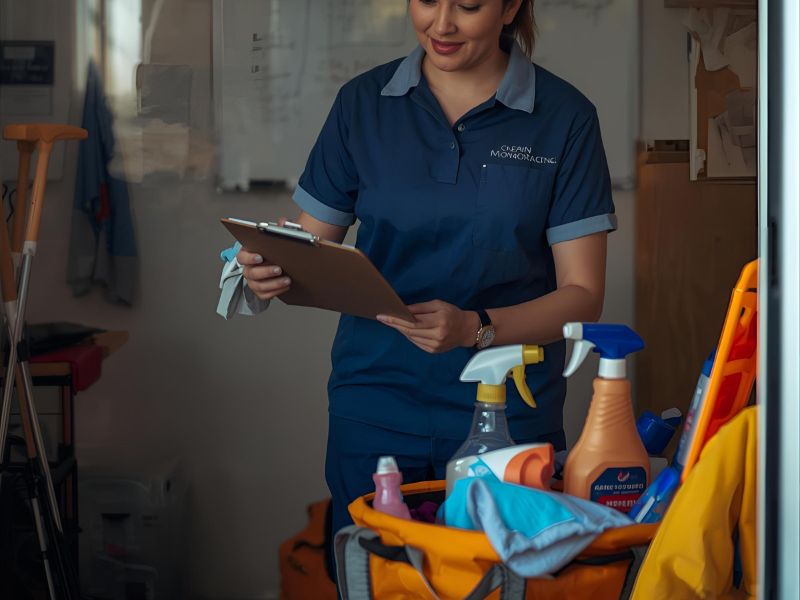
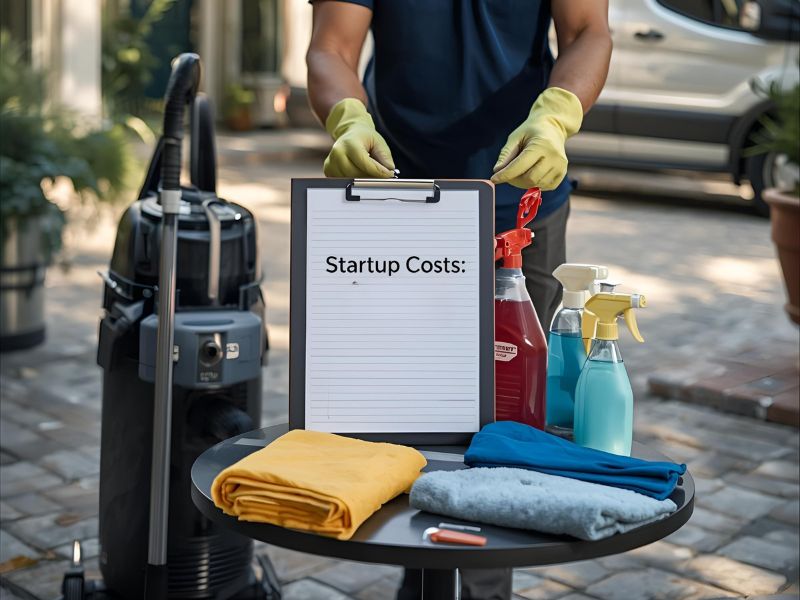
Starting your own cleaning business represents one of the most affordable ways to become your own boss, with many small operators getting started for less than the cost of a used car. The cleaning industry offers low start up costs compared to most business ventures, making it an attractive option for those seeking their own business without massive financial risk. For those researching how to start a cleaning business, the low barrier to entry and flexibility make it a highly accessible option.
Entry-level start up costs can be as low as a few thousand pounds if you already own basic supplies, while more professional setups with branding, uniforms, and insurance may range into a few thousand pounds. Unlike other businesses, a cleaning business doesn't require expensive business premises to launch, with many starting a cleaning business successfully from home.
This cleaning business profitable sector offers recession proof opportunities with minimal investment requirements. The cleaning industry has experienced consistent growth, making starting a cleaning business an increasingly popular choice for entrepreneurs seeking their own cleaning business venture. The recession proof nature of cleaning services ensures steady demand regardless of economic conditions.
Starting a cleaning business requires careful planning of initial cost requirements and understanding typical costs across different service areas. This new business opportunity appeals to many seeking their own boss lifestyle while maintaining low start up costs compared to other businesses.
💼 4 in 5 Cleaners Have No Training
Get certified, get paid more, win better commercial contracts
📊 Stand Out From 80%
💰 Higher Rates
🏆 Better Contracts
📈 Professional Edge
Start Our Commercial Cleaning Courses
Professional training sets you apart
Essential Equipment and Supply Costs
Equipment and specialist equipment usually make up the bulk of initial cost when starting a cleaning business. A basic domestic cleaning setup requires vacuum cleaners ranging from £150-400 for commercial-grade models, mops and buckets (£30-60), microfibre cloths (£25-40 for a starter pack), and cleaning solutions (£50-100 monthly supply).
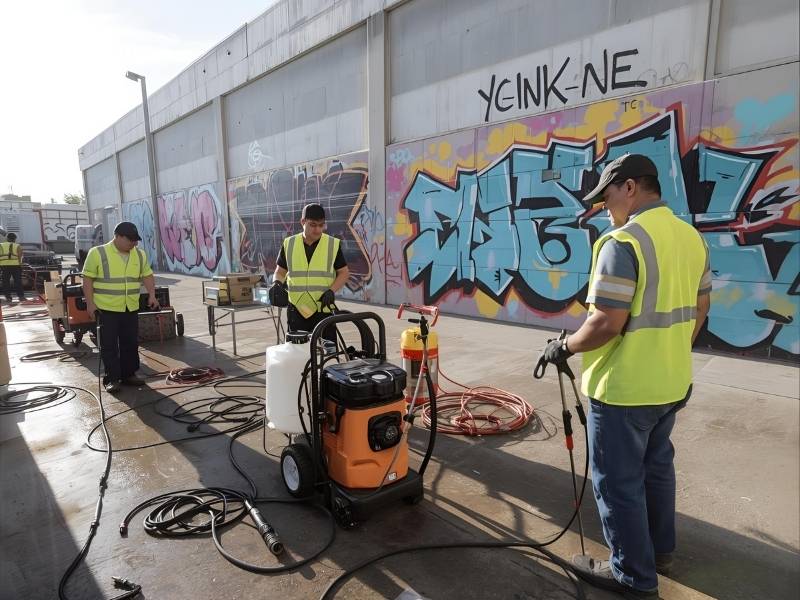
For commercial cleaning operations, costs involved increase significantly. Professional vacuum cleaners cost £300-800, floor cleaning machines range £200-600, and specialist equipment like carpet cleaning machines can cost £1,500-3,000. Window cleaning requires additional tools including ladders (£100-300), squeegees and poles (£80-150), and cleaning supplies (£40-70 monthly).
Specialised cleaning businesses demand higher investments. Oven cleaner services need cleaning chemicals and protective equipment totaling £400-700. Carpet cleaning operations require extraction machines costing £2,000-5,000, while end-of-tenancy specialised cleaning needs comprehensive supply kits worth £300-500.
The cleaning products budget will vary depending on service type. Domestic cleaning typically costs £60-120 monthly for cleaning supplies, while commercial cleaning can reach £200-400 monthly depending on client volume. Eco-friendly cleaning solutions cost 20-30% more but appeal to environmentally conscious customers in the local community. These cleaning chemicals require careful storage and handling, with use by dates requiring regular inventory rotation. Use by dates on cleaning products must be monitored to ensure effectiveness and safety compliance.
Insurance Requirements and Costs
Insurance represents one of the bigger upfront investments but makes your cleaning business appear more professional and trustworthy to potential new clients. For those asking what insurance do I need to clean houses, public liability insurance, essential for any cleaning business in the UK, costs £150-400 annually for coverage between £1-6 million, protecting against claims from accidents on cleaning surfaces.
Professional indemnity insurance, protecting against claims of inadequate work, ranges £180-350 yearly for small cleaning operations. For businesses hiring staff, employer's liability insurance becomes mandatory, adding £120-280 annually to insurance costs.
Vehicle insurance for business use typically increases standard premiums by 15-25%, adding £200-500 yearly depending on vehicle type and coverage level. Many cleaning companies operate multiple vehicles, multiplying these costs accordingly as the business grows.
Business insurance packages combining multiple coverages often provide better value, with comprehensive protection costing £400-800 annually for small to medium operations. This investment significantly enhances credibility with commercial clients and protects personal assets from potential claims.
Vehicle and Transportation Expenses
A reliable vehicle represents one of the largest single business expenses for cleaning businesses expanding beyond local areas. Many entrepreneurs start with their family car, but growth often necessitates dedicated business vehicles as the business grows.
Small vans suitable for cleaning businesses cost £8,000-15,000 for decent used models, while new vans range £18,000-30,000. Larger operations requiring multiple vehicles face proportionally higher overhead costs. Vehicle maintenance, insurance, and fuel typically add £2,000-4,000 annually per vehicle to running costs.
Fuel expenses will vary depending on the service area. Local domestic cleaning might cost £30-60 weekly in fuel, while commercial cleaning covering wider areas can reach £100-200 weekly. These overhead costs must be factored into pricing strategies to maintain healthy profit margins.
Vehicle signage and branding, while optional, provide excellent mobile advertising to the local community. Professional vehicle wraps cost £800-2,000 but generate constant exposure, often proving cost-effective for customer acquisition and reaching the target market effectively.
Domestic Cleaning Business Costs
Domestic cleaning offers the lowest barrier to entry in the cleaning industry. Basic start up costs range £400-1,200 for a one-person operation, including essential supplies, basic insurance, and minimal marketing materials representing minimal investment compared to other businesses.
A typical domestic cleaning business requires vacuum cleaners (£200-400), cleaning products (£100-200 initial stock), protective equipment like rubber gloves and shoe covers (£30-50), and uniforms (£60-120). Marketing through local advertising can be kept low-cost initially.
The quick start up nature of domestic cleaning appeals to many entrepreneurs seeking their own boss status. Unlike other businesses requiring extensive planning, domestic cleaning can launch within weeks of initial investment. However, growth requires systematic reinvestment in equipment, insurance, and marketing.
Domestic cleaning typically achieves high customer retention rates, providing regular income once established. This specialist cleaning service proves recession proof, ensuring consistent demand even during economic downturns, making the cleaning business profitable long-term for any business owner.
Residential cleaning services within domestic cleaning often focus on weekly or fortnightly visits, creating predictable income streams. Many domestic cleaning businesses expand into residential cleaning for larger properties or one-off deep cleaning services. These residential cleaning opportunities often command higher rates than standard domestic cleaning.
Commercial Cleaning Investment Requirements
Commercial cleaning demands higher initial investment but offers greater income potential, making it an important consideration when learning how to start a commercial cleaning business. Start up costs typically range £2,000-8,000, reflecting the need for professional-grade equipment and comprehensive insurance coverage for businesses in the UK.
Equipment costs include industrial vacuum cleaners (£400-800), floor cleaning machines (£300-700), and larger cleaning supplies inventory (£200-400). Commercial cleaning clients expect professional presentation, requiring uniforms, vehicle branding, and comprehensive insurance documentation.
The costs involved in commercial cleaning include higher insurance costs due to increased liability exposure. Public liability coverage often needs increasing to £2-5 million, while professional indemnity insurance becomes more critical given contract values and work in public spaces.
Commercial cleaning services often require specific certifications or additional training, potentially adding training costs to initial cost. However, contract values and profit margins typically justify these additional expenses when serving shopping centres and large facilities.
Cleaning services for offices, retail outlets, and shopping centres represent lucrative opportunities within commercial cleaning. These cleaning services often involve unsociable hours but command premium rates, contributing to the cleaning business profitable potential. Many commercial cleaning contracts involve unsociable hours during evenings or weekends to avoid disrupting business operations.
Specialised Cleaning Services Investment
Carpet cleaning represents a significant investment requiring specialist equipment. Professional extraction machines cost £2,000-5,000, while truck-mounted systems reach £15,000-30,000. However, carpet cleaning commands premium pricing, often justifying higher start up costs for this specialist cleaning service.
Window cleaning requires modest initial investment, typically £300-800 for equipment including ladders, poles, and cleaning solutions. The relatively low start up costs make window cleaning popular among new business owners, though competition can be intense in the local community.
End-of-tenancy cleaning demands comprehensive equipment sets costing £800-1,500. This specialised cleaning focuses on property transitions, requiring deep cleaning capabilities and often involves work unsociable hours to meet tight deadlines. Deep cleaning services command premium rates compared to standard domestic cleaning.
Oven cleaner services need cleaning chemicals and protective equipment. While typical costs remain moderate at £400-700, the specialist nature allows premium pricing and reduced competition from other businesses. Oven cleaner specialists often expand into broader specialised cleaning businesses.
Car washing operations represent another specialised cleaning opportunity, requiring different equipment and potentially different legal requirements depending on environmental regulations. These car washing services can complement traditional cleaning services and provide additional revenue streams.
🔥 Launch Your Oven Cleaning Business
Comprehensive training for a profitable specialist service
🎯 Specialist Service
💼 Business Launch
🏆 Professional Training
💰 High Margins
Start Our Oven Cleaning Training Course
Turn appliance cleaning into profit
Cleaning Franchise Opportunities
Cleaning franchise options provide structured business models with proven systems but require higher initial investment. Franchise fees typically range £8,000-25,000, plus ongoing royalty payments of 5-10% of revenue, significantly more than starting an independent new business.
Franchise benefits include established branding, training programs, and marketing support that can help hire employees and establish operations quickly. However, the additional costs must be weighed against the support provided and territorial restrictions often imposed.
Many cleaning franchise operations focus on commercial clients, requiring higher start up costs but offering greater income potential. The cleaning franchise model can accelerate business growth but limits operational flexibility for the business owner.
Independent cleaning businesses offer greater flexibility and higher profit margins, though require more money invested in personal effort for marketing and business development. Cleaning franchise opportunities span various specialised cleaning sectors, from residential cleaning to commercial operations.
Successful cleaning franchise owners often expand by opening additional territories or hiring staff to increase capacity and more money generation potential. These cleaning franchise operations typically provide comprehensive training, making them attractive to new business owners lacking experience.
The cleaning franchise sector includes domestic cleaning franchises, commercial cleaning franchises, and specialist service franchises, each offering different investment levels and profit margins for the aspiring business owner.
Legal Structure and Registration Costs
Business structure decisions impact both start up costs and ongoing expenses. Sole trader registration through HMRC costs nothing but offers limited protection for personal assets. Many cleaning businesses start as sole traders due to simplicity and low costs.
Limited company formation costs £12 through Companies House or £100-300 through professional services. Limited companies provide liability protection and tax advantages but require additional administrative obligations and costs, affecting businesses in the UK differently than sole trader structures.
Professional services for business setup, including accounting and legal advice, typically cost £200-800 initially. While not mandatory, professional guidance helps avoid costly mistakes and ensures proper compliance with legal requirements and national insurance obligations.
Business bank accounts often carry monthly fees of £5-20, while business insurance, licenses, and registrations add ongoing expenses. National insurance contributions vary by business structure and income levels, representing important legal requirements for operation. National insurance rates affect both sole traders and limited company directors differently. National insurance planning forms part of proper business in the UK compliance.
Legal requirements for cleaning businesses include proper insurance coverage, health and safety compliance, and appropriate business registration. These legal requirements ensure professional operation and protect both business owners and clients.
Marketing and Customer Acquisition Costs
Marketing costs prove surprisingly flexible for cleaning businesses and are a key factor in how to get clients for a cleaning business. Many successful operations build initial client bases through free or low-cost methods including social media, local advertising, and word-of-mouth referrals from satisfied customers.
Basic marketing materials including business cards, flyers with the business name, and simple websites cost £200-600 initially. More sophisticated marketing approaches involving professional websites, Google Ads, and vehicle signage can reach £1,000-3,000 but often generate faster client acquisition.
Local advertising through newspapers, community boards, and door-to-door flyers typically costs £50-200 monthly. Social media marketing requires time investment but minimal financial outlay, making it attractive for new businesses with limited budgets.
Vehicle signage represents excellent value mobile advertising reaching the target market continuously. Professional graphics cost £300-1,500 but provide constant local community exposure, often generating inquiries and enhancing business credibility.
📱 1.58 Billion TikTok Users
Revolutionary social media marketing with massive UK SME contribution
👥 1.58B Users
🇬🇧 UK SME Success
📈 Revolutionary Marketing
🎯 Target Audience
Start Our TikTok Marketing Course
Harness social media's biggest platform
Total Investment by Business Type
Micro domestic cleaning operations can launch for £400-800, including basic supplies, insurance, and minimal marketing. This represents one of the lowest business start up costs across all industries, offering true minimal investment opportunities.
Small commercial cleaning businesses typically require £2,000-5,000 initial investment, reflecting higher equipment standards and insurance requirements. The increased investment usually generates correspondingly higher revenues and allows for high quality service delivery.
Medium-scale operations serving multiple commercial clients often need £5,000-12,000 start up capital. This covers professional equipment, comprehensive insurance, vehicle costs, and marketing materials needed for business growth and to hire employees.
Large cleaning companies or those offering specialised cleaning services may require £15,000-30,000 initial investment. However, these businesses typically achieve higher profit margins and can hire employees to expand capacity significantly.
The cleaning sector offers very quick break-even points compared to other businesses. Many start-ups recover their initial investment within the first few months of trading, particularly given the high demand for quality cleaning services across all sectors.
Ongoing Operational Expenses
Running costs for cleaning businesses remain relatively low compared to other businesses. Monthly expenses typically include cleaning supplies (£100-400), fuel (£120-500), insurance premiums (£30-80), and vehicle maintenance (£50-200), with cleaning chemicals representing ongoing requirements.
Supply costs will vary depending on business size and service type. Domestic cleaning operations might spend £100-200 monthly, while larger commercial operations can reach £400-800 monthly on cleaning products and equipment maintenance, with use by dates requiring regular replacement.
Cleaning staff costs become significant as businesses grow. Hiring staff requires additional insurance, national insurance contributions, and wage expenses. However, expansion through employees allows business owners to increase capacity and revenue while working fewer unsociable hours.
Equipment replacement and maintenance represent ongoing expenses often overlooked by new business owners. Professional equipment typically lasts 3-5 years with proper maintenance, requiring periodic replacement budgeting and attention to cleaning surfaces and cleaning supplies quality.
Scaling and Growth Opportunities
As the business grows, opportunities for expansion include hiring staff to increase capacity and serve more clients. Many successful cleaning businesses begin with the owner working alone but hire employees as demand increases, creating more money earning potential.
The high demand for cleaning services supports business growth across residential cleaning, commercial cleaning, and specialist services. This high demand ensures recession proof income potential for well-managed operations. High demand creates opportunities for multiple revenue streams.
Professional cleaning businesses often diversify into multiple service areas, combining domestic cleaning with commercial cleaning or adding specialist cleaning service options. This diversification spreads risk and maximizes revenue potential from the target market.
Successful business owners often reinvest profits into better equipment, vehicle upgrades, and staff training to maintain high quality service standards. This reinvestment cycle supports sustainable growth and competitive advantage in the local community.
Many cleaning businesses achieve high customer retention through consistent high quality service delivery, reducing marketing costs and ensuring predictable revenue streams. More money can be invested in expansion when customer retention rates remain high.
Getting Started with Professional Training
Professional training enhances service quality and business credibility. While not mandatory for basic cleaning services, specialized training can differentiate your business and justify premium pricing for high quality service delivery.
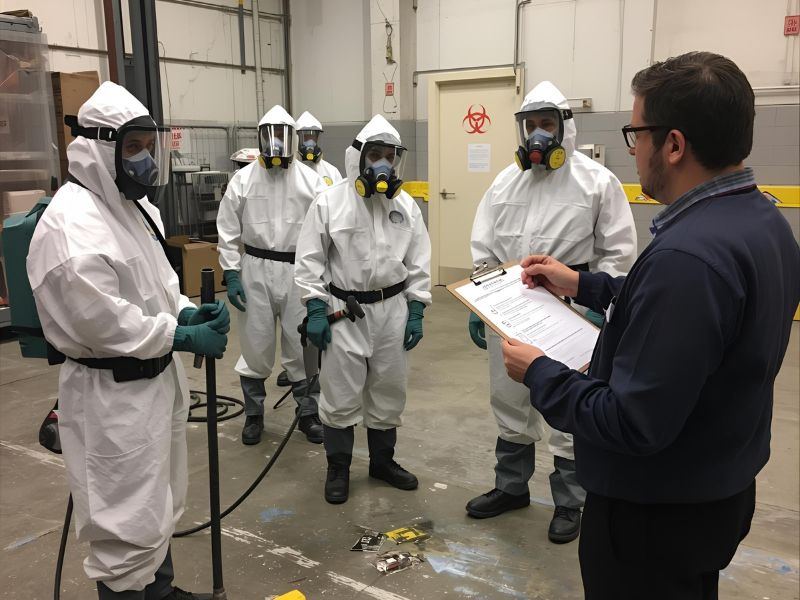
Training costs vary significantly by specialization. Basic cleaning courses cost £100-300, while specialized certifications for carpet cleaning, restoration, or hazardous material handling can reach £500-1,500, representing additional training investment.
The investment in training often pays for itself through higher pricing and improved customer confidence. Certified businesses typically command 15-25% premium pricing over untrained competitors and can better serve demanding clients seeking high quality service.
For those seeking comprehensive business training and certification, Biohazard Cleaning Courses offers specialized programs designed to elevate your cleaning business to professional standards. Contact us today for a free quote on training programs that will set your business apart in the competitive cleaning industry.
The cleaning industry offers unlimited income potential for motivated entrepreneurs. Starting with minimal investment, successful businesses can scale gradually by reinvesting profits into cleaning staff, equipment, and market expansion. The combination of low start up costs, recession proof demand, and scalability makes cleaning one of the most accessible business opportunities available.